
What a GC Needs From a Roofing Sub on This Coast
A general contractor running a project in Gulfport or Biloxi doesn't need a roofer who has to be walked through wind uplift requirements for a coastal build. Late submittals, a crew that doesn't show on the day promised, or a roof detail that doesn't match the rest of the building envelope all become the GC's problem at the next progress meeting, regardless of whose scope it technically falls under.
Reading a Spec the Way It's Written
Roofing sections in a commercial spec book usually carry more coastal-specific language than an inland project would, covering wind uplift ratings, fastening patterns, and sometimes hurricane-clip or tie-down requirements tied to the local building code. We read those sections the way they're written rather than substituting a standard assembly and hoping it passes inspection, because a rejected submittal costs the GC time on the schedule that's hard to make up later.
When a spec is ambiguous or conflicts with what's practical on a given roof deck, we flag it to the GC's project manager early instead of making a field decision that shows up as a change order surprise at closeout. A submittal package that's clean the first time through keeps the whole sequence moving. Material lead times for coastal-rated fastening systems and certain single-ply membranes have stretched longer than they used to, and we build that lead time into the submittal timeline rather than letting it surface as a delay after the order is already placed.
Tying Into Other Trades
Roofing on new construction and major renovation projects doesn't happen in isolation. Sheet metal, mechanical curbs, fire suppression penetrations, and the building's exterior envelope all meet at the roofline, and a roofing crew that isn't coordinating with the mechanical and sheet metal subs creates conflicts that show up as leaks months after the building opens.
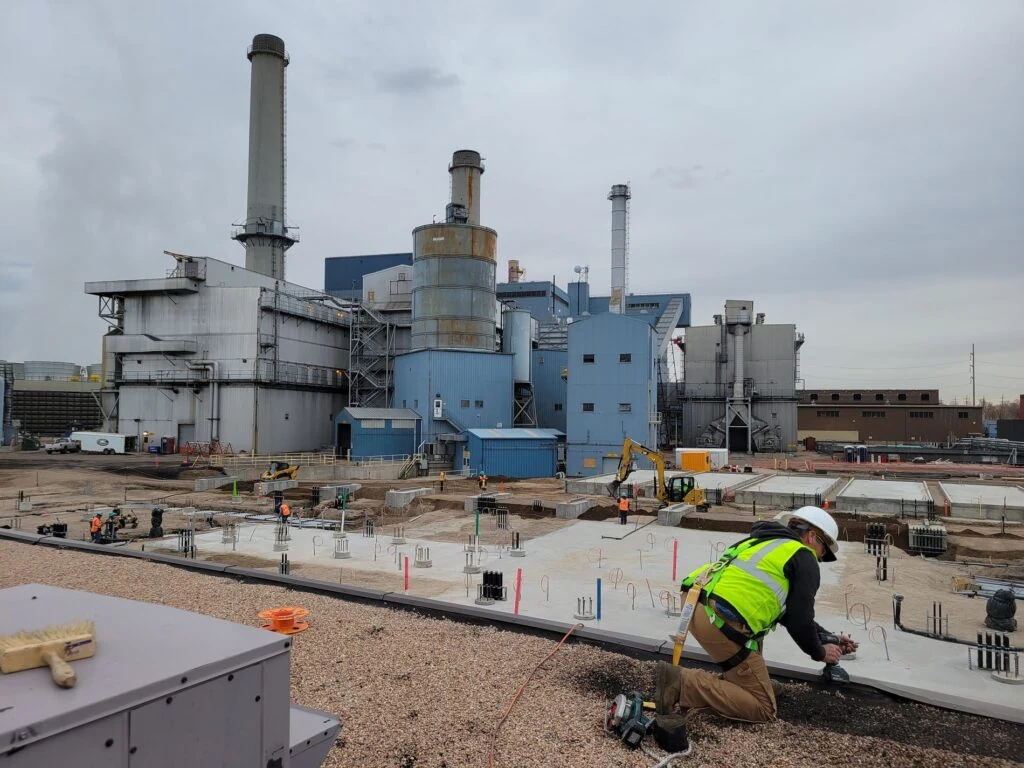
We show up to the trade coordination meetings that matter, particularly the ones covering rooftop mechanical placement and curb sizing, because a curb ordered to the wrong dimension or set before the roofing sequence is ready turns into rework that eats everyone's schedule float. On renovation work, we also flag deck condition issues to the GC as soon as demo exposes them, since a soft or corroded deck section discovered mid-project changes both the roofing scope and the schedule for every trade sequenced behind it.
Working the GC's Schedule
A GC's schedule has a critical path, and roofing sits on it more often than owners realize, since the building can't get its temporary or permanent certificate of occupancy without a completed, inspected roof. We plan crew size and material staging around the milestones that matter to the GC's schedule, whether that's a dry-in date ahead of interior finishes or a final completion date tied to a tenant move-in.
Weather delays are part of building on the Gulf Coast, and we communicate schedule impact as soon as we see it coming rather than after the float is already gone. A GC planning around a hard delivery date needs that information early enough to adjust other trades, not as a surprise at the two-week look-ahead meeting.
- Wind uplift and fastening submittals matched to the coastal wind zone
- Curb and penetration coordination with mechanical and sheet metal trades
- Dry-in milestones tracked against the GC's interior trade start dates
- Warranty documentation packages ready for closeout without a chase
- Change order pricing turned around fast enough to keep decisions moving
Closeout Without a Chase
Warranty documentation, as-built details, and manufacturer registration paperwork are the parts of a roofing subcontract that tend to slip once the crew has moved to the next job. We put that closeout package together as part of the job, not as a follow-up call three months after substantial completion, because a GC chasing a sub for warranty paperwork on one trade reflects on the whole project.
Post-Katrina rebuilding and the ongoing wave of coastal renovation work have made a lot of GCs on this coast particular about which subs they'll bring back. A clean closeout on the first job is usually what decides whether we get called for the next one.
Bidding and Pre-Construction
We'll walk a roof or review drawings during pre-construction when a GC wants roofing input before the bid goes out, particularly on renovation work where the existing deck condition affects what assembly makes sense. Catching a deck problem during pre-construction instead of after demo starts saves both sides a change order fight later.
For design-build or negotiated work, we can price alternate systems side by side so the GC has real numbers to bring to the owner, rather than a single option with no comparison.
Questions GC Project Managers Ask Us
Can you turn around a roofing submittal fast enough to keep our schedule moving?
Yes, and we flag any spec conflicts before submitting rather than after a rejection costs the schedule a review cycle.
How do you coordinate curb sizing with our mechanical sub?
We attend the trade coordination meetings where curb dimensions and placement get set, so the roofing sequence and the mechanical rough-in aren't working from different information.
What happens if weather pushes our dry-in date?
We tell you as soon as we see the delay coming, with an updated estimate, so you can adjust downstream trades before the float disappears.
Do you handle warranty registration and closeout paperwork?
Yes, as part of the job. It's ready at substantial completion rather than something we chase down after the fact.
Will you price alternate roof systems during pre-construction?
We can, particularly on renovation work where existing deck conditions affect which systems are realistic, so the owner sees real comparative numbers before committing.