Roofs Over the Big-Box Retail Corridors Off Highway 49
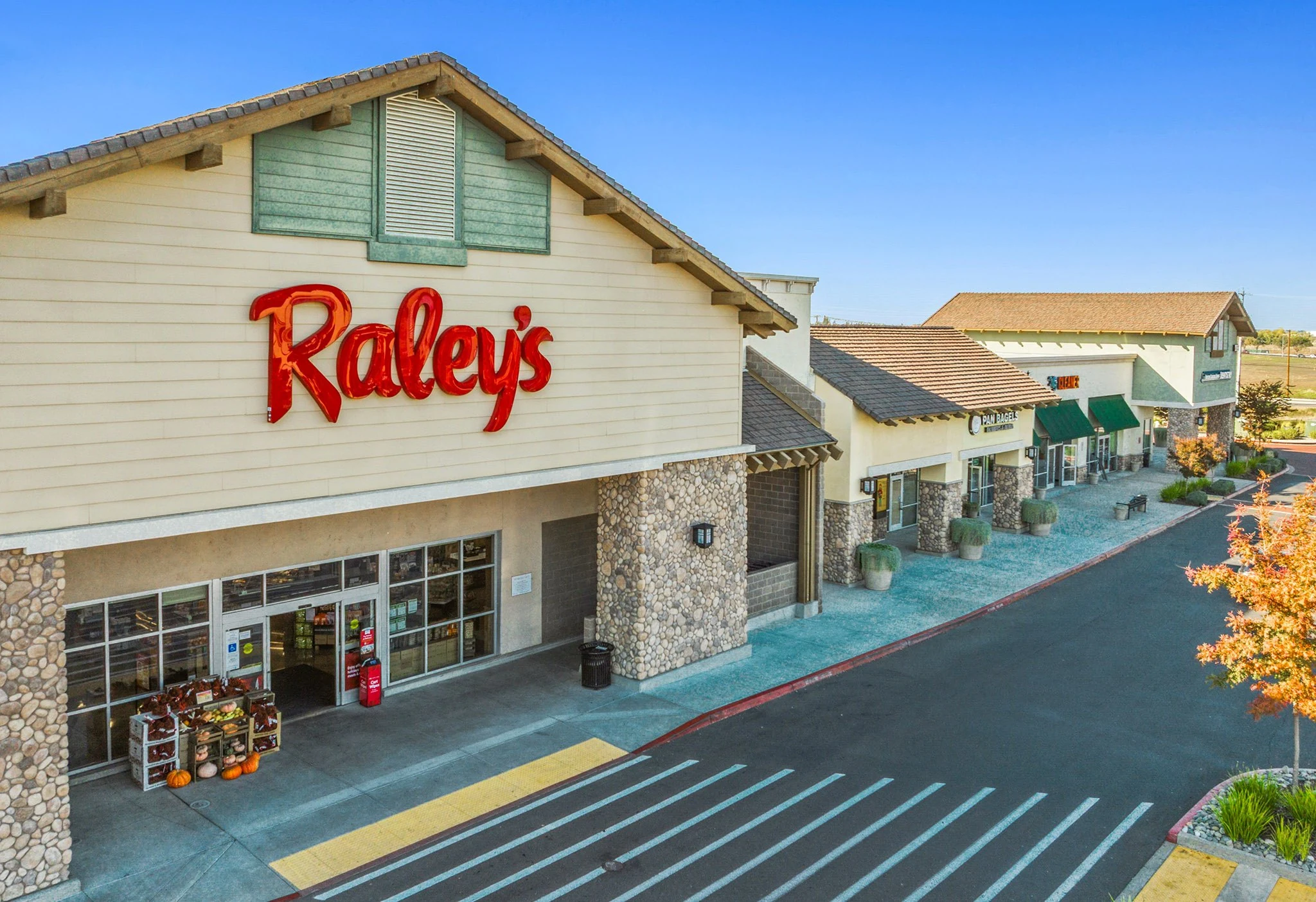
The retail corridor running through Orange Grove along Highway 49 and the shopping district around D'Iberville carries a wide inventory of big-box buildings, many built in the same era with the same aging built-up or ballasted roof systems now well past their intended service life. That vintage matters more than most retail operators realize until a leak shows up over the sales floor.
What's Actually Failing on Older Big-Box Roofs
A lot of big-box retail buildings on this corridor were built with built-up roofing or early single-ply systems that have since aged into the range where seam failure and membrane brittleness become routine rather than occasional. A roof at this stage isn't a maintenance problem anymore, it's a countdown to a larger failure, and the question for ownership is whether to keep patching or move to a planned retrofit before an emergency forces the decision.
We give retail owners a straight answer on where a roof sits in that lifecycle, including whether continued patch-and-repair spending still makes financial sense or whether that money is better redirected toward a retrofit that resets the clock.
Sales Floor Exposure During a Retrofit
A retail building's biggest asset is open, uninterrupted sales floor space, and a roof project that drips water onto merchandise or forces store sections closed for repair directly cuts into revenue the same way a hotel or restaurant feels it. A retrofit over an occupied big-box store has to move section by section with the store's layout in mind, not run as a single open tear-off across the whole roof.
We plan retrofit sequencing around merchandising zones and stockroom layout so the store can keep operating through the project, closing off individual departments only when the roof directly above them is actively open.
Recover Versus Full Tear-Off on an Aging Roof
Not every aging big-box roof needs a full tear-off. In a lot of cases, a recover system installed over sound insulation and deck can extend service life at meaningfully lower cost than a full replacement, provided the existing roof structure can support the added weight and isn't holding trapped moisture. That distinction has to be made with real moisture scanning, not a guess based on the roof's age alone.
We scan for trapped moisture before recommending recover versus tear-off, since installing a recover system over a wet substrate just locks the problem under a new membrane instead of solving it.
What a Big-Box Retrofit Scope Includes
- Moisture scan of the existing roof assembly before recover-versus-replace is decided
- Section-by-section sequencing aligned with store departments and stockroom layout
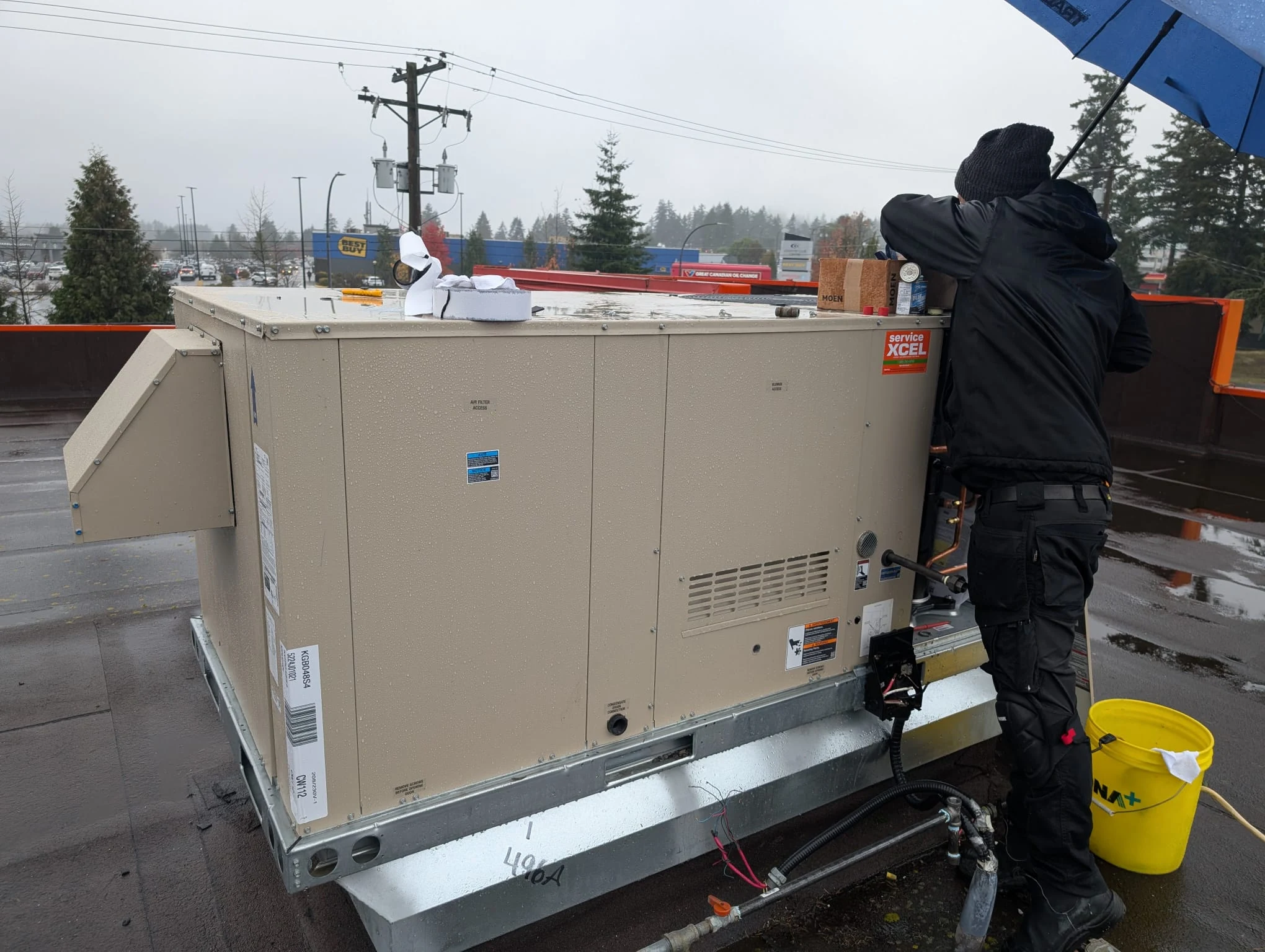
- Skylight and HVAC curb flashing replacement, common failure points on aging big-box roofs
- Wind-uplift fastening upgraded to current code for the site's wind zone
- Interior ceiling and merchandise protection protocol during active tear-off
- Drain and scupper capacity check against the building's real slope after decades of settling
Storm Readiness for Large Flat Retail Roofs
A big-box roof's size works against it in a hurricane the same way it does on a warehouse: more field area exposed to uplift, more distance for water to travel to a drain. Owners running multiple locations on this coast tend to prioritize whichever store has the oldest roof system for pre-season attention first, and that's the right instinct, since an aging membrane is the one most likely to fail under storm-force wind.
Common Roof Types Found on This Retail Corridor
Walking the roofs along this stretch of Highway 49 turns up a mix of built-up gravel roofs from the original construction era, ballasted single-ply systems installed in a later renovation wave, and in a handful of newer builds, fully adhered TPO. Each system ages differently and needs a different repair approach, so treating every big-box roof on this corridor as the same system type leads to the wrong maintenance plan.
We identify the actual system in place before proposing any repair or retrofit scope, since a fix that works on a ballasted single-ply roof can be the wrong approach entirely on an older built-up gravel system, and vice versa.
Parking Lot Lighting and Rooftop Access
Big-box buildings on this corridor typically share large parking fields with pole lighting, cart corrals, and outparcel pad sites that affect how equipment can stage for a roof project. Crane placement and material lift access have to account for what's already occupying the lot, particularly during busy retail seasons when parking demand is highest.
We plan staging around actual lot usage rather than assuming an empty parking field, coordinating with store management on which areas can be closed off temporarily without cutting into customer parking capacity during peak hours.
Common Questions From Retail Ownership and Property Managers
Should an aging big-box roof be recovered or fully replaced?
It depends on whether the existing assembly is holding trapped moisture. A dry, structurally sound roof can often support a recover system at lower cost; a wet one needs tear-off regardless of age.
Can a retrofit happen while the store stays open?
Yes, in most cases, by sequencing the work section by section aligned with the store's own department layout and closing only the areas directly under active work.
What's the biggest risk with older built-up roofs on retail buildings?
Seam failure and membrane brittleness that develop gradually and then fail suddenly, often during a storm event rather than showing clear warning signs beforehand.
How often should big-box roofs be inspected?
At least twice a year on aging systems, once before hurricane season and once after, given how quickly a worn membrane can go from stable to failing.
Do skylights need special attention on retail roofs?
Yes. Skylight flashing on big-box buildings is a frequent leak source and often ages faster than the field membrane around it.