Silicone Coatings for Roofs That Hold Water Longer Than They Should
A lot of aging commercial roofs on the coast don't need replacement, they need their remaining service life extended before a tear-off makes financial sense, and silicone coating is often the right tool for that job specifically because of how it handles standing water. Where acrylic coatings soften and lose adhesion under prolonged ponding, silicone stays intact, which matters on flatter Gulfport roofs where drainage was never quite enough even before the membrane started aging.
Why Ponding-Water Resistance Is the Deciding Factor Here
Silicone coating's defining advantage over other coating chemistries is its resistance to degradation from standing water. On a coast that gets frequent, heavy tropical rain and has plenty of low-slope roofs with less-than-ideal drainage, ponding after a storm isn't rare, it's routine on certain roof sections until the next dry stretch evaporates it. Acrylic coatings can soften, blister, or lose adhesion under that kind of repeated exposure. Silicone doesn't have that vulnerability, which is why we default to it over acrylic on roofs with known low spots.
That doesn't mean silicone coating fixes a drainage problem. It means the coating itself won't fail from the water sitting there while we also address the actual slope or drain-capacity issue causing the ponding in the first place.
How Silicone Coating Extends an Aging Membrane's Life
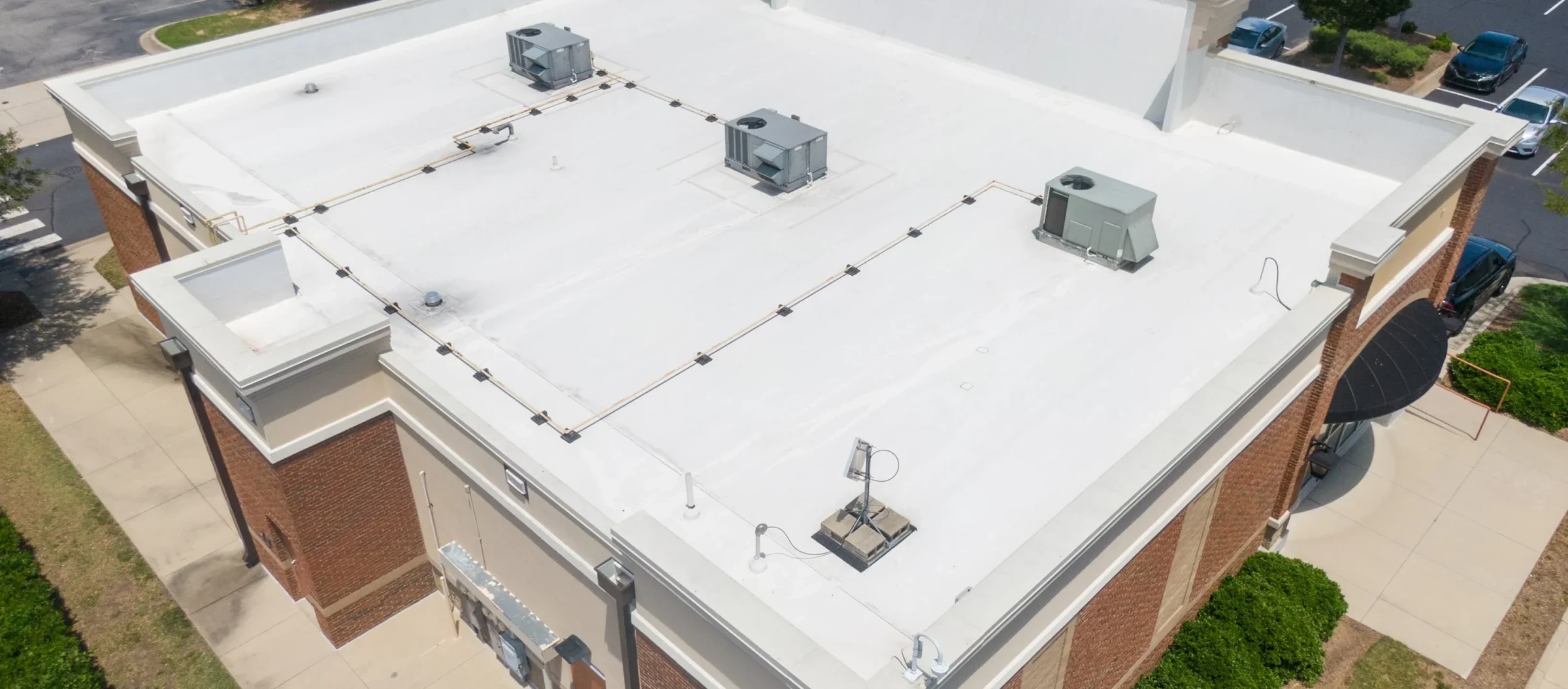
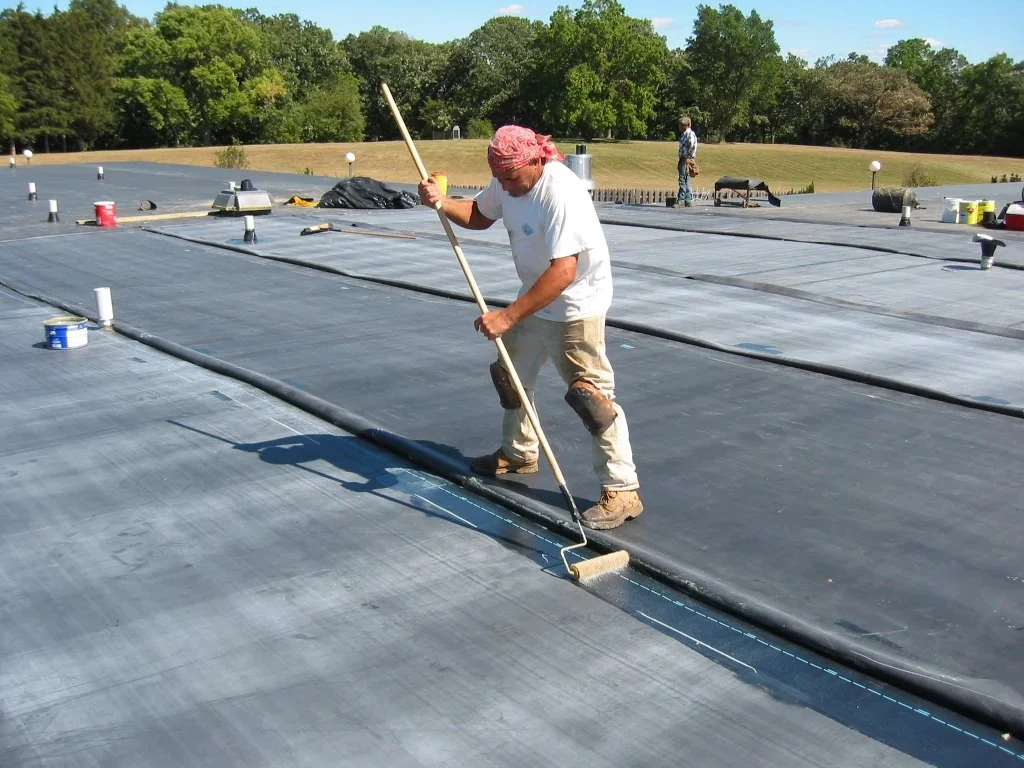
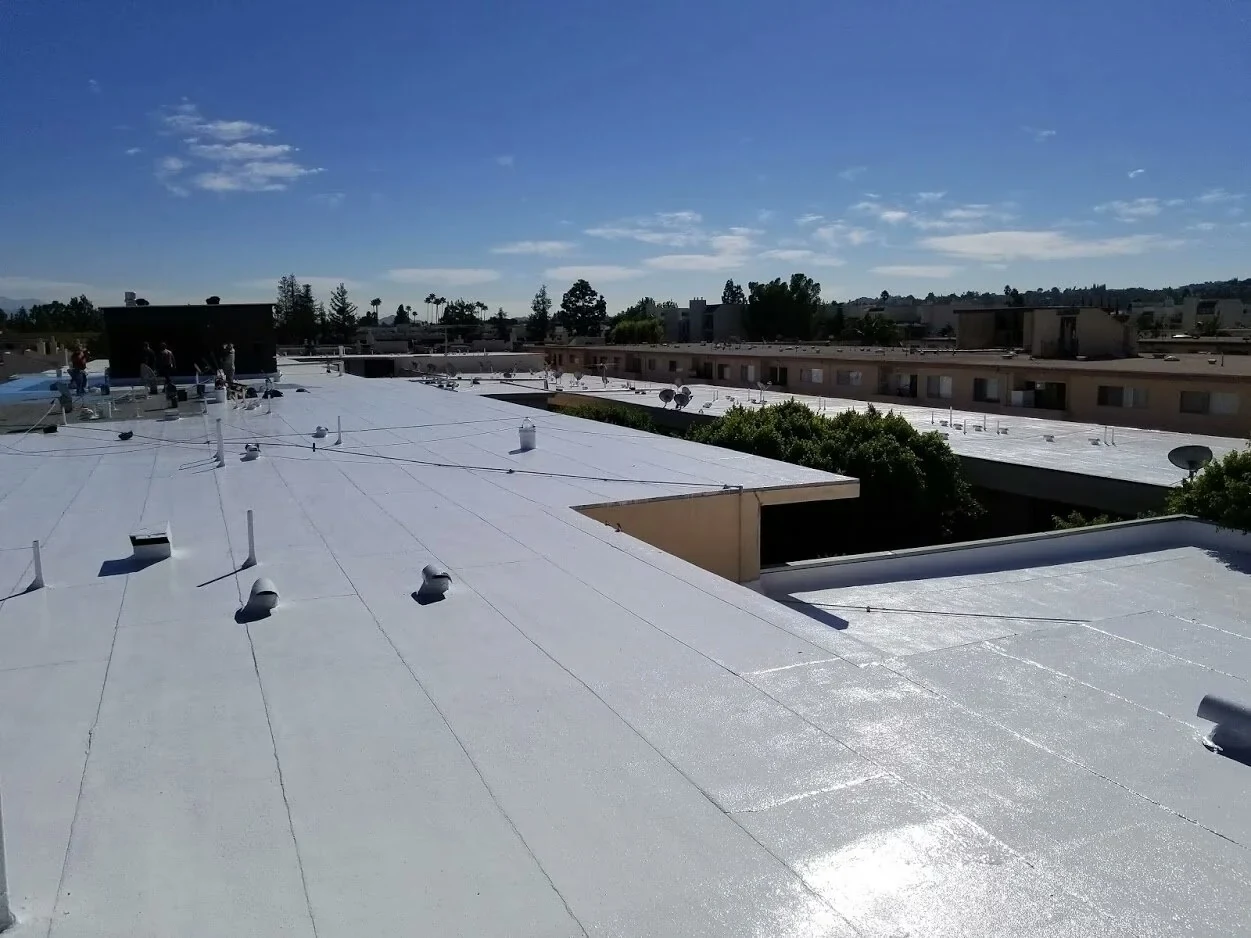
Silicone coating is applied directly over an existing, structurally sound membrane, TPO, EPDM, modified bitumen, or metal, creating a new weatherproof, UV-resistant surface without tearing off the existing roof. For an owner facing a membrane that's aged past its warranty but still structurally intact, coating can add a decade or more of service life at a fraction of full replacement cost, provided the existing substrate is dry and free of significant membrane failure underneath.
We inspect the existing roof thoroughly before recommending coating over replacement, coating a membrane that's already retaining moisture underneath just delays a bigger problem rather than solving it.
UV Stability and Reflectivity on the Gulf Coast
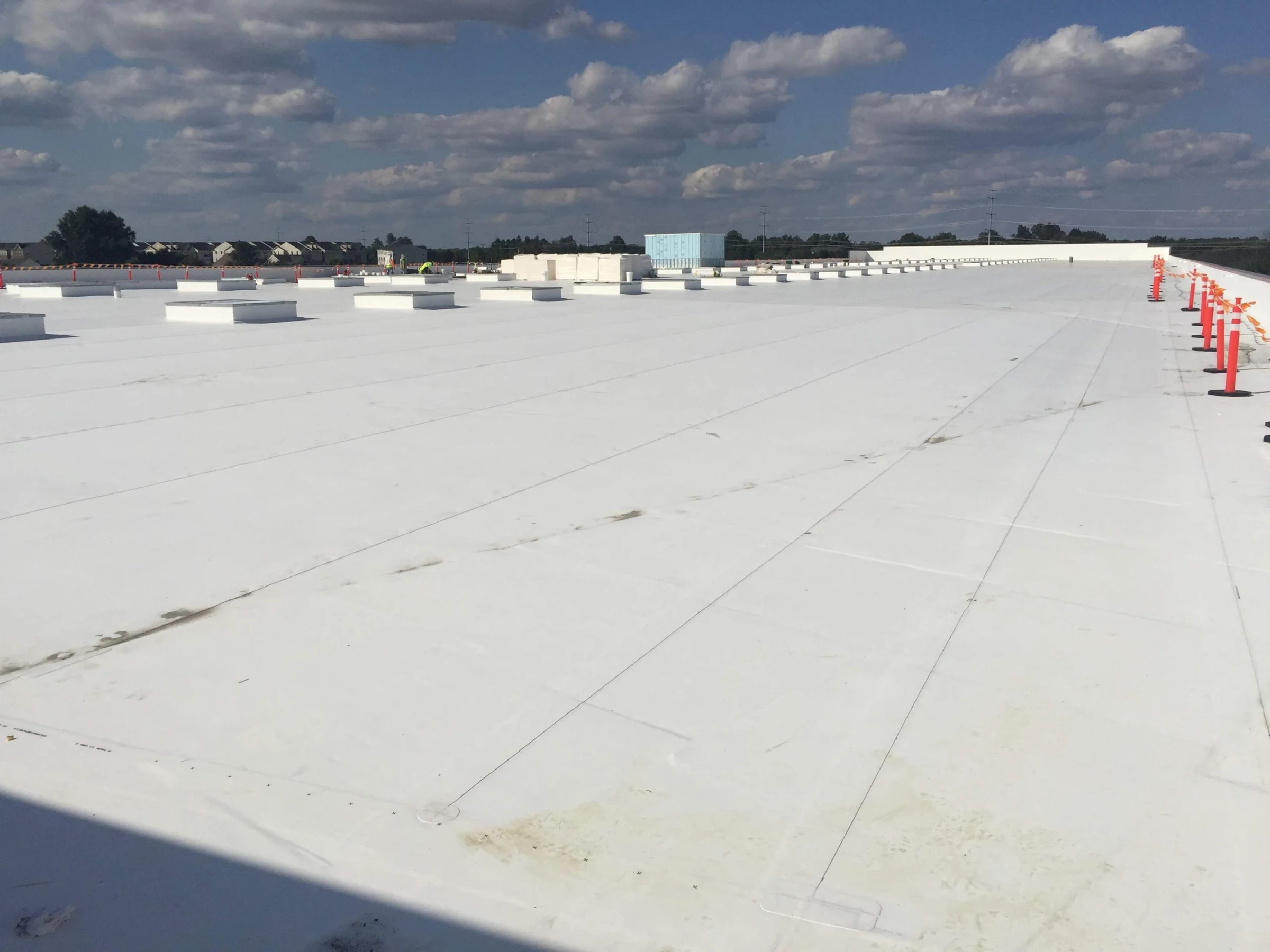
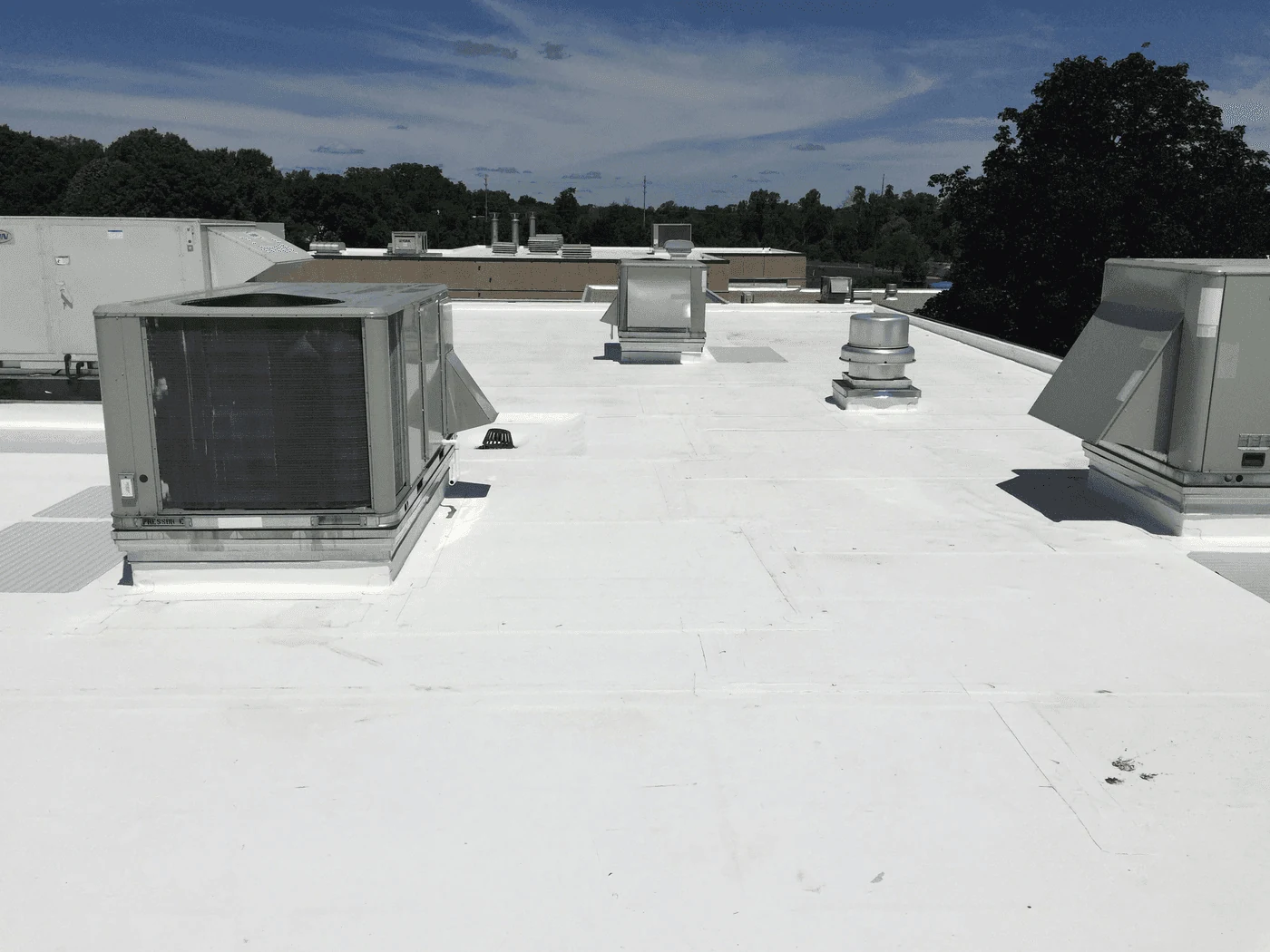
Silicone coating holds its reflective properties and UV resistance better over time than most acrylic formulations, which matters given how much direct sun a flat Gulf Coast roof absorbs across a long, intense summer season. A reflective silicone surface reduces rooftop surface temperature, which lowers thermal cycling stress on the substrate underneath and can reduce cooling demand for the building below, depending on insulation and HVAC configuration.
The tradeoff with silicone is that it collects dirt more readily than some other coatings and can become slippery when wet, so we factor rooftop foot-traffic patterns into the recommendation and specify appropriate texture or walkway treatment where needed.
Where Silicone Coating Makes the Most Sense
We recommend silicone coating in specific scenarios rather than as a universal fix:
- Existing membranes that are structurally sound but aging past their reflective or waterproofing prime
- Roof sections with known ponding water that has caused acrylic or other coatings to fail previously
- Owners looking to extend roof life several years before a planned full replacement or major capital project
- Buildings where minimizing tenant disruption matters, since coating avoids the noise and debris of a tear-off
- Metal roofs with surface rust or chalking that need weatherproofing restored without full replacement
- Insurance or lender situations requiring documented roof condition improvement on a budget timeline
Wind, Salt Air, and Storm Considerations
Silicone coating itself doesn't add wind-uplift resistance to the underlying membrane's fastening, it's a surface treatment, not a structural upgrade, so coating an under-fastened roof doesn't solve a wind-uplift deficiency. We evaluate the existing assembly's wind rating separately and are direct with owners when coating alone won't address an underlying fastening or attachment issue that a hurricane-force wind event would expose.
Salt-air exposure has minimal effect on cured silicone coating itself, and coating can actually help protect metal roof panels and flashings from accelerated coastal corrosion by sealing the surface against salt-laden moisture.
What a Coating Inspection Actually Involves
Before we recommend silicone coating over a full tear-off, we walk the roof and check moisture content in the existing insulation using a moisture meter, look closely at seam and flashing condition, and probe any area with a history of ponding. A membrane that's coming back dry across the field with intact seams is usually a strong coating candidate. A roof with wet insulation trapped underneath the surface, even if it looks fine from above, is not, coating over trapped moisture just seals it in and lets it keep degrading the deck out of sight.
That inspection step is the difference between coating extending a roof's life honestly and coating masking a problem that shows up as a bigger repair bill two or three years later.
Questions Owners Ask About Silicone Coating
Can silicone coating fix a roof that already leaks?
It can address minor, isolated leaks tied to surface wear, but active leaks from membrane failure or deteriorated flashing need to be repaired before coating, not covered by it.
How long does a silicone-coated roof last?
Depending on the condition of the substrate underneath, a silicone coating system commonly extends roof service life by 10 to 15 years, and can be recoated again down the road if the substrate remains sound.
Does silicone coating stop ponding water?
No, it resists degradation from ponding water better than other coatings, but it doesn't correct the slope or drainage issue causing the ponding. We address drainage separately when it's contributing to the problem.
Is silicone coating cheaper than a full roof replacement?
Generally yes, often significantly, which is the main reason owners choose it for a roof that's still structurally sound but aging past its original warranty.
Does silicone coating improve my roof's wind rating?
Not on its own. Wind-uplift performance depends on the underlying fastening and attachment, which we evaluate separately before recommending coating as a standalone solution.