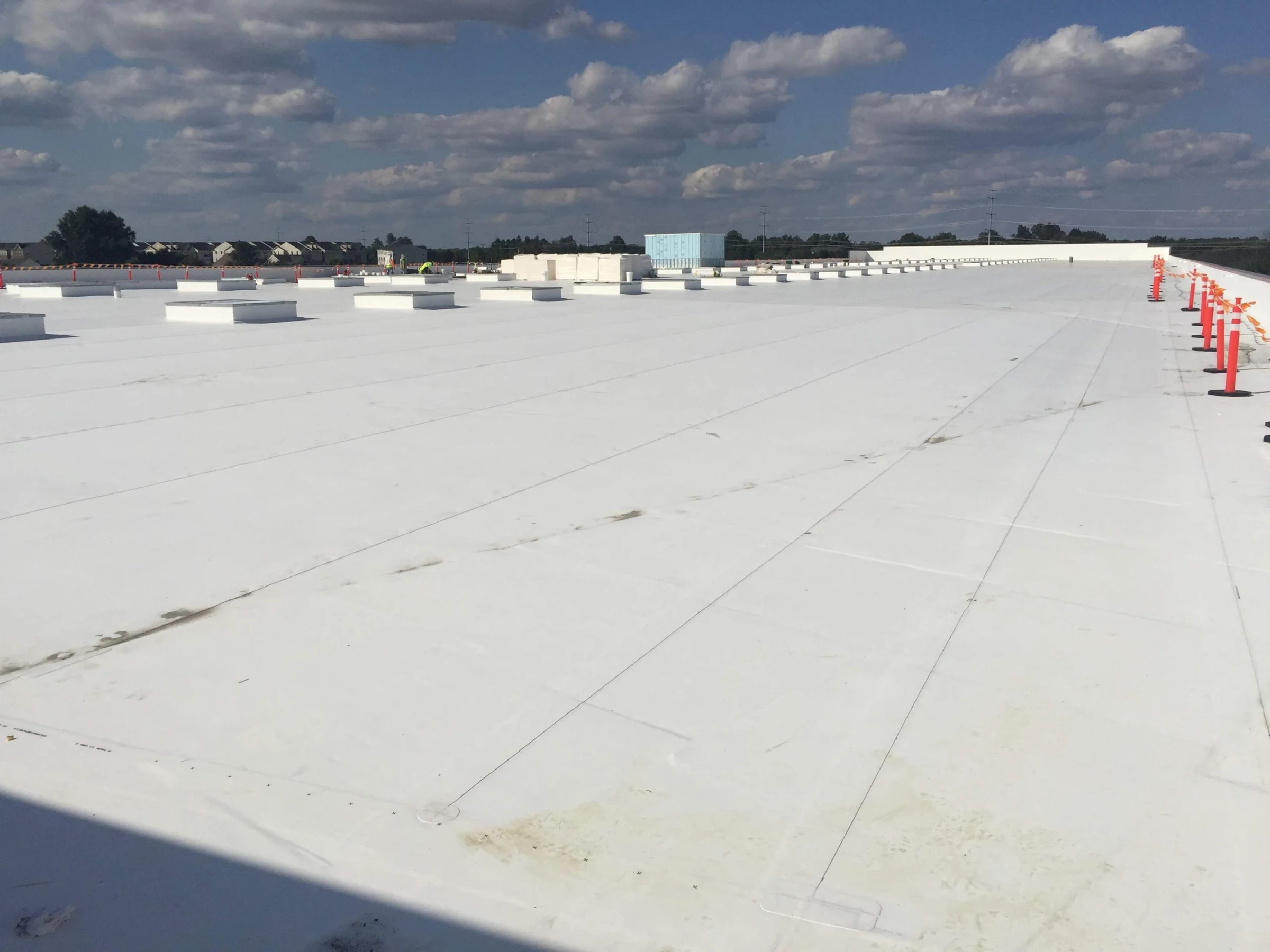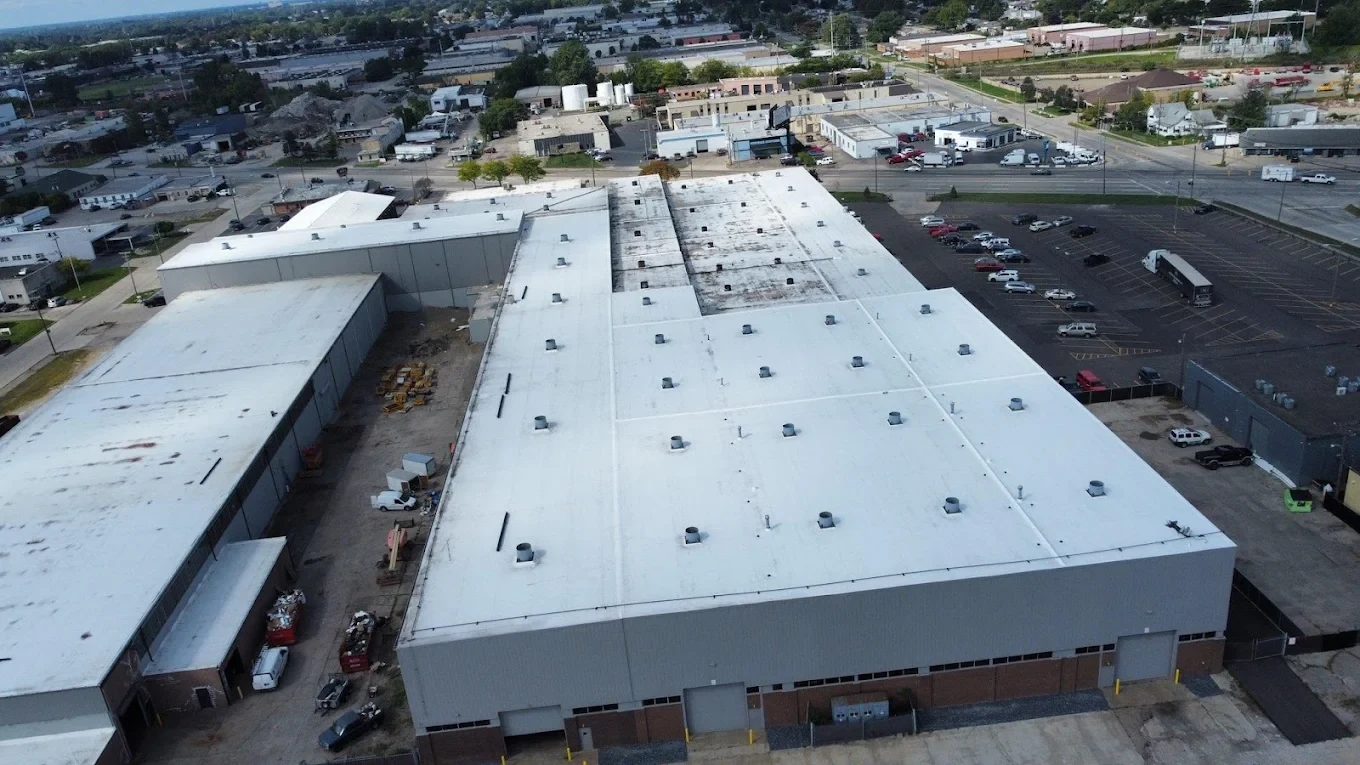
Standard-Thickness TPO for Gulfport Warehouses and Retail Boxes
Sixty-mil TPO is the workhorse membrane on most low-slope commercial roofs along the Mississippi Gulf Coast, and for good reason: it balances material cost against wind performance in a way that makes sense for a distribution box off Highway 49 or a strip center near Bayou View. But the thickness number on a spec sheet only tells part of the story. What matters for an owner is how that membrane is fastened down, how the seams are welded, and whether the design accounts for the wind loads this coastline actually sees.
What 60 Mils Actually Buys You
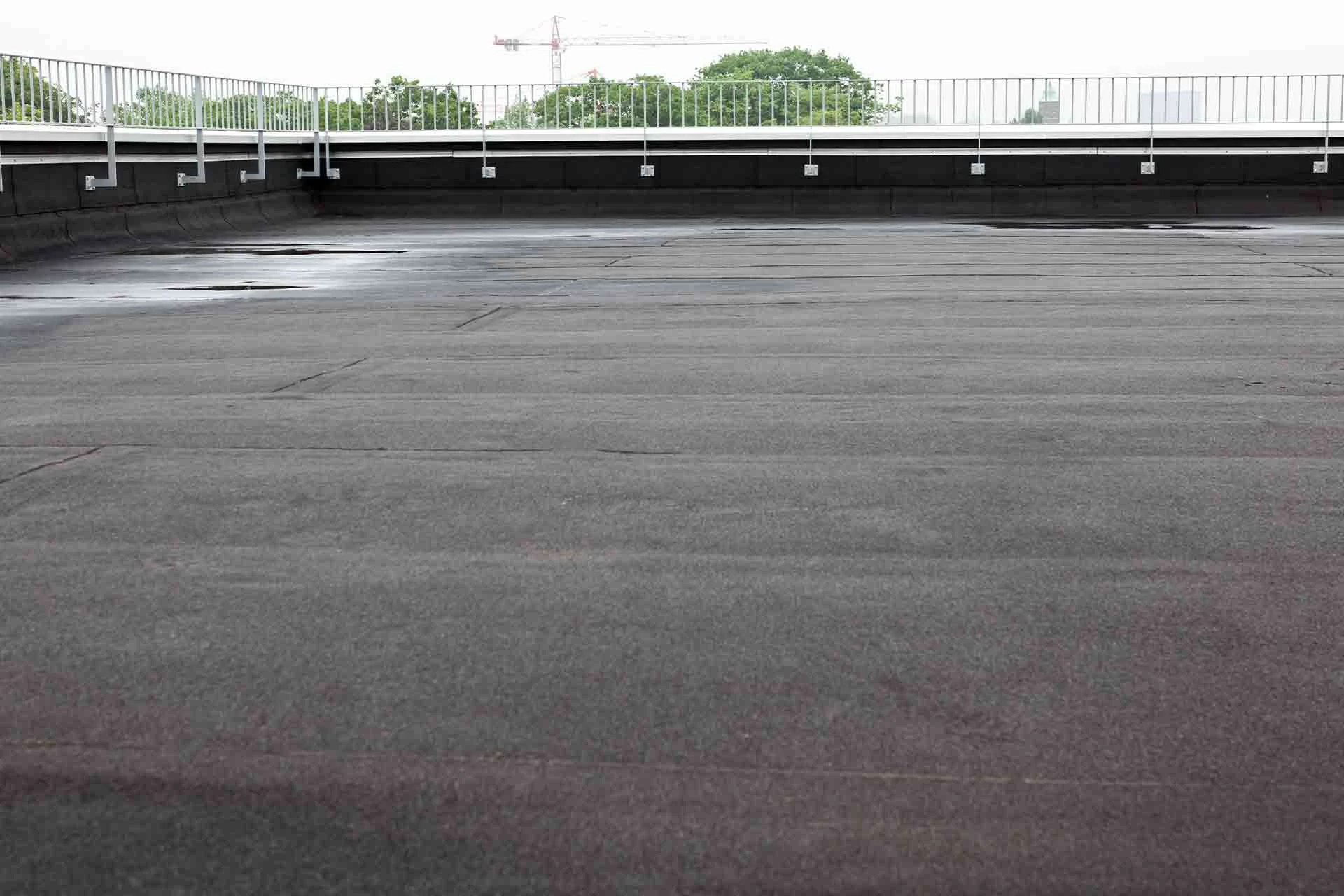
Sixty-mil TPO is a single-ply thermoplastic sheet, roughly the thickness of a stack of a dozen sheets of paper, reinforced internally with a polyester scrim. It resists punctures from foot traffic and rooftop debris better than a lighter membrane, and it holds up to the UV exposure that a flat Gulf Coast roof takes on nearly every clear day of the year. For a single-tenant warehouse or a big-box retail roof with light rooftop equipment, 60-mil is usually enough membrane to do the job for two decades or more if the fastening and seams are done right.
Where owners get into trouble is assuming membrane thickness alone determines wind performance. It doesn't. A 60-mil membrane that's mechanically fastened with the wrong pattern will fail in a strong gust event long before the sheet itself wears out. The fastening design is the part that actually keeps the roof on the building.
Wind Uplift Ratings and Fastening Patterns for This Coastline
Harrison County sits in a high wind-load zone under the codes that govern commercial construction here, and that shows up directly in how we lay out fasteners on a TPO roof. Field areas get one fastening density, but perimeters and corners get tighter spacing and additional rows, because that's where wind uplift pressure concentrates first during a tropical system. We size the fastening pattern to the building's actual wind-uplift rating rather than defaulting to whatever pattern a crew used on the last job.
This is not optional detailing. Roofs that lose membrane in a hurricane almost always fail at the perimeter first, where the fastening was thin or the edge metal wasn't rated for the same pressures as the field membrane. We treat the perimeter enhancement as part of the system, not an add-on.
Field-Welded Seams Are the Part Wind Actually Tests
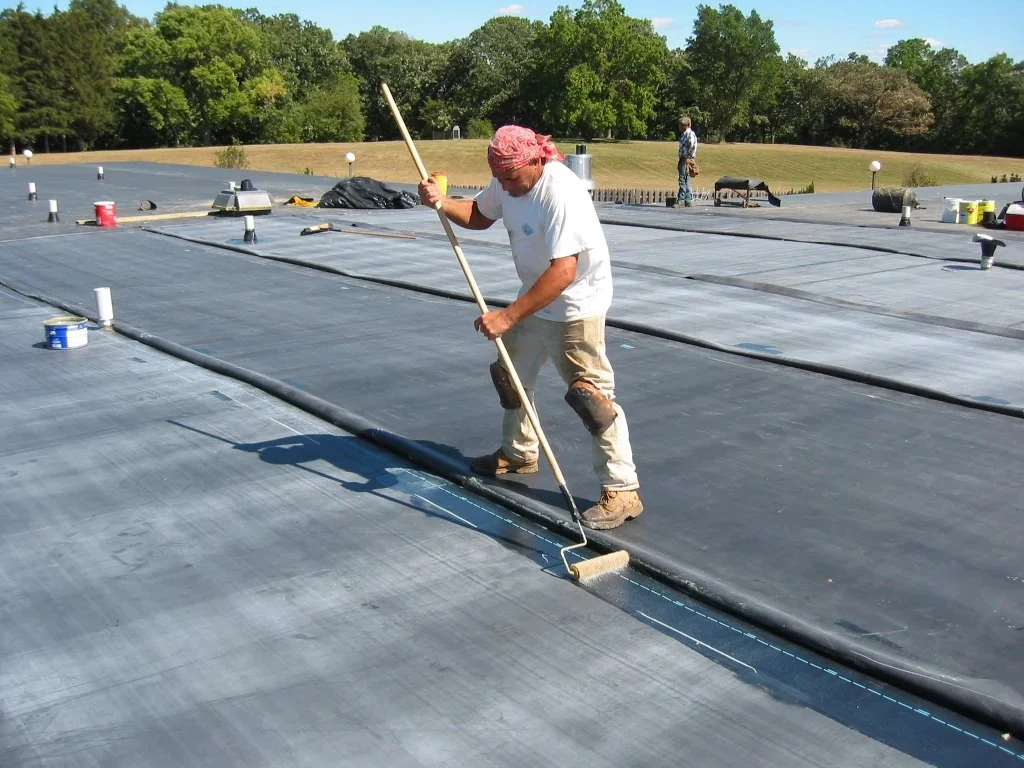
TPO seams are hot-air welded, fusing the top and bottom sheets into a single piece of material rather than relying on an adhesive bond that can weaken with age and heat cycling. On a Gulf Coast roof that spends summer afternoons at surface temperatures well above the air temperature, that welded bond matters. We test seam strength during installation, not after the fact, because a seam that looks welded and a seam that's actually fused are not always the same thing to the eye.
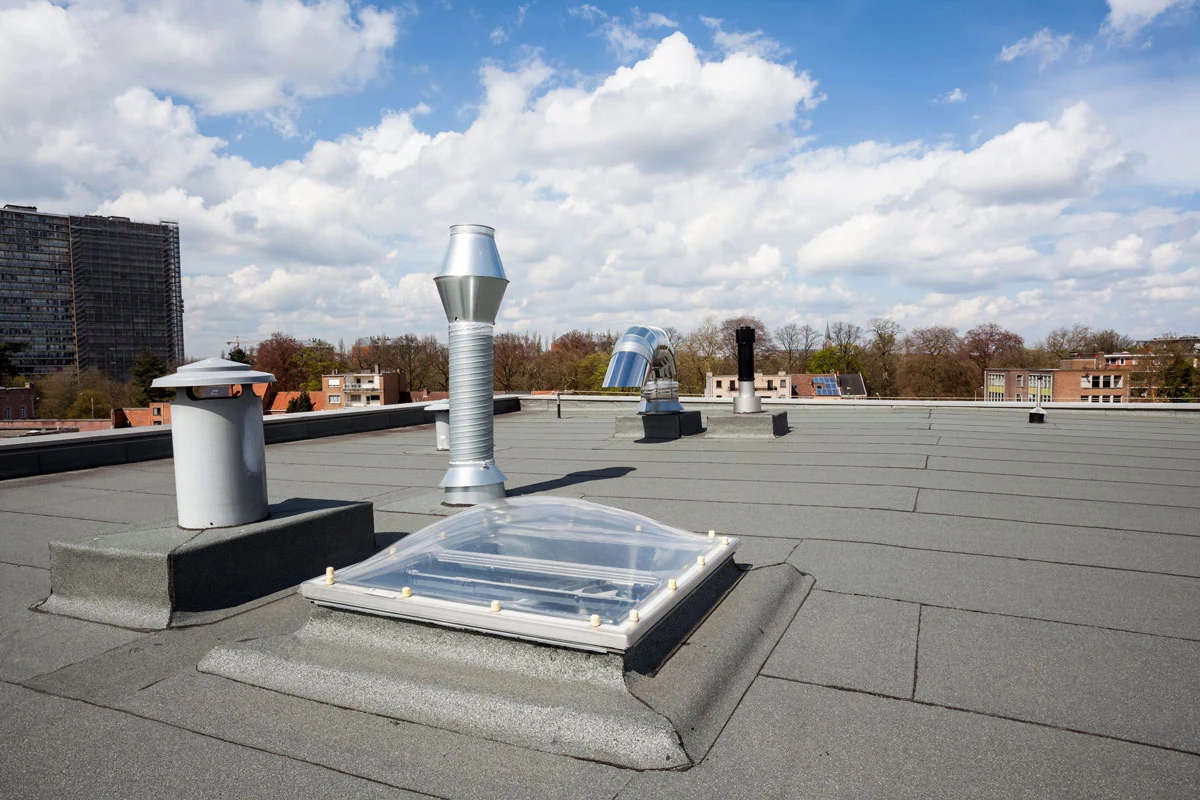
Seam failure under wind load rarely happens in the field of the roof. It happens at penetrations, at parapet transitions, and at the T-joints where three sheets meet. Those are the details we slow down for.
Where 60-Mil Fits and Where We Push Owners Toward 80-Mil
Sixty-mil TPO makes sense for most low-traffic commercial roofs, but it isn't the right call everywhere. We walk owners through the tradeoff before they commit to a spec:
- Warehouse and distribution roofs with light foot traffic, 60-mil is typically adequate
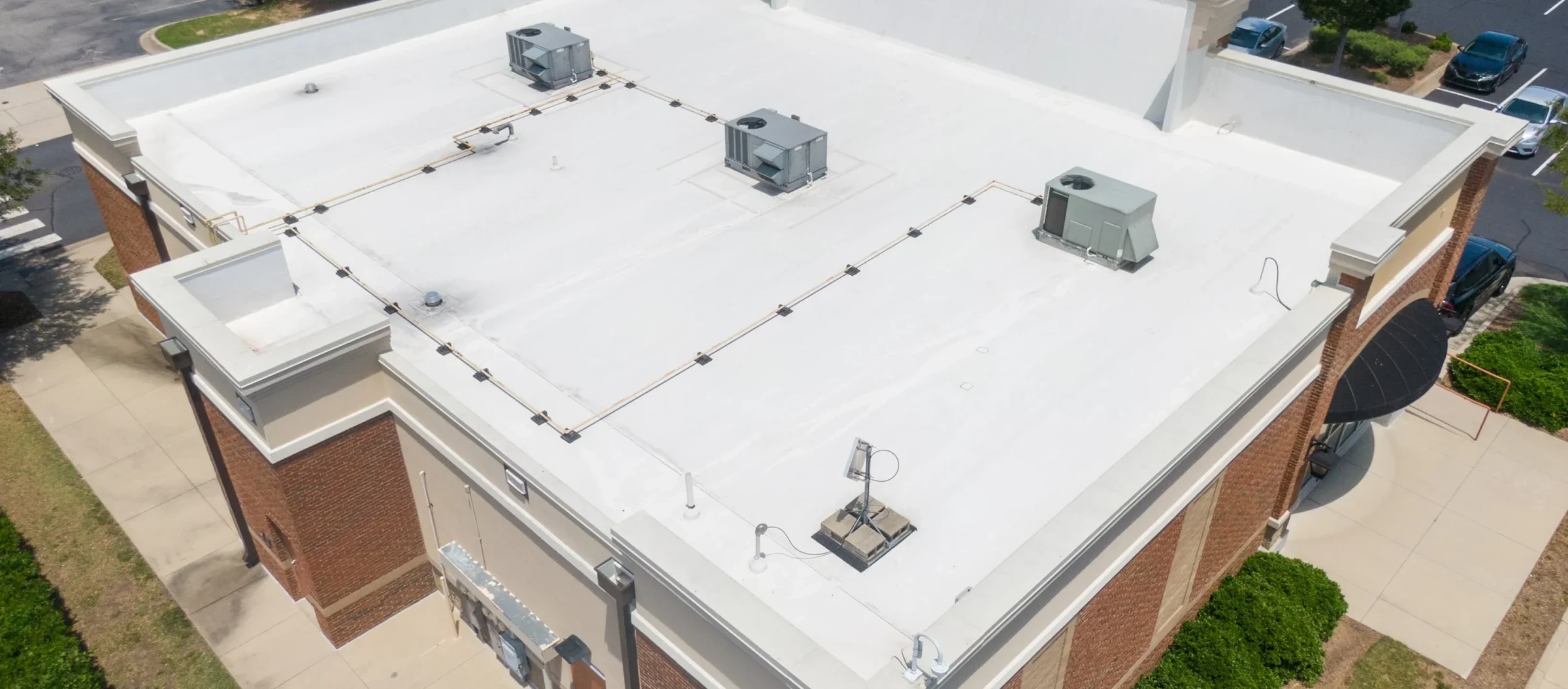
- Retail boxes with rooftop HVAC service access, 60-mil works if walkway pads protect high-traffic paths
- Roofs within a mile or two of the coastline that take direct salt spray in tropical storms, worth discussing 80-mil or a fleece-back option
- Buildings with a documented history of wind damage or storm claims, we lean toward heavier membrane and enhanced fastening
- Roofs going over an existing recover board versus new insulation, substrate condition changes the math
- Owners planning to hold the property long-term versus a five-year exit, payback period matters here
Reflectivity, Humidity, and Real-World Membrane Life
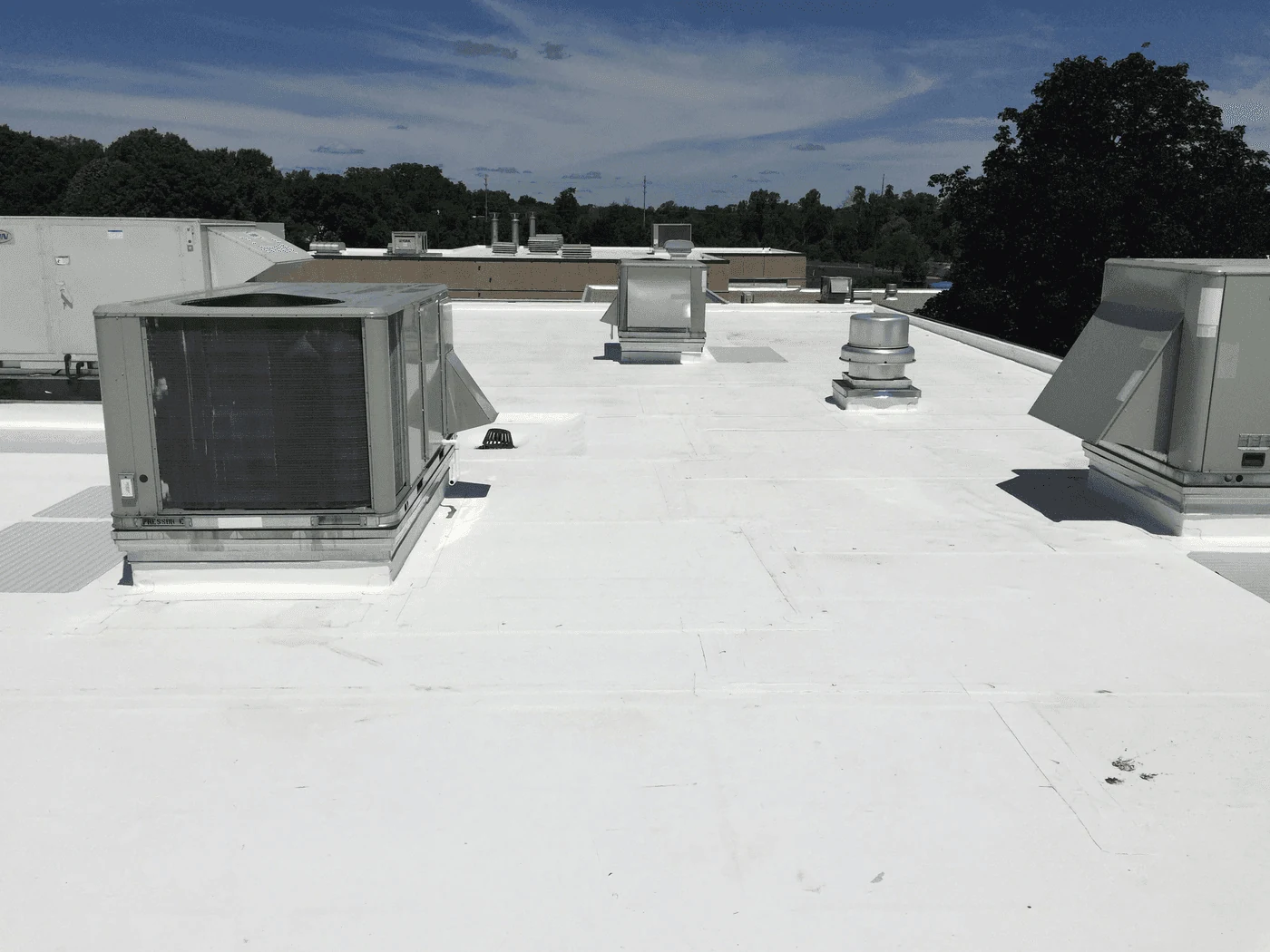
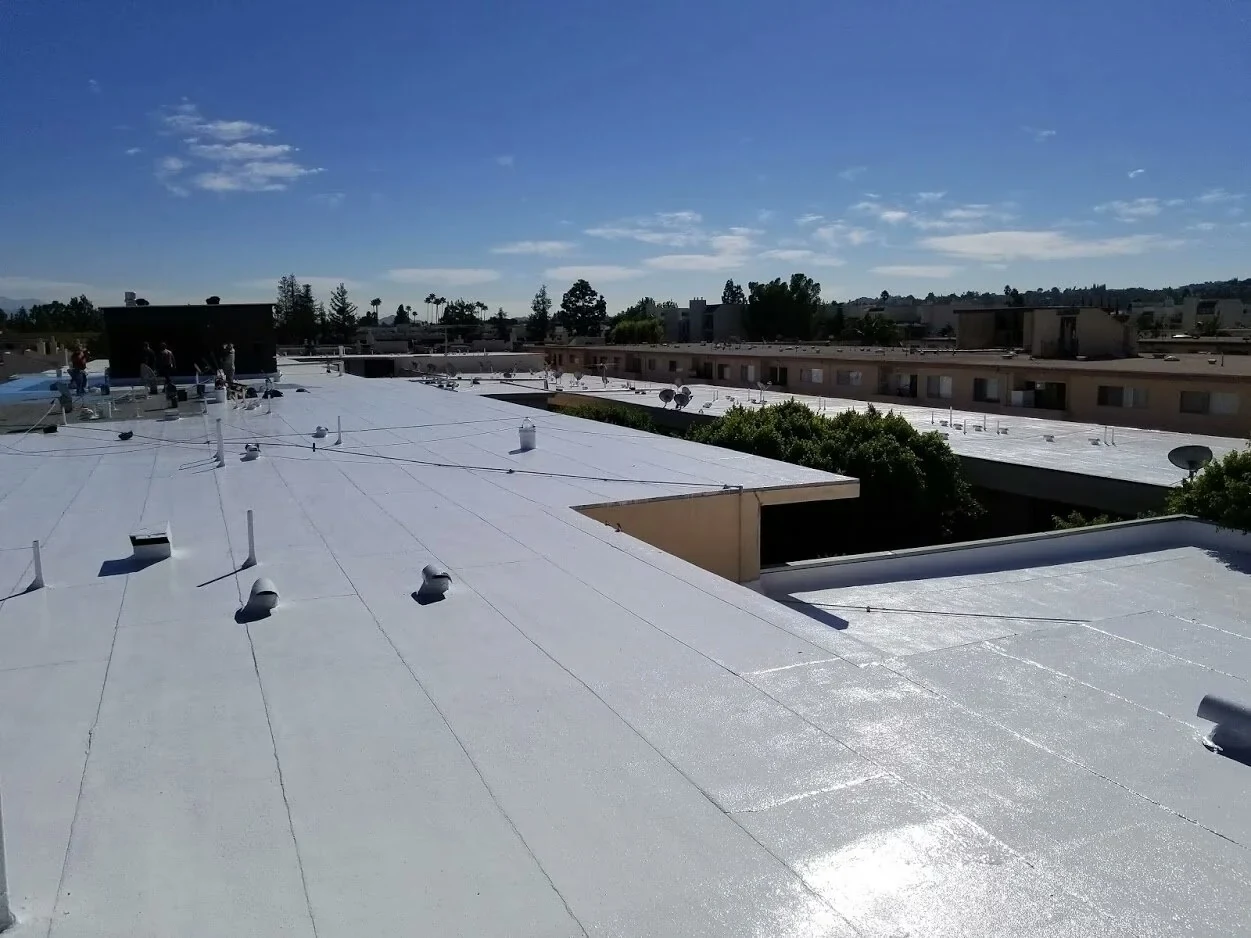
White TPO reflects a meaningful share of solar radiation compared to a dark membrane, which keeps rooftop equipment running in cooler conditions and reduces thermal cycling stress on the membrane itself. On the coast, where humidity stays high for most of the year and afternoon storms are routine from late spring through fall, that reflectivity also helps the membrane shed heat quickly after a downpour instead of holding warmth that accelerates aging.
Humidity doesn't degrade TPO the way it can degrade some built-up systems, but standing water from undersized drainage will. We check slope and drain capacity as part of any 60-mil TPO scope, because tropical rain volume here isn't a once-a-year event, it's a recurring design load.
Questions Owners Ask Before Choosing 60-Mil TPO
Is 60-mil TPO rated for hurricane-force wind?
The membrane thickness itself isn't what carries a wind rating, the assembly does, meaning the combination of membrane, fastening pattern, and substrate. We design and document that assembly to the wind-uplift pressures your building's height and exposure actually require under current code.
How long does 60-mil TPO last on a coastal roof?
With correct fastening, proper drainage, and routine inspection, we typically see 60-mil TPO perform for 20 years or more on Gulf Coast buildings. Roofs that fail early almost always trace back to installation shortcuts, not the membrane itself.
Does salt air degrade TPO membrane?
TPO resists salt-air exposure better than most metal components on a roof. The bigger salt-air risk on this coast is corrosion at fasteners, edge metal, and rooftop equipment curbs, which is why we spec corrosion-resistant hardware even when the membrane itself handles the exposure fine.
Should I upgrade to 80-mil instead?
It depends on traffic, proximity to the coastline, and how long you plan to hold the property. We'll walk you through the actual cost difference against the added puncture resistance and membrane life before you decide.
Can 60-mil TPO go over my existing roof?
Sometimes, if the existing substrate is dry, structurally sound, and won't trap moisture under the new membrane. We inspect the existing deck and insulation before recommending a recover versus a full tear-off.