Acrylic Roof Coatings for Metal and Low-Slope Buildings
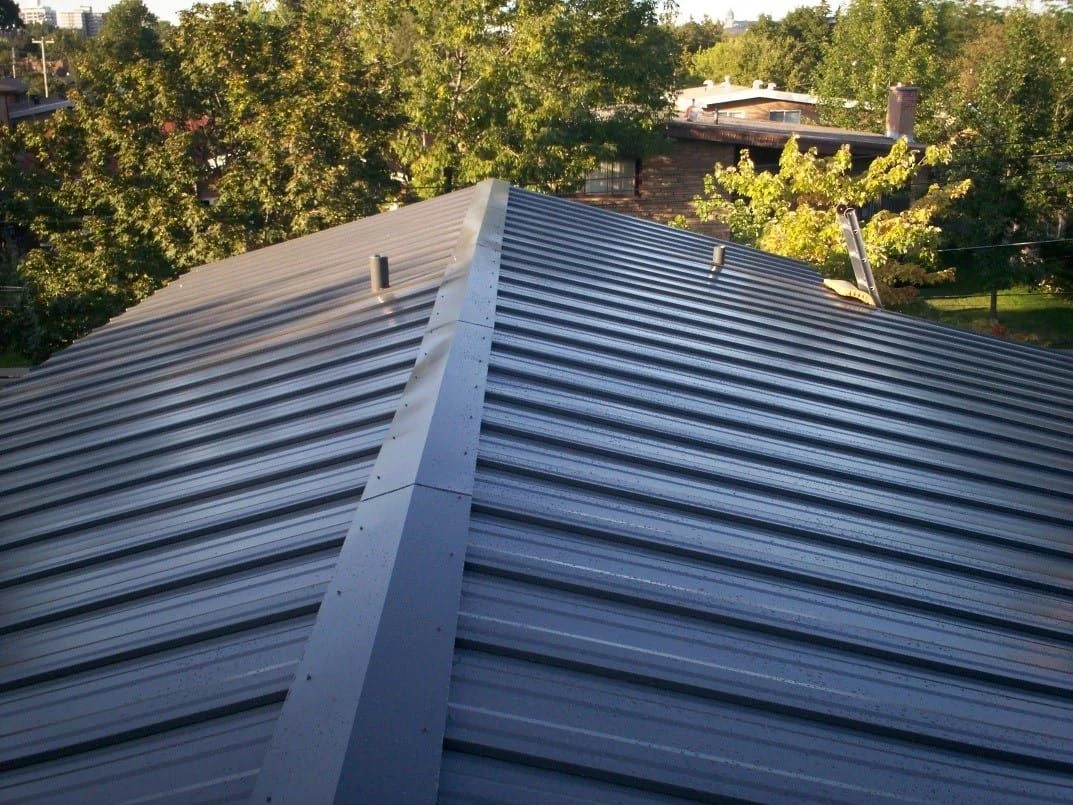
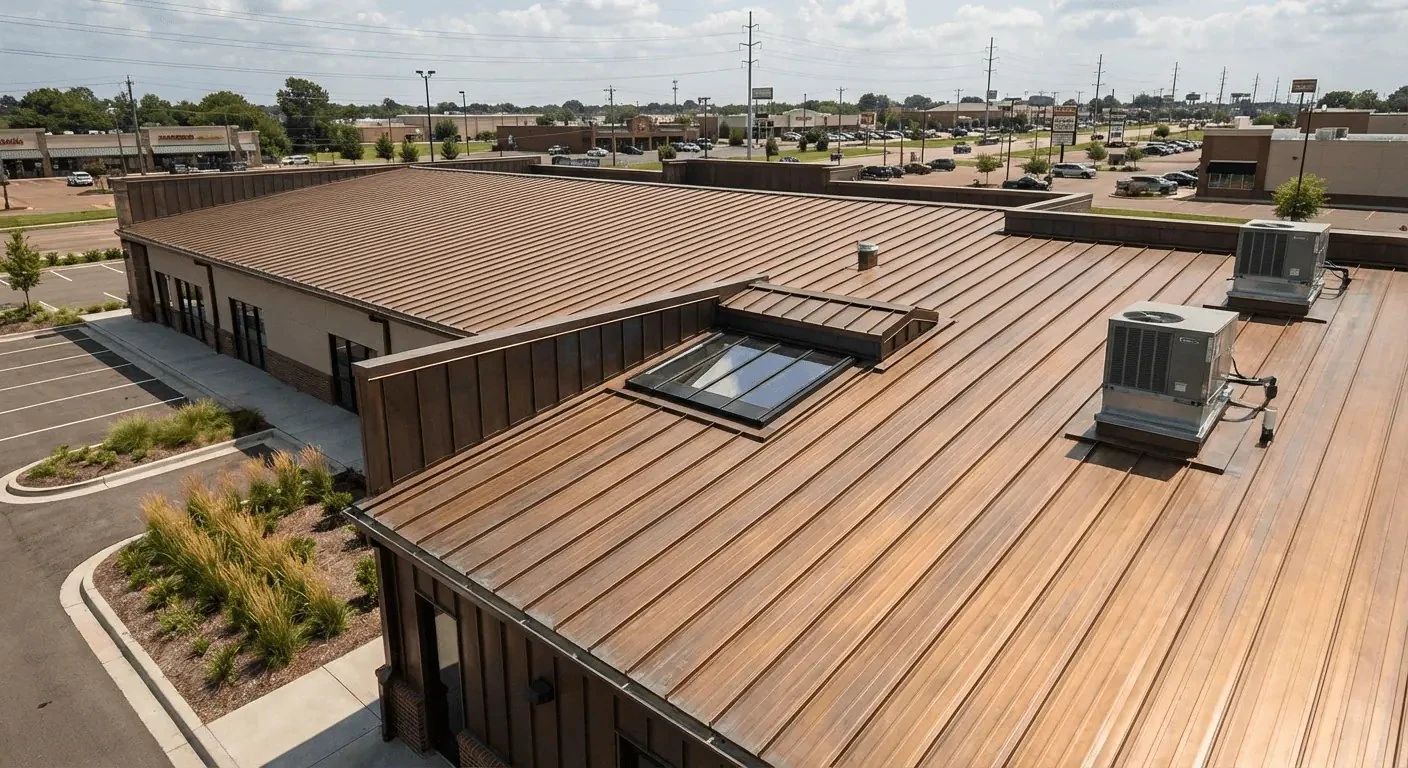
A coating recommendation starts with adhesion, moisture, drainage, membrane condition, detail preparation, and warranty eligibility, not every existing roof is a restoration candidate. Acrylic coating costs less than silicone and works differently, which makes it the right call on a specific set of roofs rather than a cheaper substitute for every project. It performs best on sloped surfaces where water actually drains rather than sitting, which describes a lot of the R-panel and standing seam metal roofs on distribution buildings and older retail structures across Gulfport-Biloxi.
Where Acrylic Outperforms Silicone
Silicone's advantage is standing water resistance, but that strength comes with a tradeoff - silicone stays soft and is more vulnerable to foot traffic damage and dirt pickup than acrylic. On a sloped metal roof where water sheds off rather than ponding, acrylic's better abrasion resistance and lower cost make it the more sensible choice, particularly on buildings that get periodic rooftop maintenance traffic for HVAC service.
Acrylic also bonds well to metal substrates and can bridge minor seams and small gaps on an aging R-panel or standing seam roof, restoring weathertightness on a system that is corroding at the surface but still structurally sound underneath.
Restoring Corroded Metal Panels
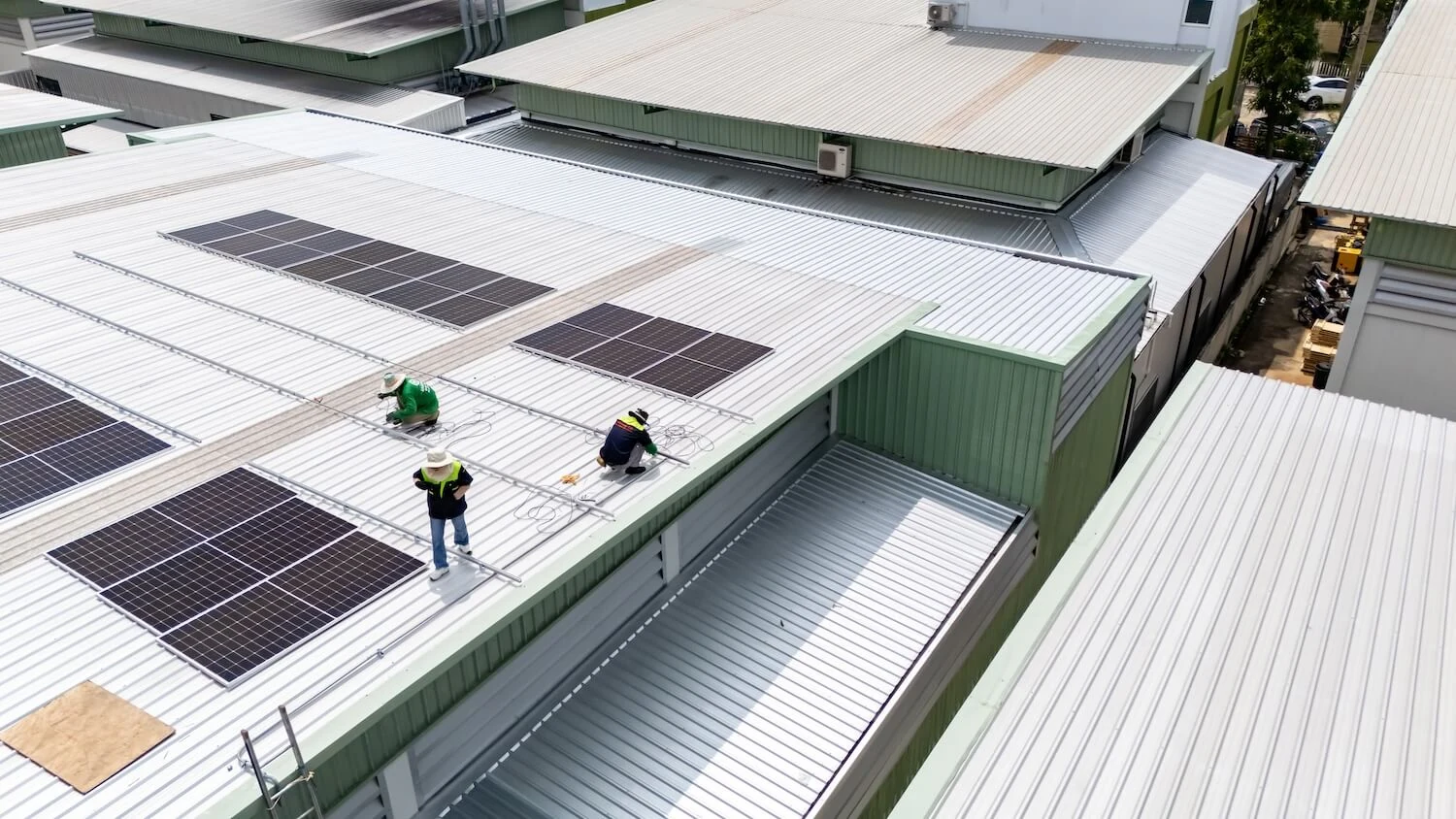
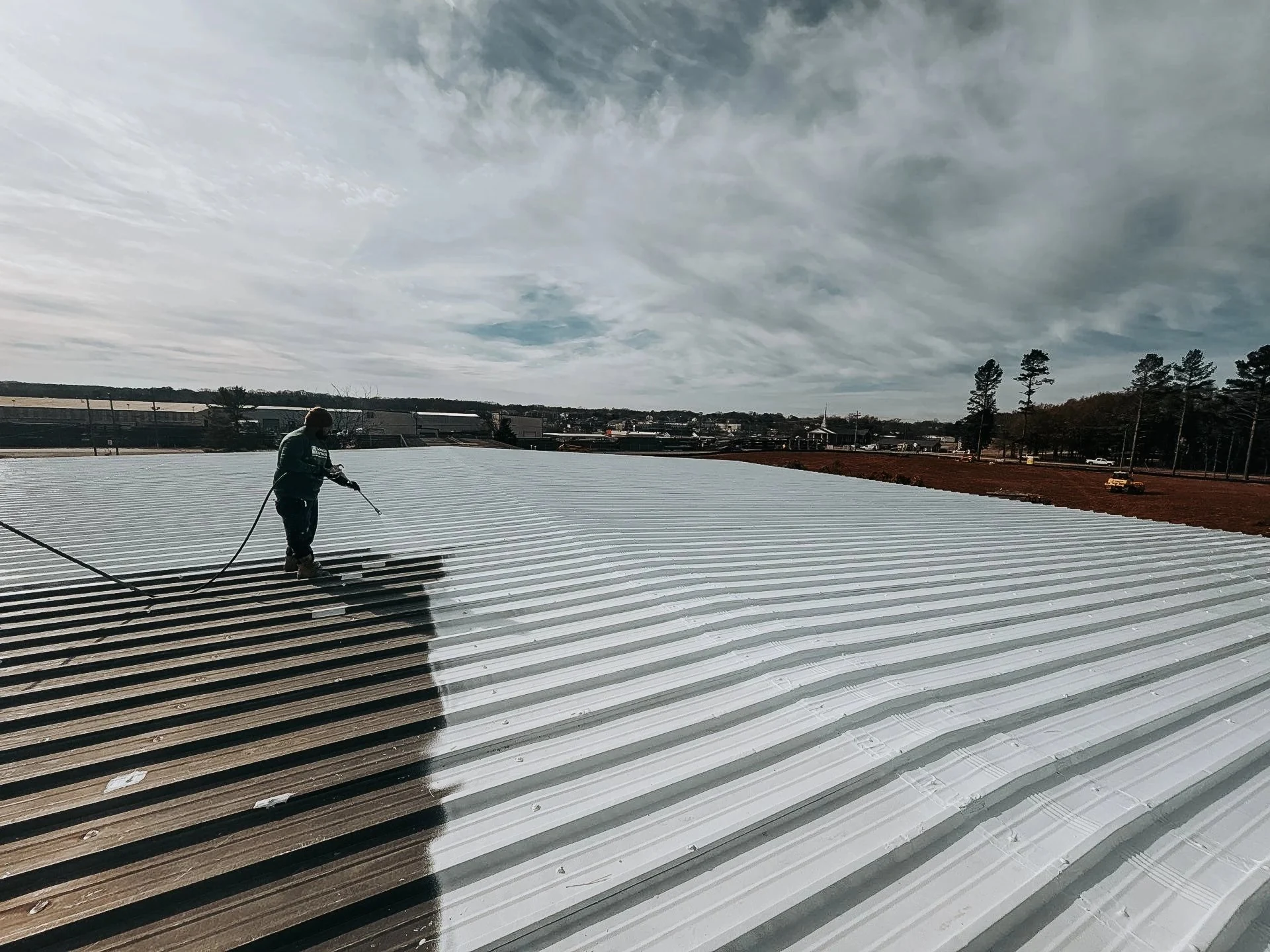
A lot of the exposed-fastener metal roofs on warehouse and industrial buildings near the port show surface rust and chalking well before the panels themselves are structurally compromised, a direct result of salt air working on standard galvanized finishes over years. An elastomeric acrylic coating, applied after proper surface preparation and rust treatment, seals that surface, restores reflectivity, and buys years of additional service life without the cost of a full panel replacement.
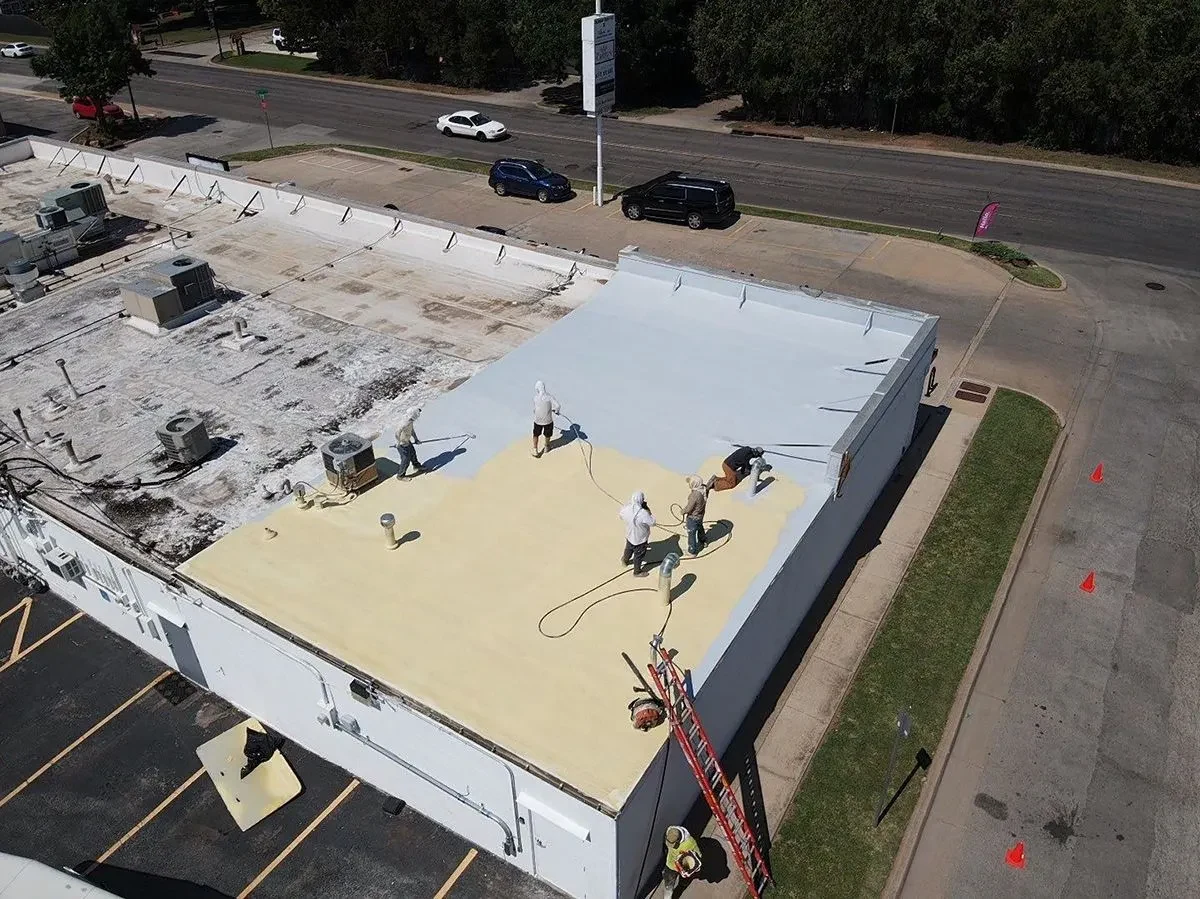
Surface prep is where a lot of coating projects succeed or fail. Rust has to be treated and any loose or flaking material removed before coating goes down, or the coating simply seals in an active corrosion problem rather than stopping it. We do not shortcut that step, even though it adds time to a project, because a coating over untreated rust fails within a season or two and the owner ends up paying for the work twice. On older panels with heavier corrosion, that prep work can end up being most of the labor on the job, well before the first coat of acrylic ever goes down.
UV Protection and Reflectivity on Metal Roofs
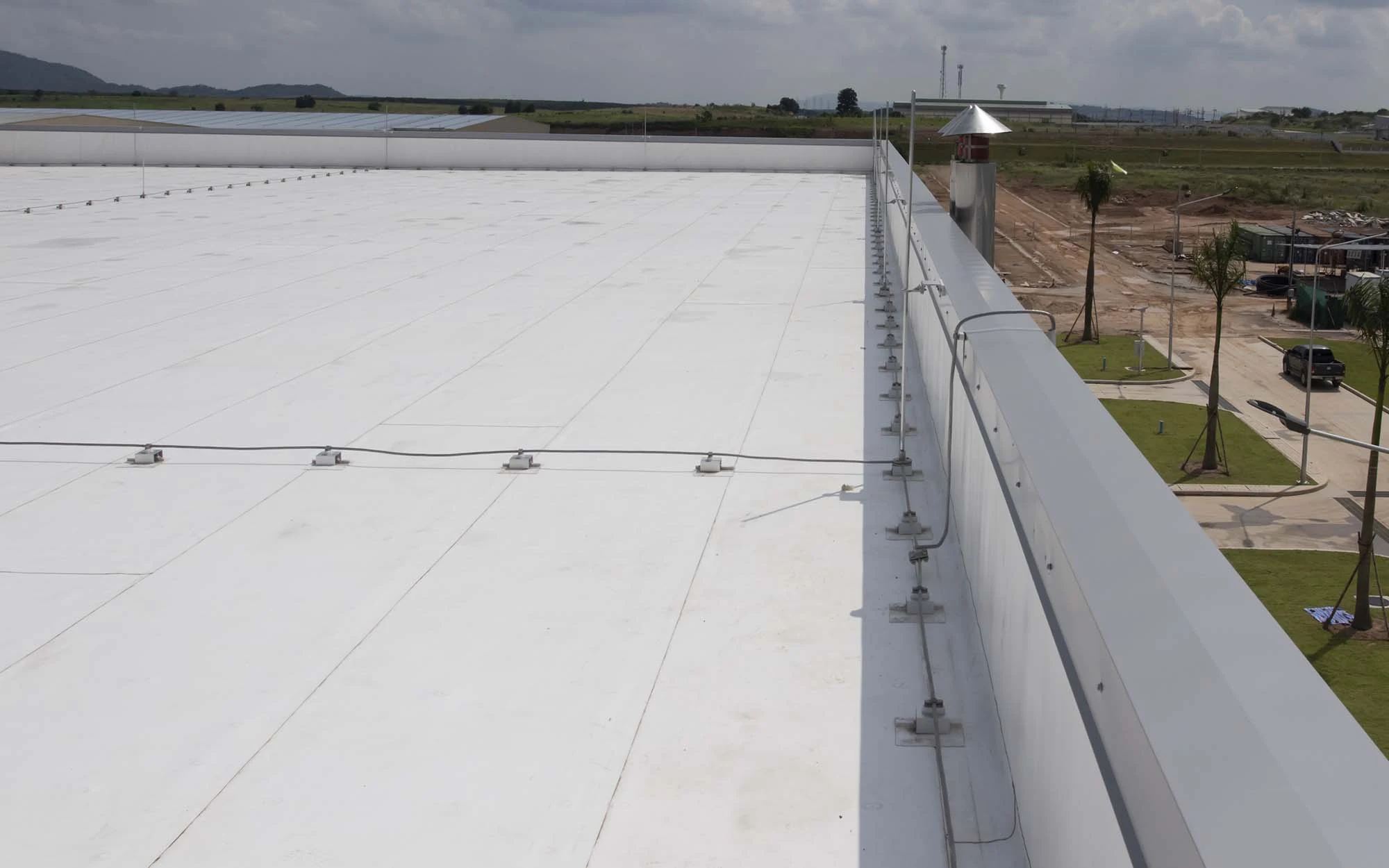
A Gulf Coast summer puts a metal roof through months of intense UV and heat, and an aging, chalky finish absorbs more of that heat than a fresh, reflective coating would. A white or light-colored acrylic coating meaningfully reduces surface temperature on a metal roof, which matters on warehouse buildings with conditioned office space attached, or on retail buildings where interior cooling load is a real operating cost.
Application Considerations in Coastal Humidity
Acrylic coatings are water-based, which means cure time and application windows are sensitive to humidity and dew point the same way silicone is, though acrylic's cure profile behaves differently. We schedule acrylic application around forecasted dry windows rather than a fixed calendar date, since a coating that does not get adequate dry time before dew or rain returns will not perform to spec regardless of how well it was mixed and applied.
Where Acrylic Coating Fits Best
Acrylic makes the most sense on sloped roofs with good drainage, on metal substrates specifically, and on projects where budget is a real constraint but the roof still has structural life left worth protecting.
- Sloped R-panel and standing seam metal roofs with adequate drainage
- Older warehouse and industrial buildings with surface corrosion
- Retail and office buildings looking to reduce cooling load affordably
- Metal roofs with light rooftop foot traffic from HVAC service
- Budget-constrained restoration projects on structurally sound panels
When Acrylic Is Not the Right Answer
On roofs with any meaningful ponding water, acrylic is not the durable choice - that is silicone's job. And on a metal roof where corrosion has progressed past surface rust into actual panel perforation or structural weakness, coating of any kind is a delay tactic rather than a real fix. We tell owners directly when a roof has moved past the point where coating makes financial sense, rather than selling a coating job that will not hold up. That conversation is not always what an owner wants to hear when they were hoping to defer a bigger expense, but a coating quoted on a roof that is already past its useful life just delays the real decision by a year or two while adding cost the owner never recovers.
Questions We Get About Acrylic Roof Coatings
Is acrylic coating a good fit for a metal roof with rust spots?
Often yes, provided the rust is surface-level and gets properly treated before coating. If corrosion has perforated the panel, coating will not restore structural integrity.
How does acrylic compare to silicone for cost?
Acrylic generally costs less per square than silicone, which is one reason it is a common choice on sloped metal roofs where silicone's standing-water advantage is not needed.
Can acrylic coating be applied over a roof with ponding water issues?
We do not recommend it. Standing water breaks down acrylic coating faster than it does silicone, so a roof with real ponding problems needs a different coating system or a drainage fix first.
How long does an acrylic coating last on a coastal metal roof?
Roughly ten years is a reasonable expectation with proper surface prep and application, with recoating extending the underlying panel's service life further.
Does acrylic coating stop future corrosion on a metal roof?
It significantly slows new corrosion by sealing the metal surface from moisture and salt air, but it does not reverse damage that has already occurred beneath the surface.