Built-Up Tar and Gravel Roofs on the Coast
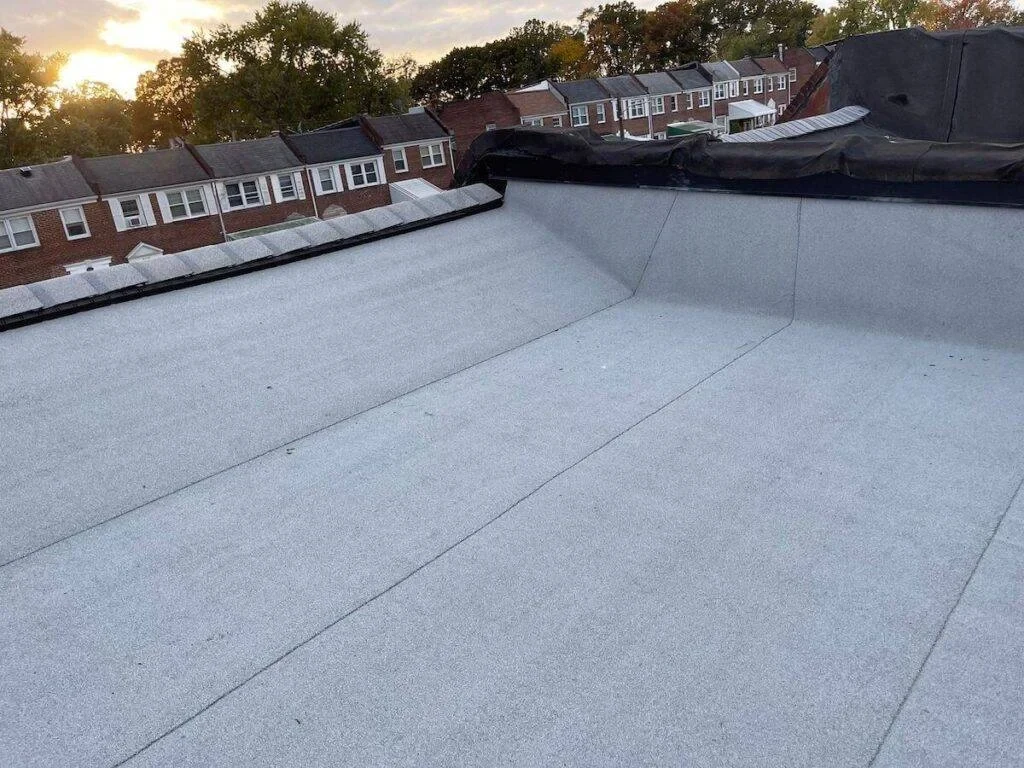
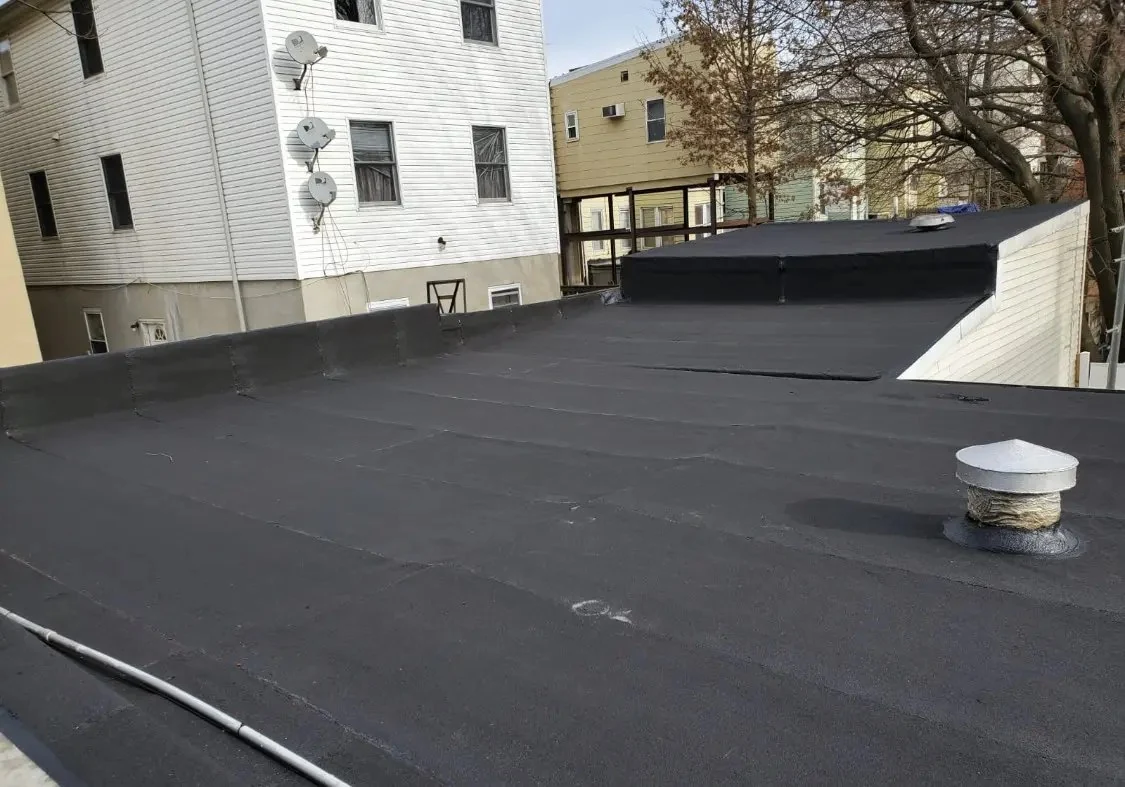
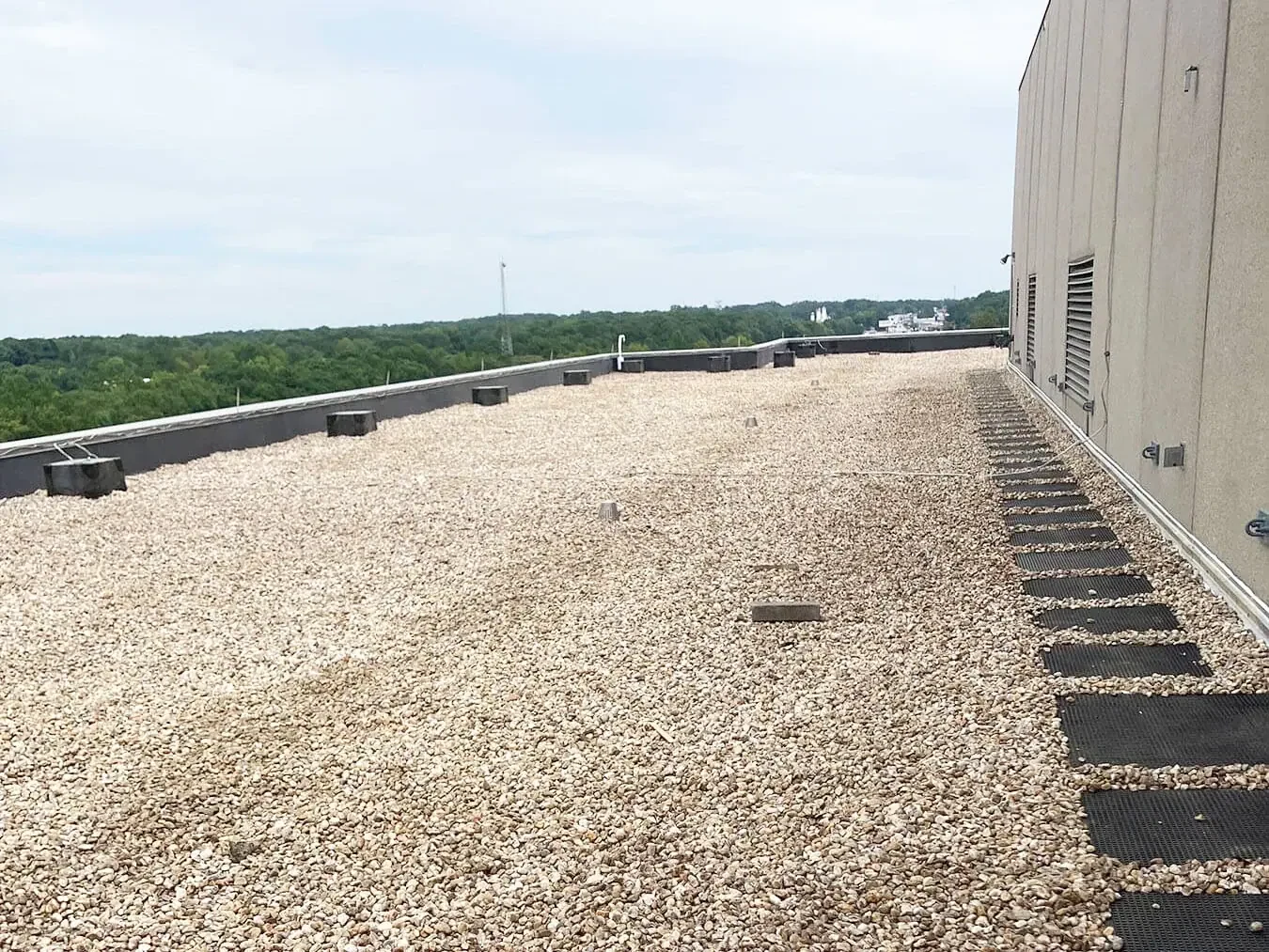
A surprising number of the older schools, warehouses, and municipal buildings scattered from Gulfport out to Ocean Springs still carry a built-up roof, layers of asphalt-saturated felt and bitumen topped with gravel ballast, some of it decades old. These roofs can still be sound, but the same ballast that made them cheap and durable when they were installed is now a liability on a hurricane coast.
Why Gravel Ballast Is a Bigger Problem Here Than Elsewhere
Loose gravel ballast on a built-up roof becomes windborne debris once sustained wind speeds climb into hurricane range, and that debris does not stay on the roof - it breaks windows, damages parked vehicles, and can strike people and adjacent structures. Coastal building code updates since Katrina have pushed hard against loose ballast systems in high-wind zones, and a lot of the older BUR roofs we inspect predate those requirements entirely.
On any older built-up roof we evaluate, the ballast situation gets flagged early in the report, separate from whatever leak or membrane issue brought the owner to call in the first place. It is often the single item with the most liability exposure on the whole building.
Multi-Ply Redundancy - The Real Advantage of BUR
Built-up roofing earned its long track record because of redundancy. A typical BUR assembly has three to five plies of felt saturated with bitumen, and losing one ply to wind damage or age does not automatically mean a breach through to the deck. That redundancy is part of why some of these roofs are still functioning forty years after installation, provided they were maintained and the deck stayed dry.
The tradeoff is weight. A gravel-surfaced BUR roof is heavy, and on an older deck that was never designed for a modern insulation upgrade layered on top, that weight limits what recover options are actually available without a structural review.
Recover, Repair, or Replace - How We Decide
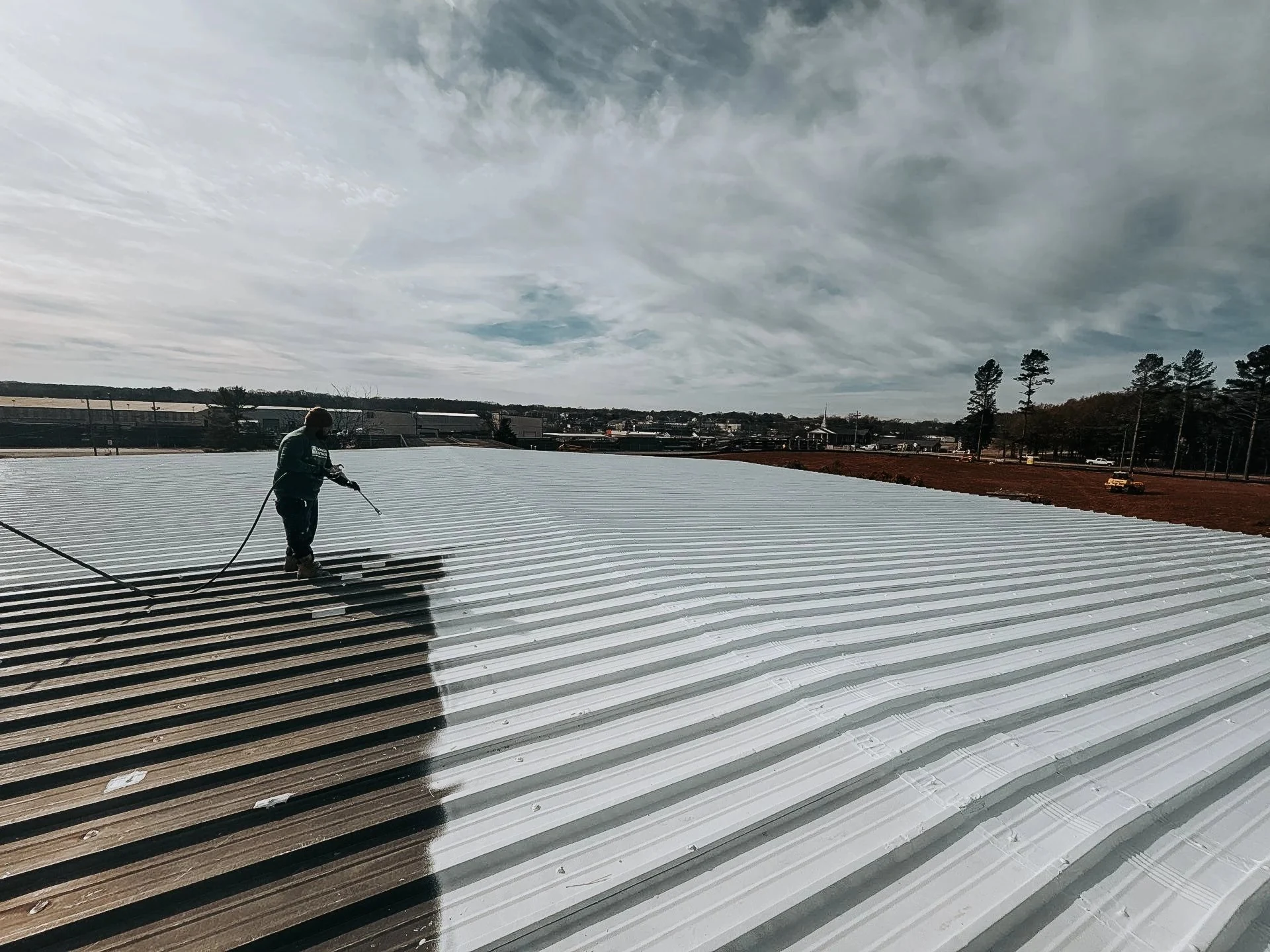
The decision on an older BUR roof comes down to deck condition more than anything else. If the deck is dry and structurally sound, a recover with a modern cap sheet or single-ply membrane over the existing plies can extend the roof's life at a fraction of full tear-off cost. If moisture has worked into the insulation or deck over years of small, unaddressed leaks, recover is not a real option and the conversation shifts to full replacement.
We use core sampling and moisture scanning rather than guesswork to make that call, since a built-up roof that looks fine from the surface can be hiding years of trapped moisture underneath the gravel. A visual walk alone tells us almost nothing about what has happened between the plies over decades, which is why we do not quote a recover or a repair scope off a surface inspection on any BUR roof over about fifteen years old.
- Core samples at multiple points to check ply and deck condition
- Infrared or capacitance moisture scanning across the full roof area
- Ballast inventory and wind exposure assessment
- Drain and scupper capacity check against current slope
- Structural review if additional insulation or a heavier recover is being considered
Where We Still Encounter BUR on This Coast
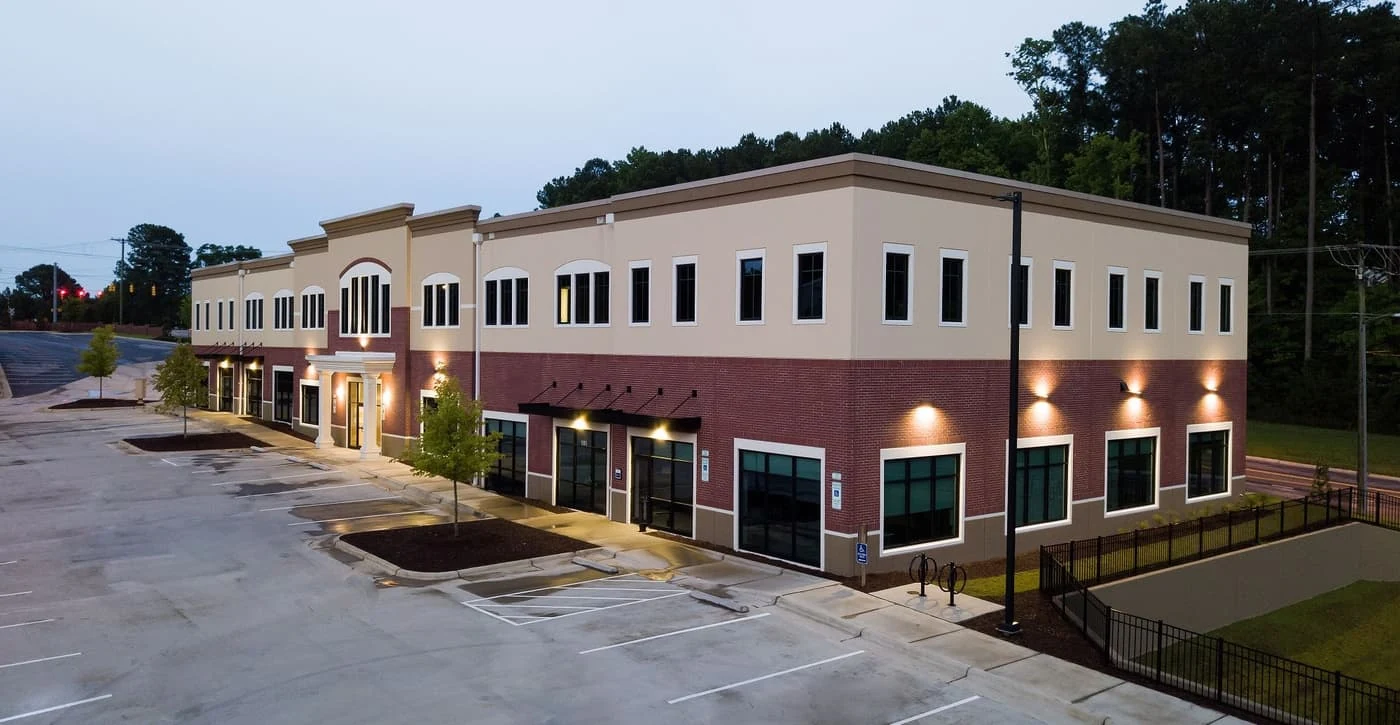
Older school buildings from Gulfport to Perkinston, municipal and government structures, and some of the longer-standing warehouse and light-industrial buildings near the port still carry built-up roofs. These are exactly the buildings where budget constraints and public accountability make the recover-versus-replace decision matter most, since a school district or municipality has to justify the number to a board, not only to an owner writing a single check, which changes how the recommendation gets presented and documented.
Storm Preparedness for an Existing BUR Roof
For a building that is not ready for a full roofing project but has an aging BUR system, pre-storm preparation matters. Securing or reducing loose ballast where possible, clearing drains of years of accumulated debris, and documenting current roof condition with photos before hurricane season gives an owner a real baseline to compare against after a storm passes, rather than trying to reconstruct what the roof looked like from memory during a claim.
Questions We Get About Built-Up Roofing
Is my old gravel roof a wind hazard even if it has never had a problem?
Loose ballast is a hazard regardless of past storm history, since it only takes one hurricane-force event to turn gravel into debris. We evaluate ballast condition and securement on every older BUR inspection.
Can a built-up roof be recovered instead of torn off?
Often, if core samples and moisture scans show a dry deck and sound insulation. If moisture has already reached the deck, recover is not a durable option.
How long can a well-maintained BUR roof actually last?
Some of the built-up roofs we inspect on this coast have been in service for thirty to forty years, though that requires consistent maintenance and no significant unaddressed moisture intrusion over that span.
Is built-up roofing still installed new, or only maintained on older buildings?
New BUR installations are less common than they once were, but it remains a valid option on certain heavy-use or high-redundancy applications where the weight and multi-ply system make sense.
What is the first sign a BUR roof needs attention?
Bald or thinning gravel coverage exposing the bitumen underneath, ponding water that takes more than forty-eight hours to drain, and any soft or spongy feel underfoot during a walk of the roof.