Re-Roofing Gulfport's Commercial Buildings Before the Next Storm Season
A membrane past its service life doesn't fail on a calm afternoon. It fails during a August squall line off the Gulf, or under the wind load of a named storm, at the worst possible moment for the building underneath it. We plan full re-roofing projects on that reality, not around it.
Reading a Roof That's Actually Done
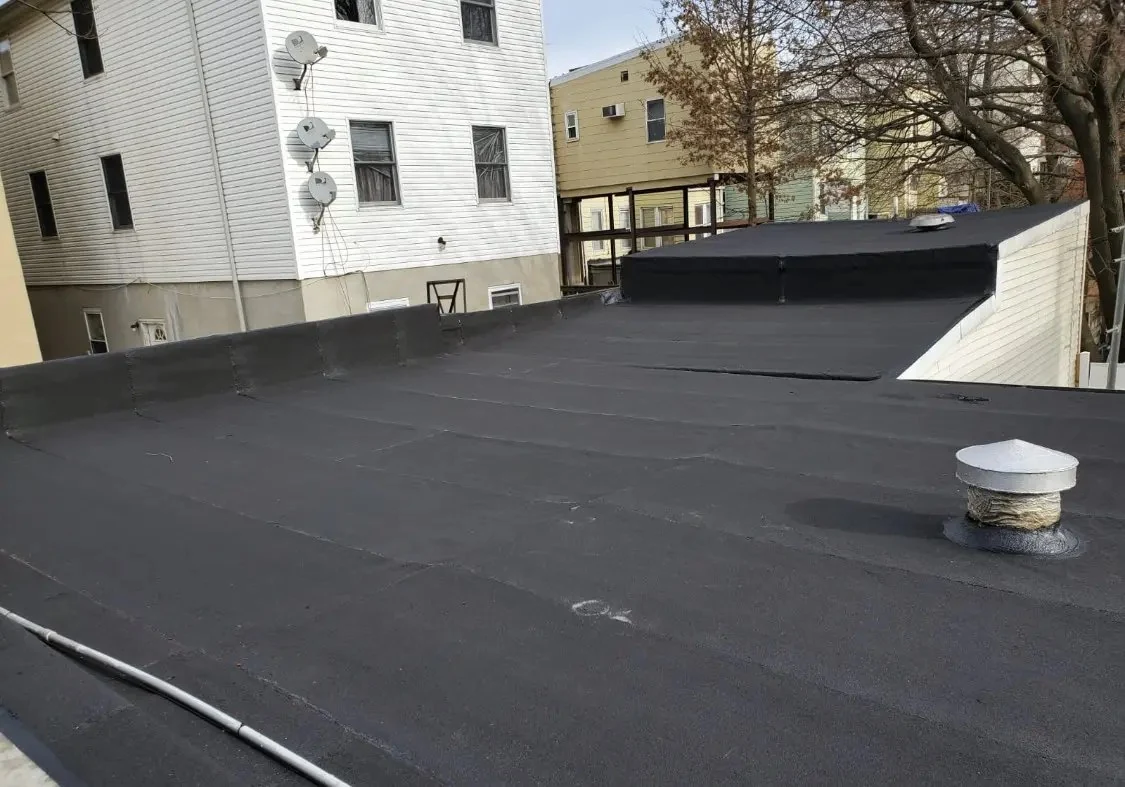
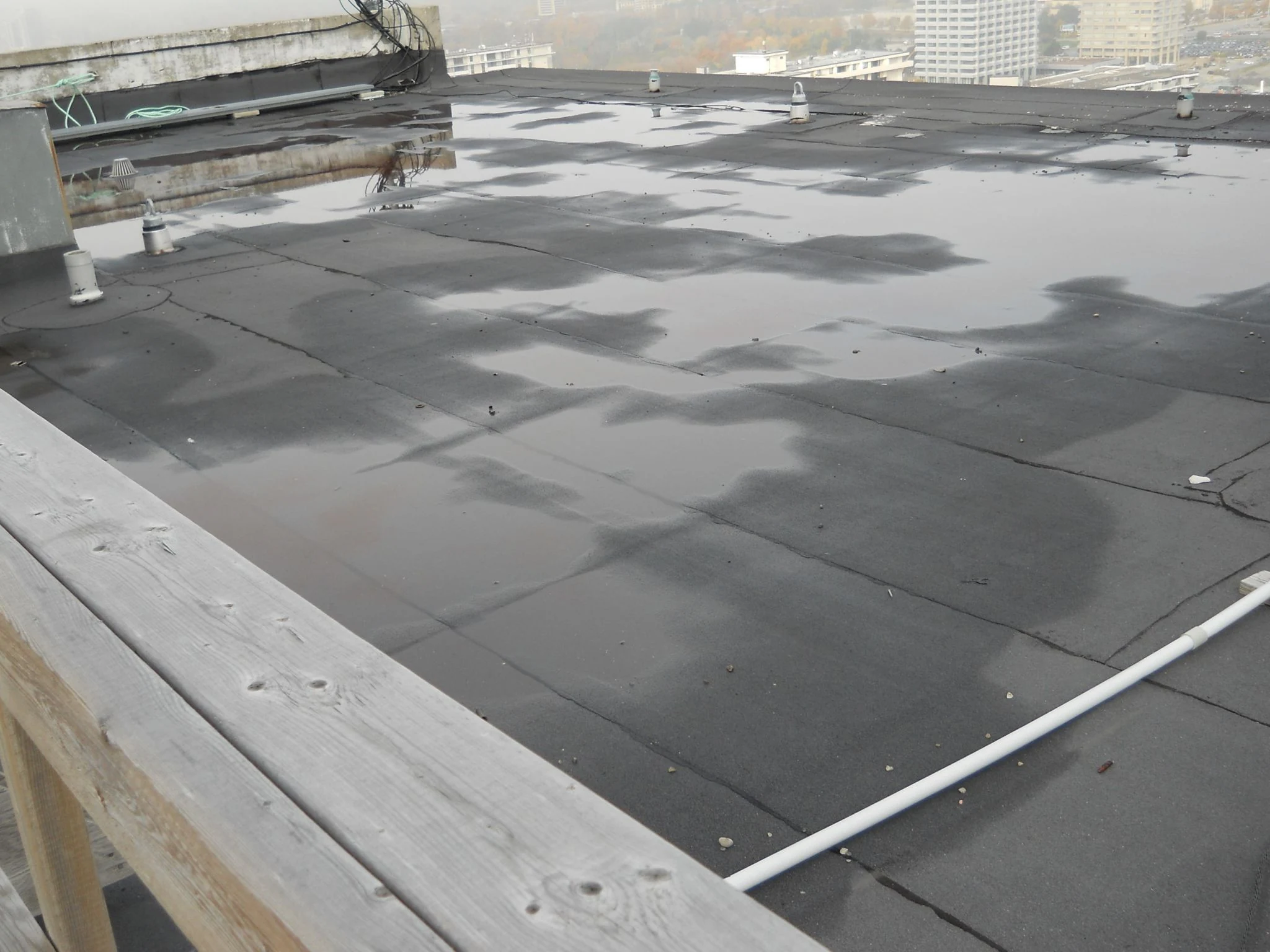
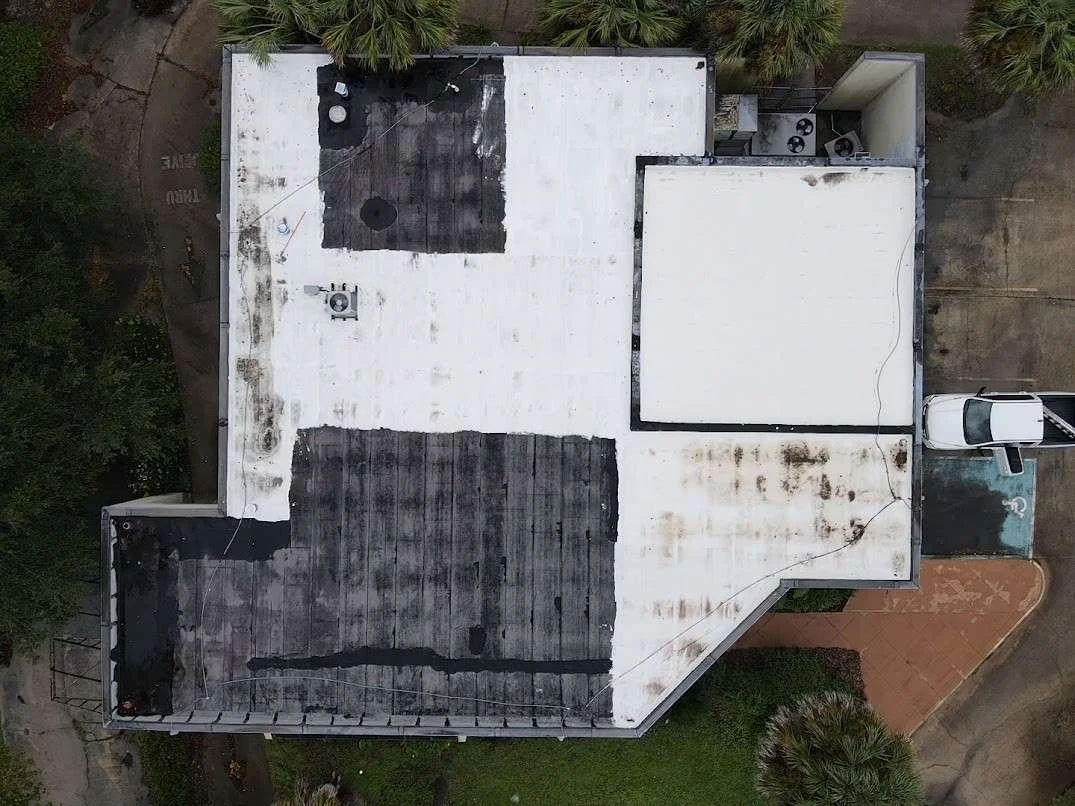
Blistering, granule loss on modified bitumen, seams that have gone brittle at the laps, insulation that stays wet after a dry week, these are the signs we look for before recommending a full tear-off instead of another round of patching. On the flat-roof retail boxes along US-90 and the low-slope warehouse stock off Highway 49, we've seen owners spend three or four years chasing leaks that a single re-roof would have closed out for good.
The decision isn't only about the membrane. Deck condition matters more on the coast than most owners expect, because trapped moisture under an aging system corrodes steel deck and rots wood nailers from underneath, invisible until the tear-off crew opens it up.
Tear-Off Versus Recover: What Actually Changes
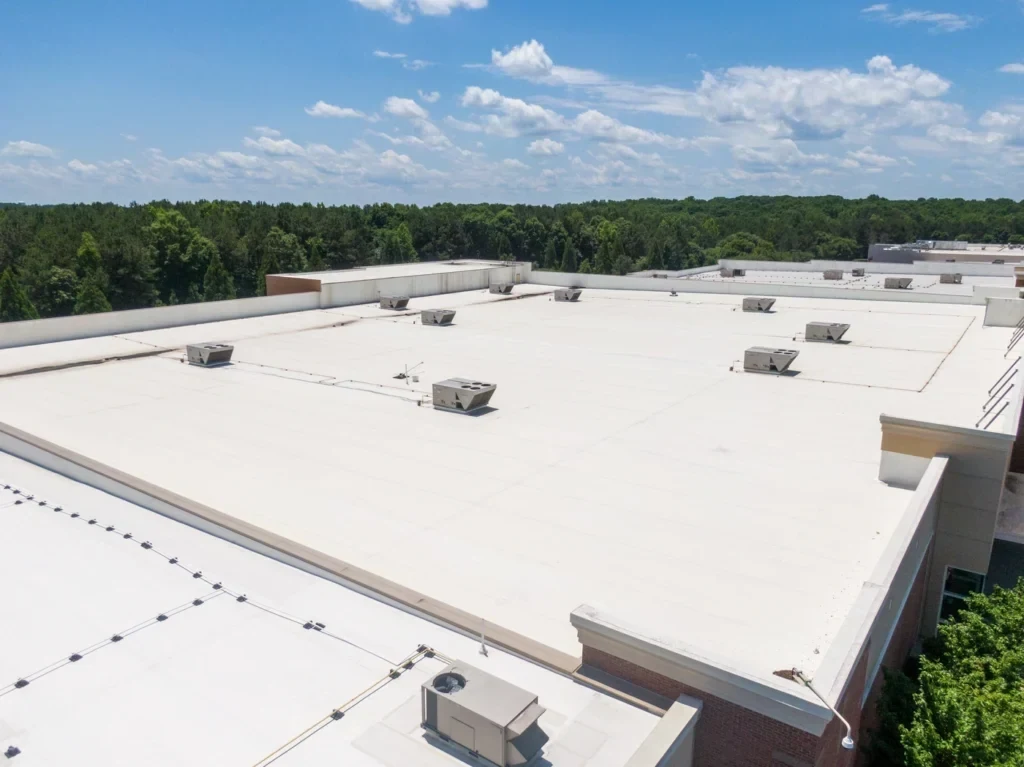
A recover system goes over what's already there. It's faster and cheaper, and on a sound deck with dry insulation it's a legitimate option. But it also locks in whatever problems are already inside that assembly, wet insulation stays wet, a marginal deck stays marginal, and you're now carrying two roofs' worth of dead load in a wind zone where dead load and uplift resistance are directly connected.
A full tear-off resets the assembly. New insulation, a deck that gets inspected fastener by fastener, and a fastening pattern specified for the actual wind exposure of that building, not a generic spec pulled off a shelf. For hospitality and casino-adjacent properties near the beachfront, where wind exposure category is about as severe as it gets in this market, we default to tear-off unless the numbers clearly favor a recover.
Sequencing Around the Coast's Storm Calendar
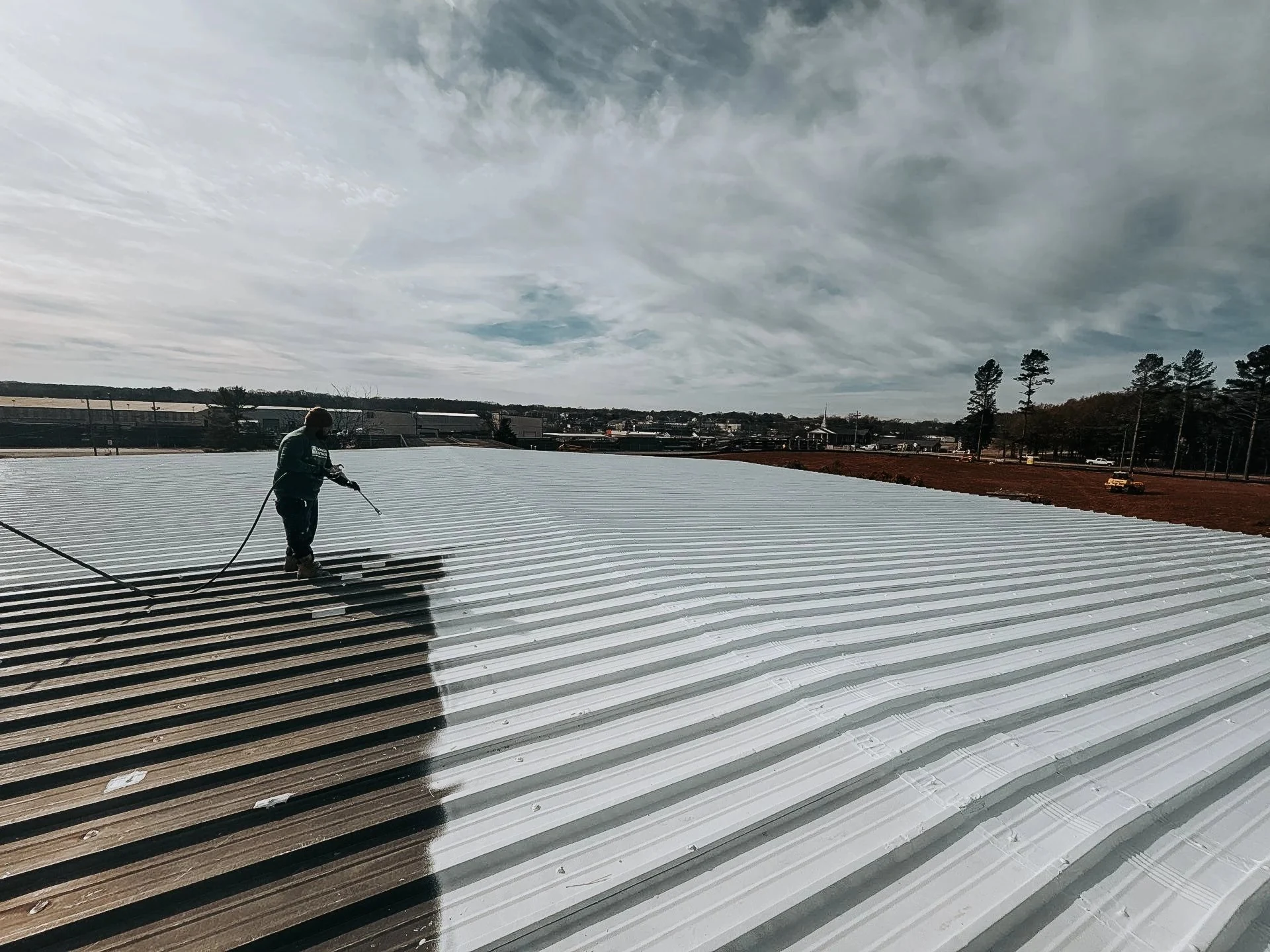
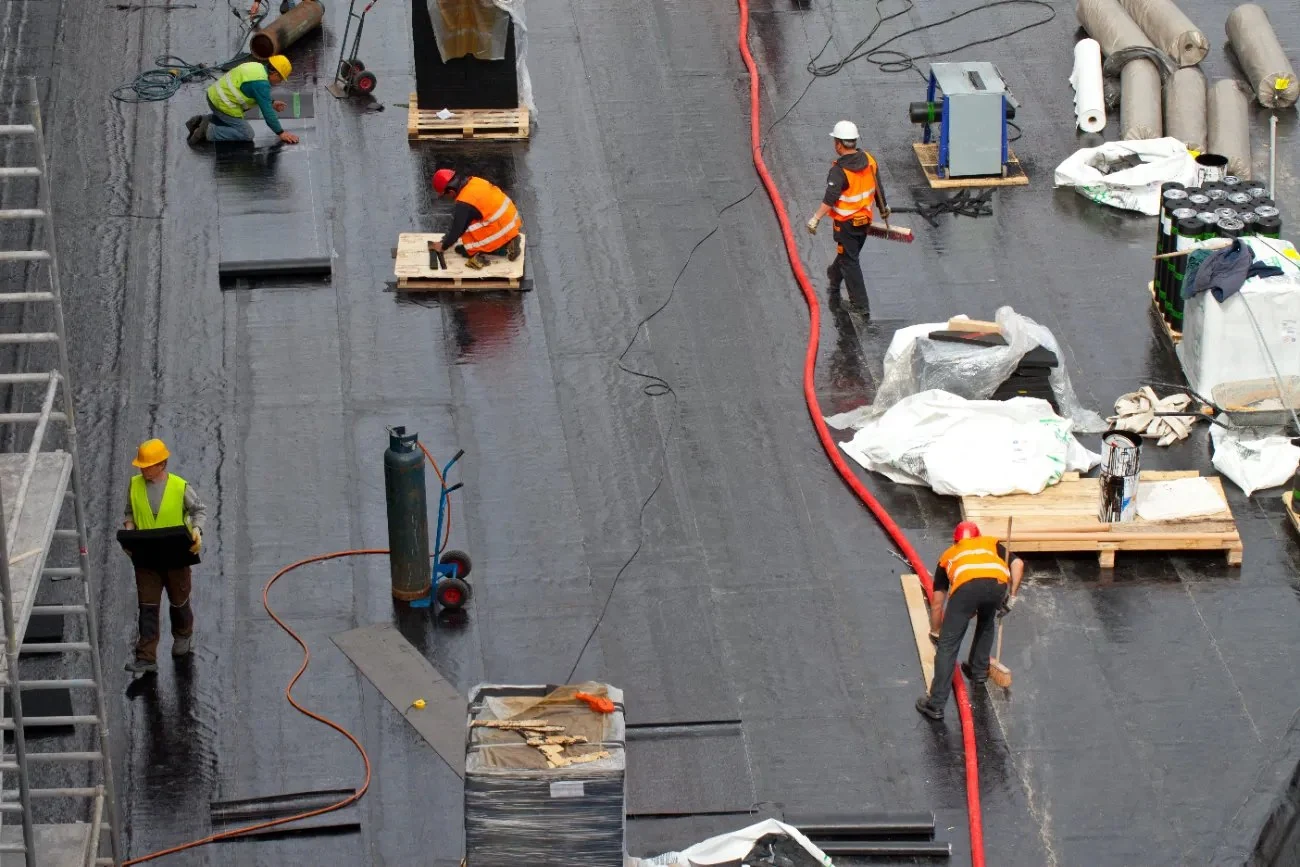
June through November is not a good window to leave a building partially dried-in longer than necessary. We sequence tear-off and replacement in sections, closing out each dried-in area before opening the next, so a surprise system moving through the Gulf never catches more roof open than we can protect same-day.
- Deck inspection and moisture survey before any tear-off begins
- Sectional tear-off, never the whole roof opened at once
- Wind-rated fastening pattern matched to the building's exposure category
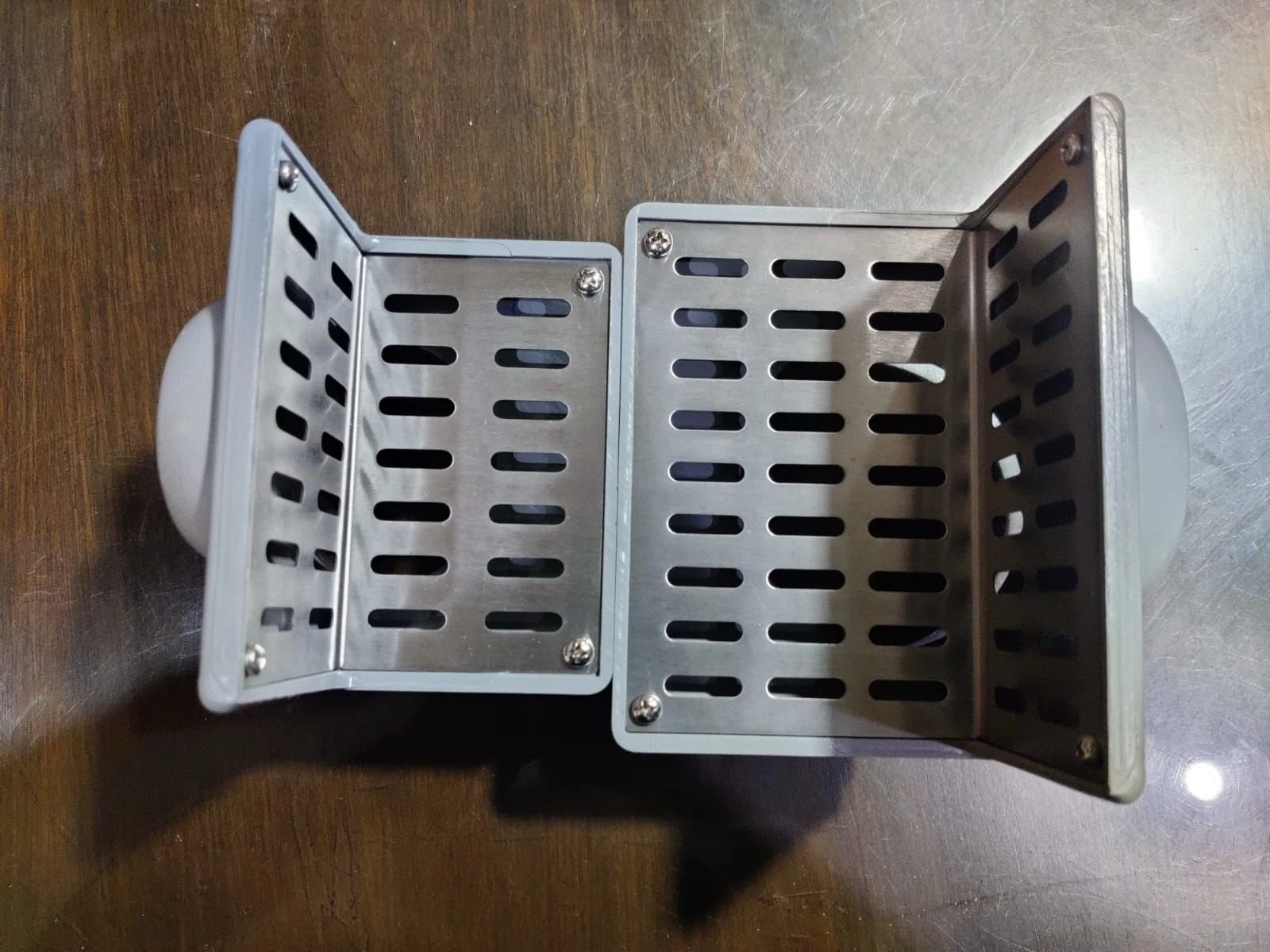
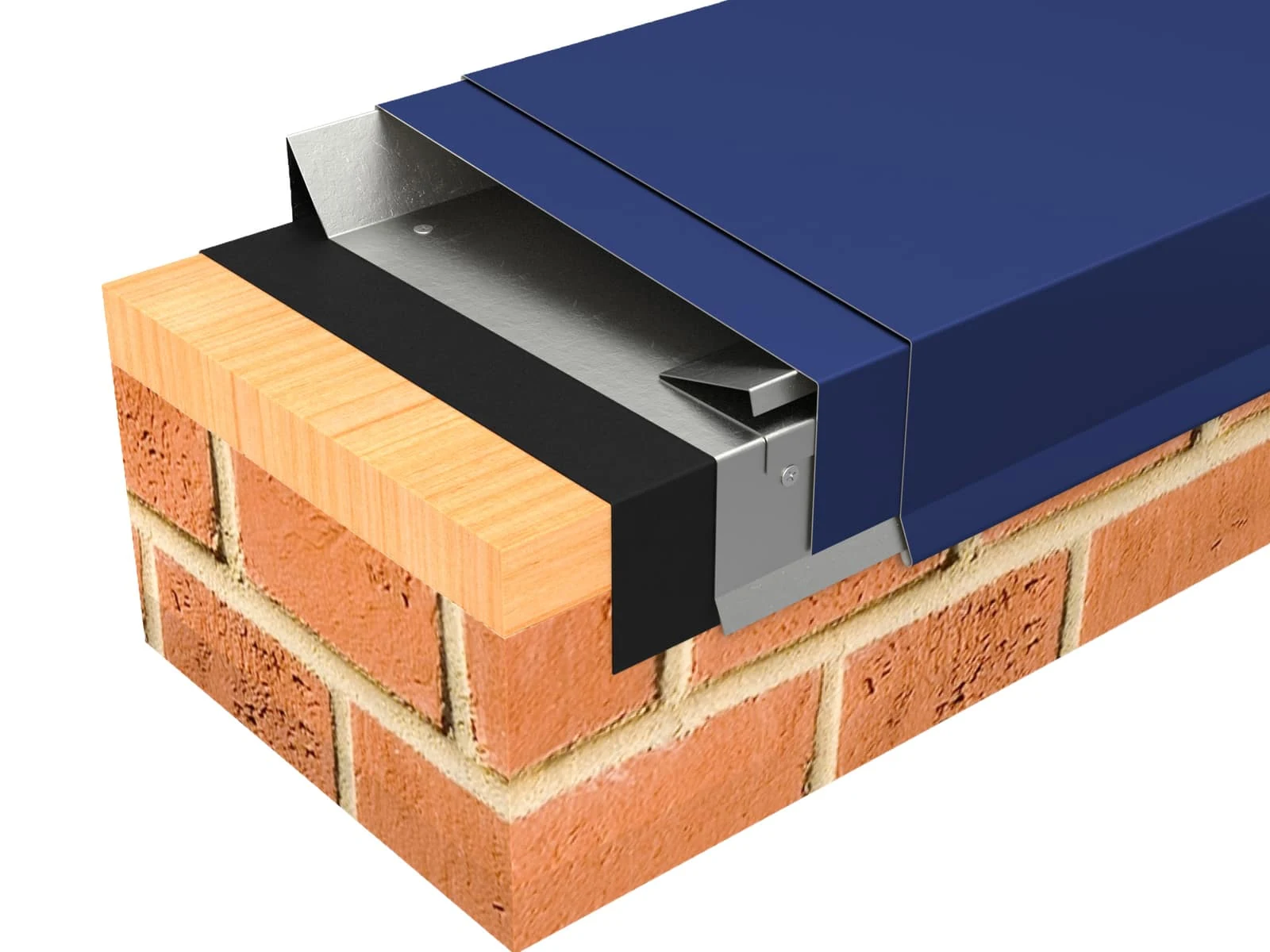
- New edge metal and flashing detail at every parapet and penetration
- Manufacturer inspection at closeout for warranty documentation
- Photo record of deck condition, insulation, and fastening for the owner's file
Wind Uplift and the Systems We Spec Here
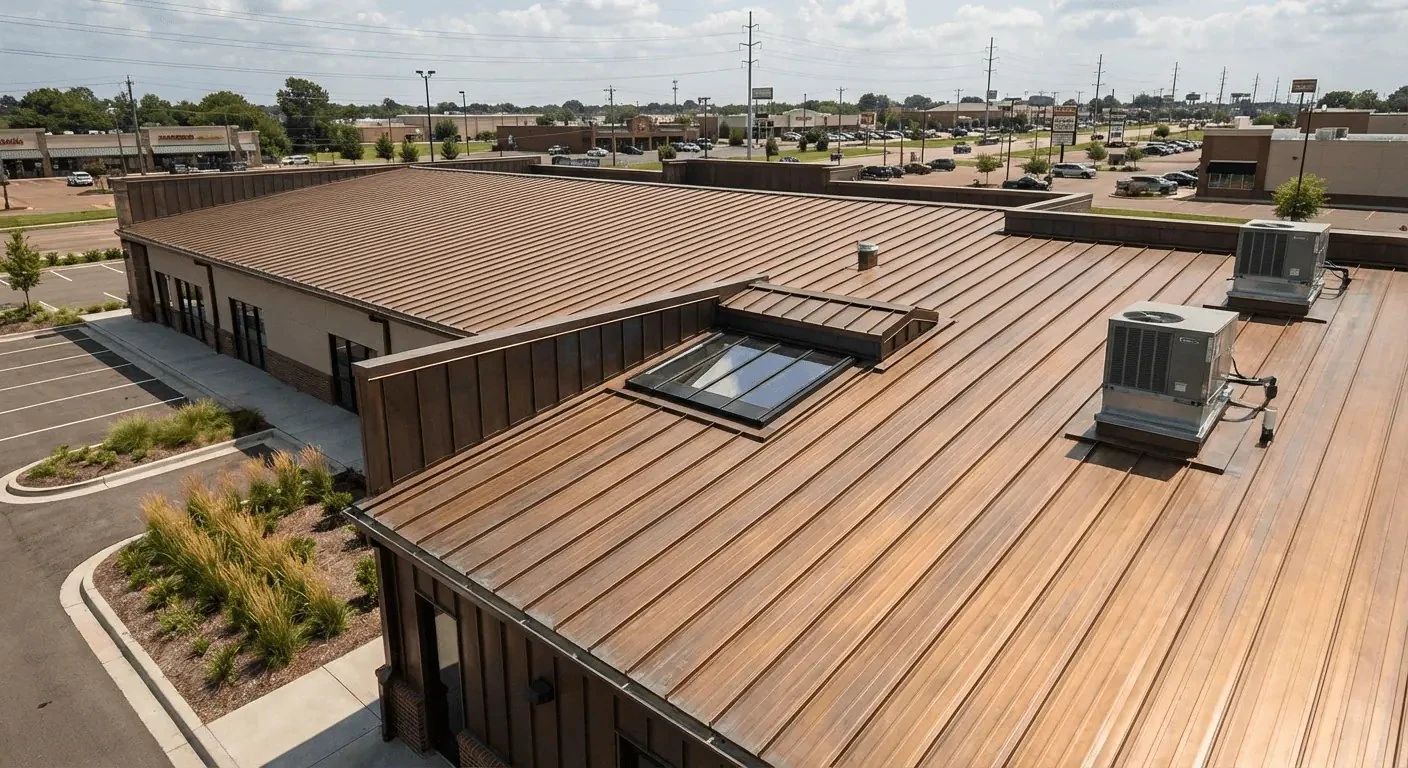
Mississippi's coastal counties sit in a higher wind zone than the interior of the state, and the fastening pattern that passes inspection in Hattiesburg won't necessarily hold up on a building three blocks from the beach in Gulfport. We spec mechanically attached and fully adhered systems based on the actual uplift pressures for that address, not a one-size pattern.
For port-adjacent industrial buildings and manufacturing space near the shipyards, we also weigh chemical exposure and foot traffic from maintenance crews into the membrane choice, since a system that handles wind load poorly under added mechanical wear defeats the purpose of the upgrade.
Casino, Hotel, and Port Properties Carry Different Risk
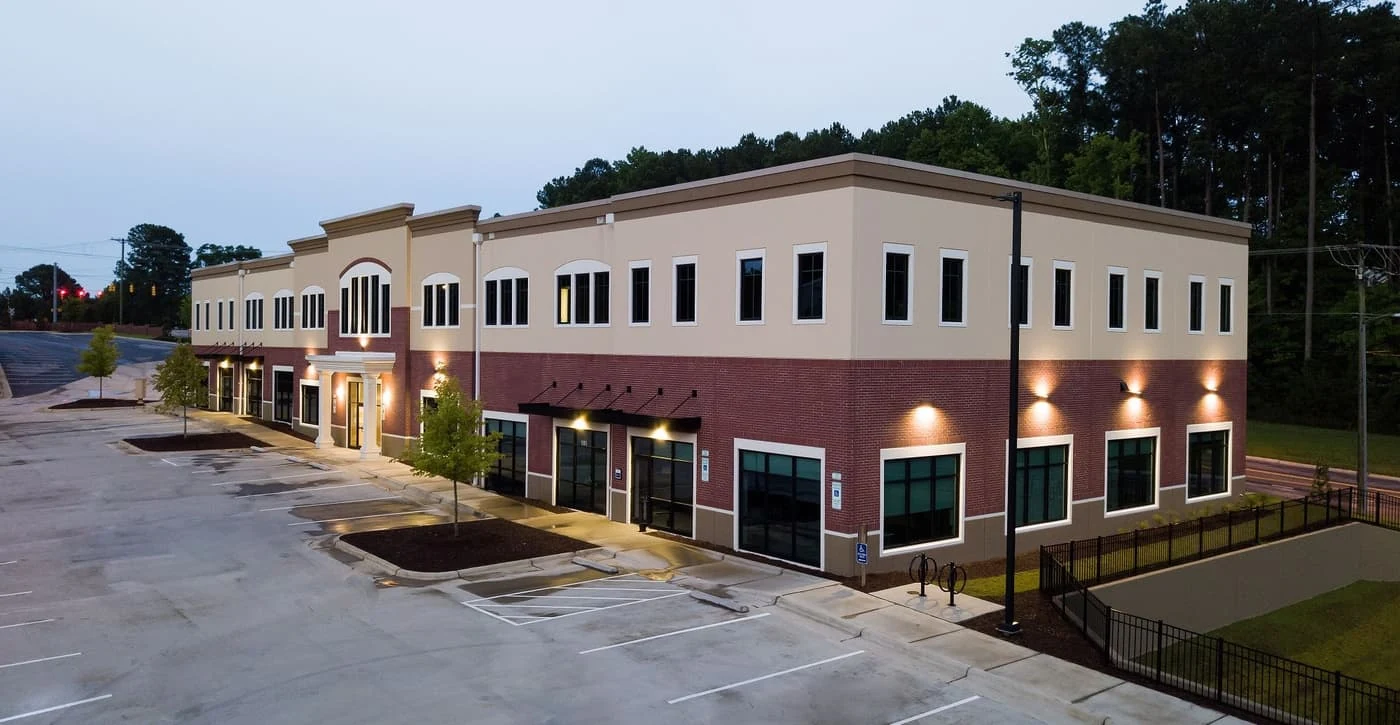
A hospitality roof over occupied guest rooms and gaming floors can't tolerate an open deck overnight, so re-roofing on those properties runs on a tighter, better-staged schedule with more temporary protection built into every phase. Industrial and warehouse roofs near the State Port have more flexibility on timing but often carry heavier mechanical loads and older, harder-to-match penetrations that need custom flashing work.
We scope each re-roof against what the building actually does, not a generic checklist, because a distribution warehouse and a beachfront hotel fail in different ways and need different answers.
Budgeting for a Full Re-Roof Ahead of Storm Season
Owners who wait until a roof is actively failing to start budgeting a re-roof usually end up making the decision under worse conditions, a leak that's already damaging interior finishes, or a season already underway with material lead times stretched thin. We recommend getting a full condition assessment and rough budget number a year ahead of the planned work, so financing, tenant coordination, and scheduling can happen on the owner's timeline instead of a crisis timeline.
Material and labor availability on the coast tightens noticeably in the run-up to and aftermath of hurricane season, when every commercial roofer in the region is fielding both storm repair calls and planned replacement work. Locking in a re-roof date in late winter or early spring, before that demand spike, generally gets a project done faster and with more contractor attention than trying to schedule one in August.
Questions Owners Ask Before Committing to a Full Re-Roof
How long does a full commercial re-roof take on a Gulfport building?
It depends on size and how the work is sectioned, but a mid-size low-slope roof typically runs a few weeks when staged properly. We build the schedule around keeping the building dried-in at the end of every work day, which sometimes adds days but protects the interior.
Can we stay operational during a re-roof?
Most commercial re-roofs on occupied buildings proceed with the business open. We coordinate loading, noise, and access with building management and stage work to limit disruption to specific zones at a time.
Will a new roof lower our wind insurance premium?
A new, code-compliant wind-rated system is generally viewed favorably by insurers, but premium outcomes are set by the carrier and the Mississippi Windstorm Underwriting Association's own criteria, not by us. We provide the documentation your agent needs to make that case.
Do you tear off down to the deck every time?
Not automatically. If the deck inspection shows dry insulation and a sound deck, a recover can be appropriate. We walk owners through the inspection findings before recommending either path.
What happens if a storm is forecast mid-project?
We monitor the tropical outlook throughout hurricane season and can accelerate dry-in or pause new tear-off sections ahead of an approaching system. Every open section gets temporary protection rated to hold through a wind event if timing runs tight.