PVC Single-Ply Roofs Near the Mississippi Sound
PVC costs more than TPO up front, and on most retail and office roofs that price difference is hard to justify. On a casino kitchen exhaust roof, a restaurant row along US-90, or an industrial building near the shipyards handling solvents and chemicals, that same price difference buys resistance TPO and EPDM simply do not have, which is why PVC keeps showing up on our recommendations for a specific slice of this market.
Grease and Chemical Exposure Change the Math
Kitchen exhaust fans are a constant presence on casino resort roofs, and grease-laden air condensing on a membrane over years will soften and degrade a standard TPO sheet faster than most owners expect. PVC's plasticizer chemistry gives it meaningfully better resistance to oils, greases, and a range of industrial chemicals, which is why we steer casino food-service structures and restaurant standalone buildings toward PVC even when it costs more per square than TPO.
The same logic applies to buildings tied to the shipbuilding and port economy, where rooftop exposure to fuel vapor, solvents, or industrial runoff is a real possibility rather than a theoretical one. A membrane that degrades under that exposure is a membrane an owner will be replacing years ahead of schedule.
Owners sometimes push back on the upfront cost difference until we walk through what a premature membrane replacement actually looks like on a working kitchen roof - shutting down exhaust access, coordinating around a restaurant's operating hours, and paying for a second full installation years earlier than a properly specified system would have required. Once that comparison is on the table, PVC's cost premium reads less like an upsell and more like avoided disruption.
Heat-Welded Seams Built for Wind and Weather
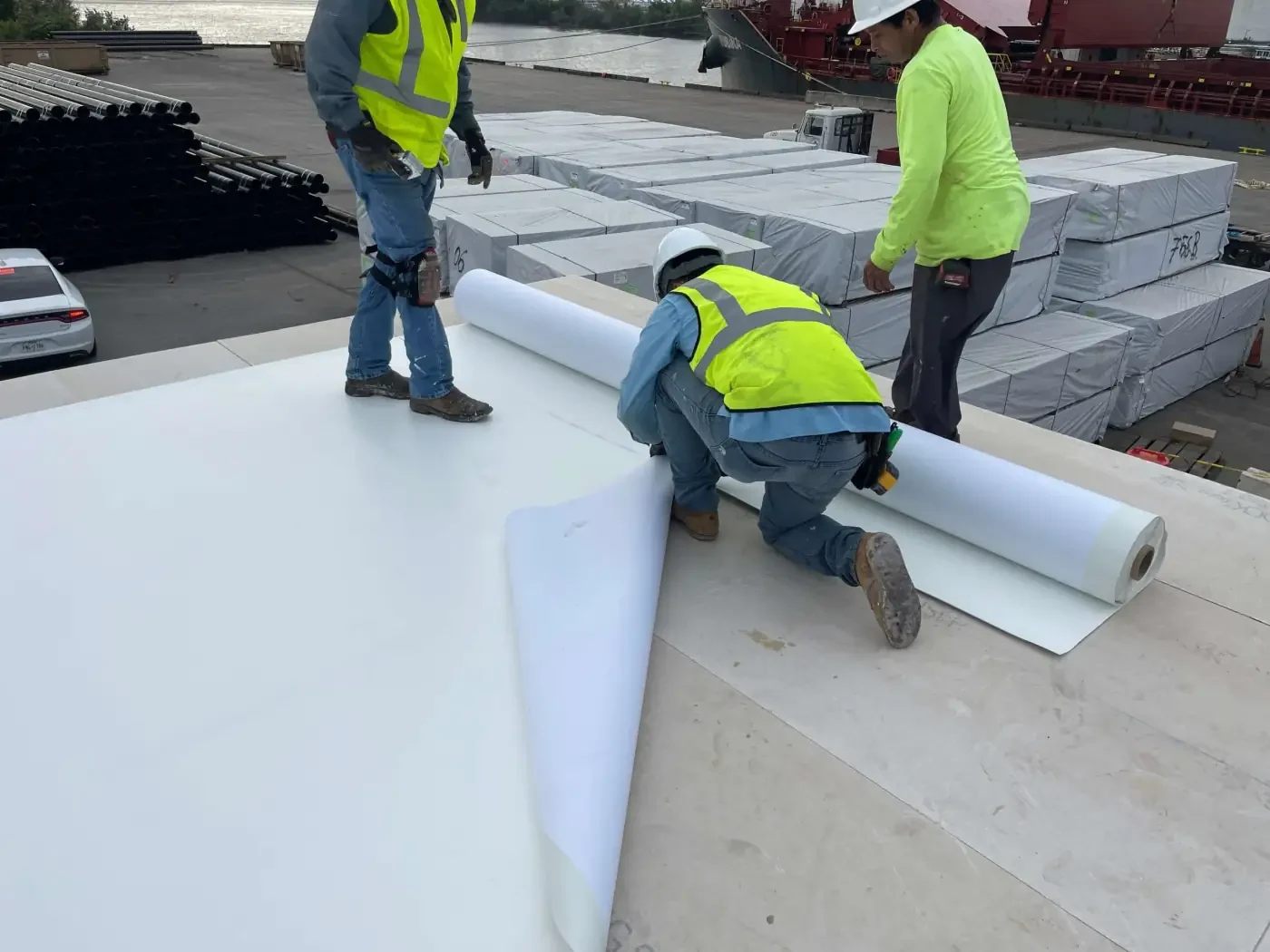
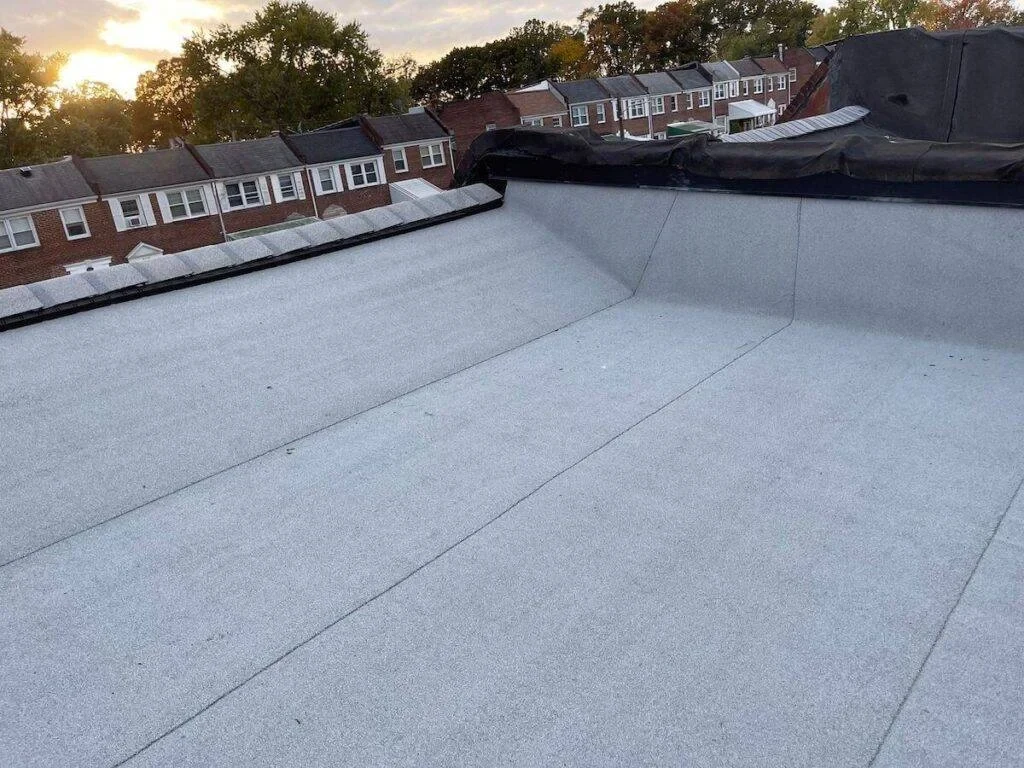
PVC seams weld the same way TPO seams do, with hot air fusing adjacent sheets into a continuous membrane rather than relying on adhesive or tape. Done correctly, that weld is often stronger than the membrane material itself. We probe-test every seam during installation, and on this coast that testing happens with humidity in mind, since surface moisture at the time of welding is the most common cause of a seam that looks fine at handoff and opens within a year.
PVC's flexibility at lower temperatures also matters less here than it would farther north, but its dimensional stability against thermal cycling is still relevant given how much a Gulfport roof surface swings between a hot afternoon and an evening thunderstorm.
Wind Uplift Performance for Exposed Buildings
PVC systems come in mechanically attached, induction-welded, and fully adhered configurations, and the choice depends on the building's height, exposure category, and proximity to open water. Waterfront hotel and casino properties along the beach see higher uplift pressures than a warehouse set back along Highway 49, and the fastening pattern gets engineered accordingly rather than defaulted to a single standard spec across every job. Corner and perimeter zones on any beachfront structure get extra fastener density regardless of what the field pattern calls for, since that is where uplift pressure concentrates first when a storm makes landfall.
Where PVC Earns Its Cost Premium
PVC is not our default recommendation across the board - for a straightforward retail box with no unusual exposure, TPO usually delivers similar performance for less money. Where PVC consistently pays for itself is on buildings with a specific chemical, grease, or exposure profile.
- Casino and hotel kitchen exhaust and food-service roof areas
- Standalone restaurant buildings along US-90 and the beachfront
- Industrial buildings with solvent, fuel, or chemical rooftop exposure
- Rooftop areas near heavy HVAC or process exhaust
- Buildings where the owner wants the longest practical service life on a demanding roof
Maintenance in a Salt Air, High-Humidity Climate
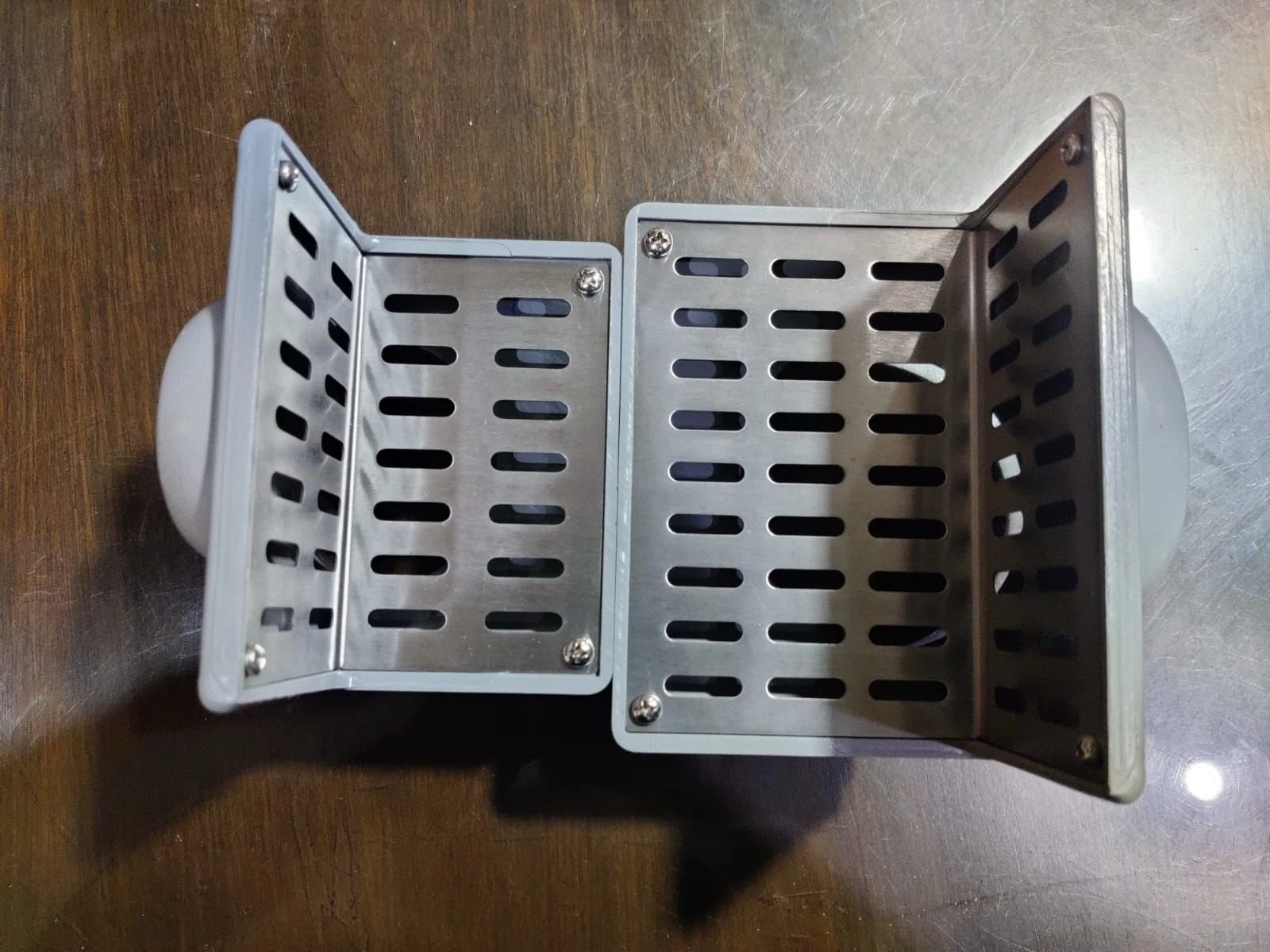
PVC holds up well against UV and salt air, and its resistance to biological growth is generally better than EPDM's on shaded or low-slope sections. The maintenance items we watch are the same ones that matter on any single-ply system here - drain and scupper capacity, edge metal condition, and penetration seals - plus a closer look at grease trap and exhaust fan areas where the original exposure risk that justified PVC in the first place is still present.
On casino properties specifically, we schedule kitchen-area roof inspections more frequently than the rest of the building, since exhaust fan drift and grease buildup happen faster there than anywhere else on the roof.
Questions We Get About PVC Roofing
Is PVC worth the extra cost over TPO for a standard warehouse?
Usually not, unless the building has a specific chemical or grease exposure. For a typical distribution warehouse without unusual rooftop conditions, TPO generally delivers comparable performance at a lower cost.
Can PVC be installed over an existing grease-contaminated roof?
The existing membrane and any contaminated insulation usually need to be removed rather than recovered, since grease contamination can compromise adhesion and insulation performance underneath a new system.
How does PVC hold up in hurricane-force wind?
Properly engineered PVC systems, whether mechanically attached or fully adhered, carry strong wind uplift ratings when the fastening pattern matches the building's exposure category and height.
Does PVC need different maintenance than TPO?
The core inspection points are similar, but PVC roofs with kitchen or industrial exposure need closer attention to grease and chemical residue buildup that would not be a concern on a standard retail roof.
How long does PVC last on a Gulf Coast casino roof?
Twenty years or more is achievable with proper installation and regular inspection, though heavy kitchen exhaust exposure can shorten that if grease buildup is not addressed as part of routine maintenance.