Drainage Capacity for a Market That Gets Tropical Downpours
A flat roof doesn't fail from rain volume alone, it fails when that volume can't get off the roof fast enough. Gulfport's summer thunderstorms and tropical rain bands can drop more water in an hour than a drainage system sized for a milder climate was ever built to handle.
Why Drainage Sizing Matters More Here Than in Most Markets
Rainfall intensity, more than annual totals alone, is what determines whether a roof drain or scupper system keeps up during a storm. A system sized off a generic national standard can be technically code-compliant and still undersized for the rainfall rates this stretch of the Gulf Coast actually experiences during tropical rain bands and summer squalls.
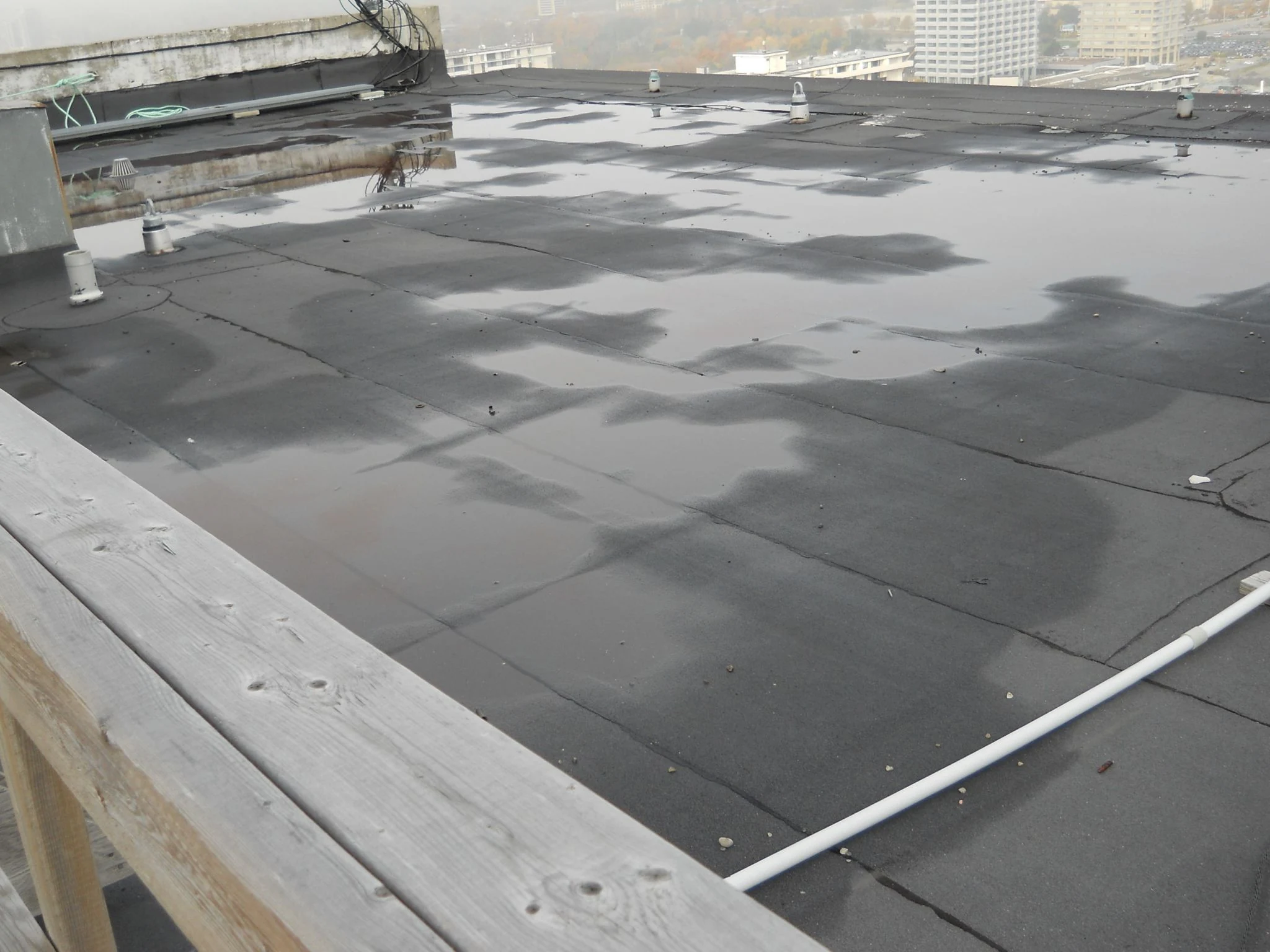
Undersized or blocked drainage during a heavy rain event backs water up across the roof surface, adding structural load and putting sustained pressure on every seam in the ponded area. On older buildings with roof drains that were adequate decades ago but never re-evaluated, that gap between design capacity and actual rainfall can be significant.
A tropical system doesn't have to make direct landfall here to test a roof's drainage capacity. Slow-moving rain bands that stall over the coast can drop sustained rainfall for hours at a rate that overwhelms a marginal system well before wind ever becomes the primary concern for that building.
Drains Versus Scuppers: Different Systems, Different Failure Points
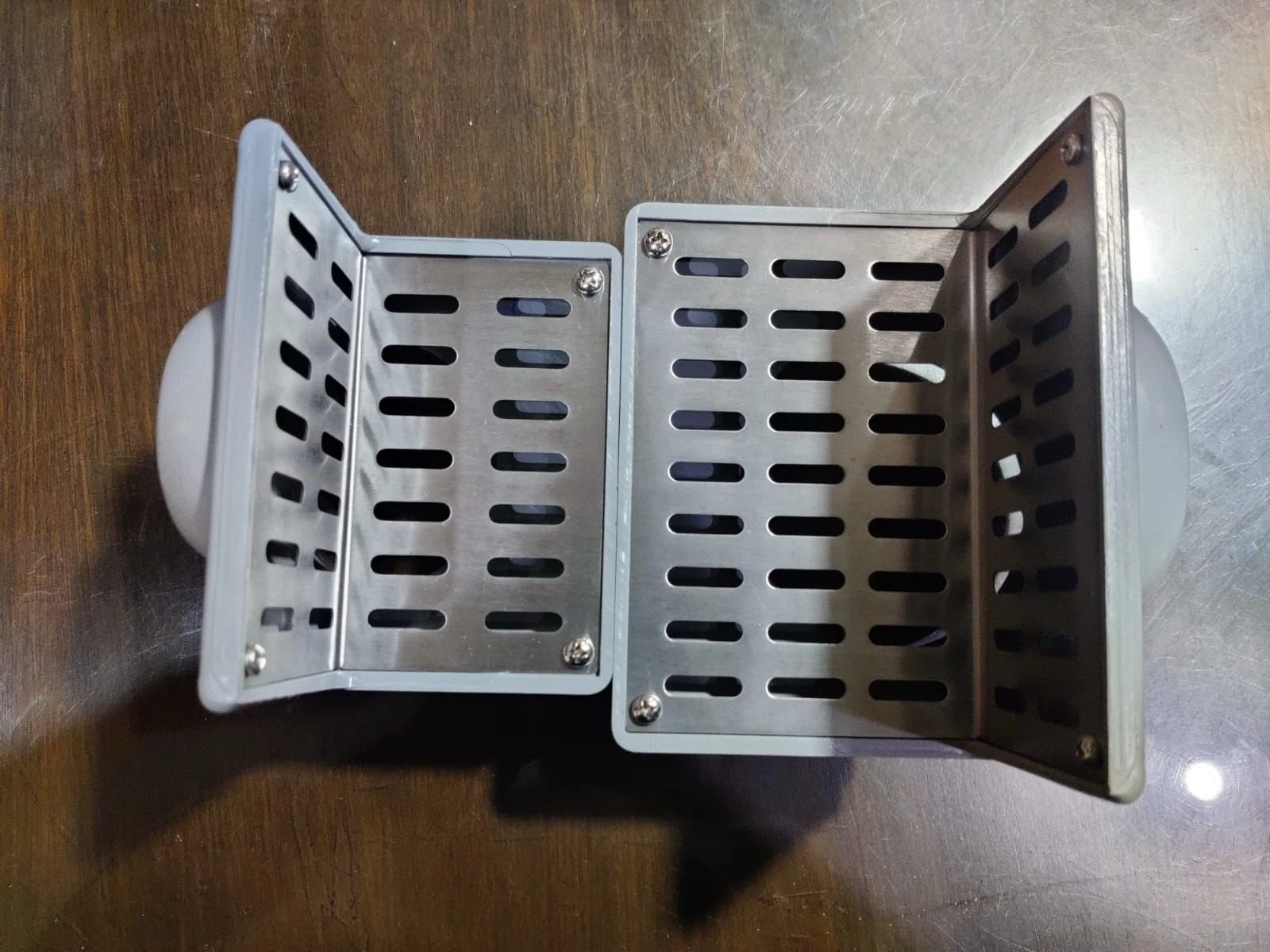
Interior roof drains rely on a below-deck piping system that can clog or fail out of sight, so a drain that looks clear from the roof surface can still be backing up somewhere in the line. We check actual flow, beyond the visible strainer, when evaluating interior drains.
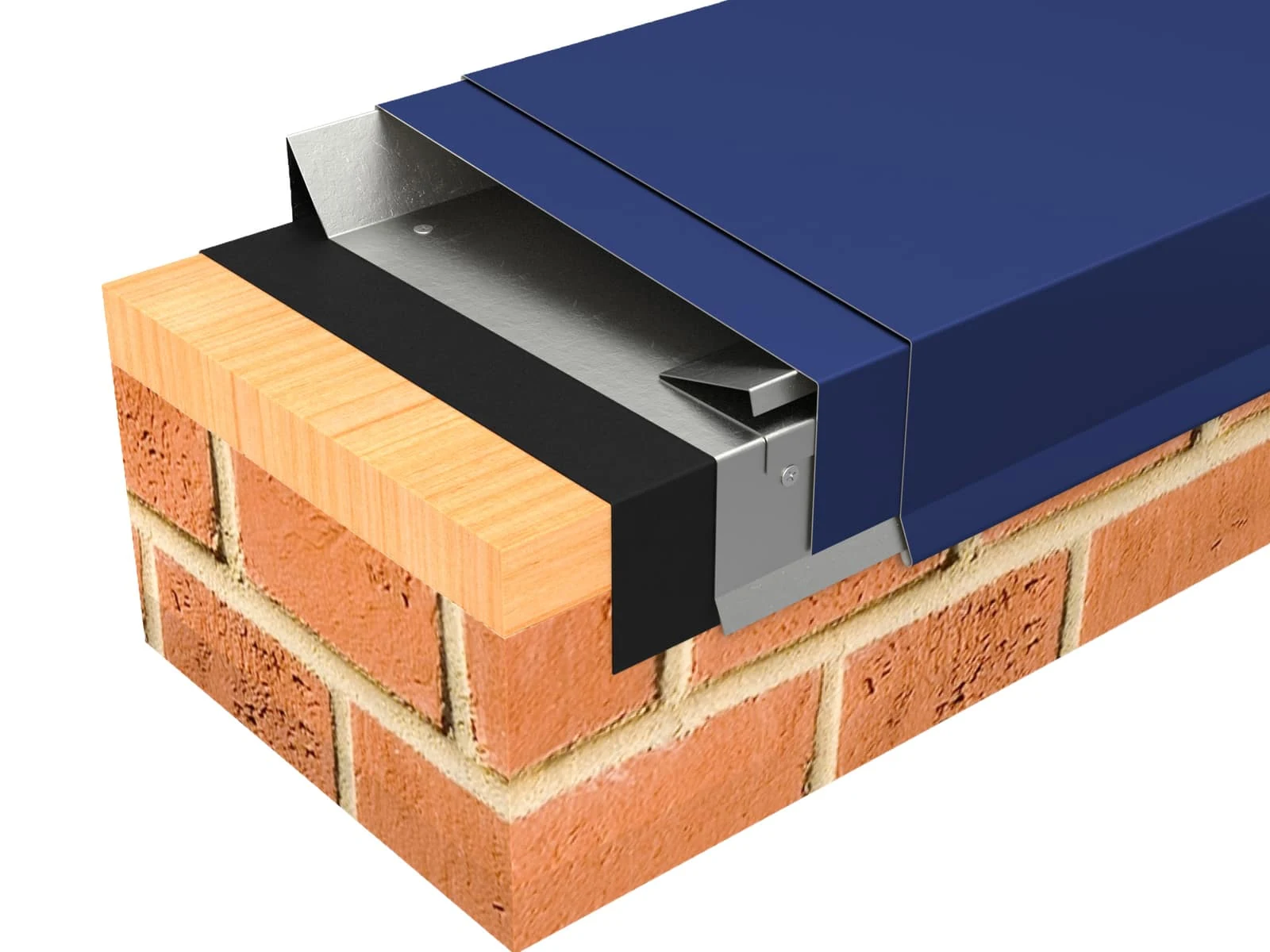
Scuppers move water off the roof edge directly and depend on being kept clear of debris and properly flashed where they penetrate the parapet wall. On buildings near tree cover or with heavier debris load from nearby industrial or shipping operations, scuppers clog faster than owners expect.
What We Check on Every Drainage Visit
- Strainer and drain bowl clearing at every roof drain
- Flow testing to confirm the below-deck line isn't backed up
- Scupper clearing and flashing inspection at the parapet penetration
- Ponding survey to identify low spots not draining properly
- Overflow drain or scupper function as a secondary safety check
- Gutter and downspout condition where roof drainage discharges at grade
Ponding Water: When It's a Problem and When It Isn't
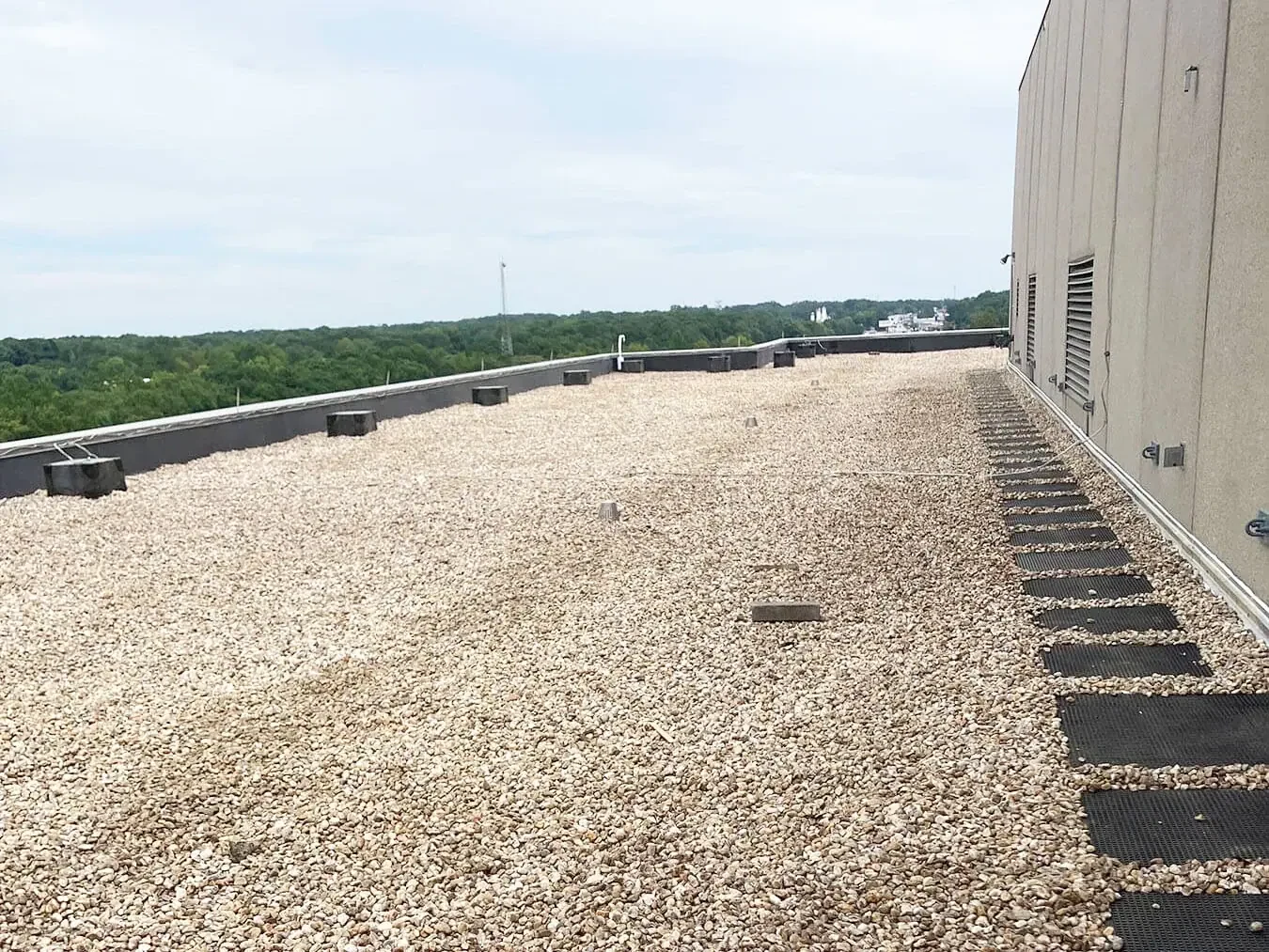
Some minor ponding after a heavy rain is common on flatter commercial roofs and isn't automatically a red flag. What matters is whether it clears within roughly 48 hours and whether the ponded area is growing over time, which usually points to a structural deflection issue rather than a simple drainage fix.
We track ponding patterns across inspections rather than judging off a single rain event, since a roof's drainage performance during a slow, heavy tropical rain band tells a different story than during a fast-moving afternoon storm.
Upgrading Undersized Drainage
On buildings where inspection shows drainage capacity genuinely undersized for the roof area and this market's rainfall intensity, we scope adding drains, upsizing scuppers, or re-grading the insulation to route water to drainage points more efficiently. This is often addressed during a full re-roof, when the insulation layer is already being replaced and re-sloping is far more practical than retrofitting an occupied roof.
Debris Load From Nearby Industrial and Port Operations
Roofs closer to the harbor and the shipbuilding and port corridor tend to collect more airborne debris and sediment than a retail roof set back from that activity, and that debris finds its way to drains and scuppers faster than owners expect. We see strainers on these buildings needing clearing on a shorter interval than a comparable roof a few miles inland, simply because of what's blowing across the roof surface on a given day.
For manufacturing and warehouse properties in that corridor, we factor debris load into the drainage maintenance interval we recommend, rather than applying the same generic schedule across every building type and location in an owner's portfolio.
Drainage Questions Owners Ask
How do I know if my roof drains are undersized?
Signs include ponding that takes longer than 48 hours to clear, water backing up at drains during heavy rain, or a roof drain system that hasn't been evaluated since the building was originally constructed. We assess actual capacity against current rainfall intensity data for this market.
How often should scuppers be cleared?
At minimum, ahead of hurricane season and after any storm that brings significant debris. Buildings near tree cover or industrial areas often need more frequent clearing.
Can clogged drains cause structural damage?
Sustained ponding from clogged drains adds significant weight to a roof structure and puts continuous pressure on seams below the water line, and in severe cases can contribute to structural deflection over time. It's a genuinely serious issue, well beyond a cosmetic one.
Do overflow scuppers matter if my roof already has interior drains?
Yes, overflow scuppers are a secondary safety measure for when primary drains can't keep up during an intense rain event, and many code requirements call for both systems working together, not either alone.
Is drainage capacity checked during a normal roof inspection?
Yes, drain and scupper function is part of every inspection we perform, since it's one of the most common contributors to leaks and premature membrane failure on flat commercial roofs.