Recover Roofing Instead of Tear-Off on the Coast
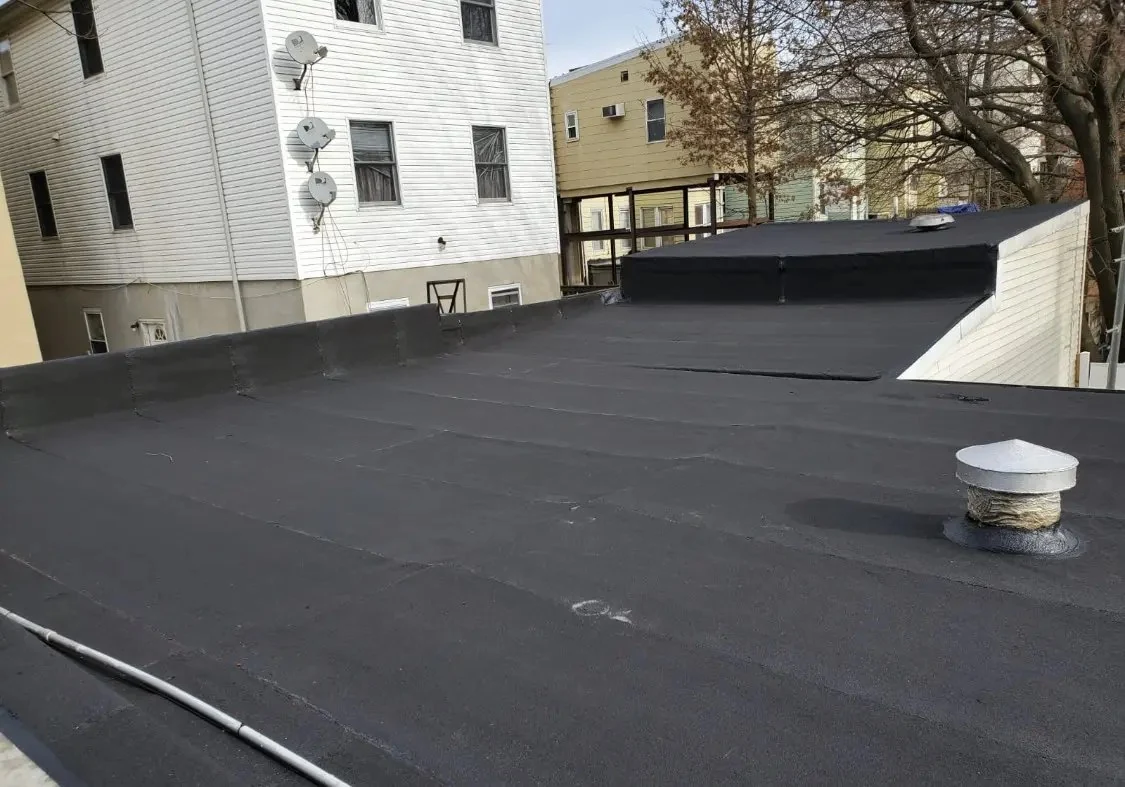
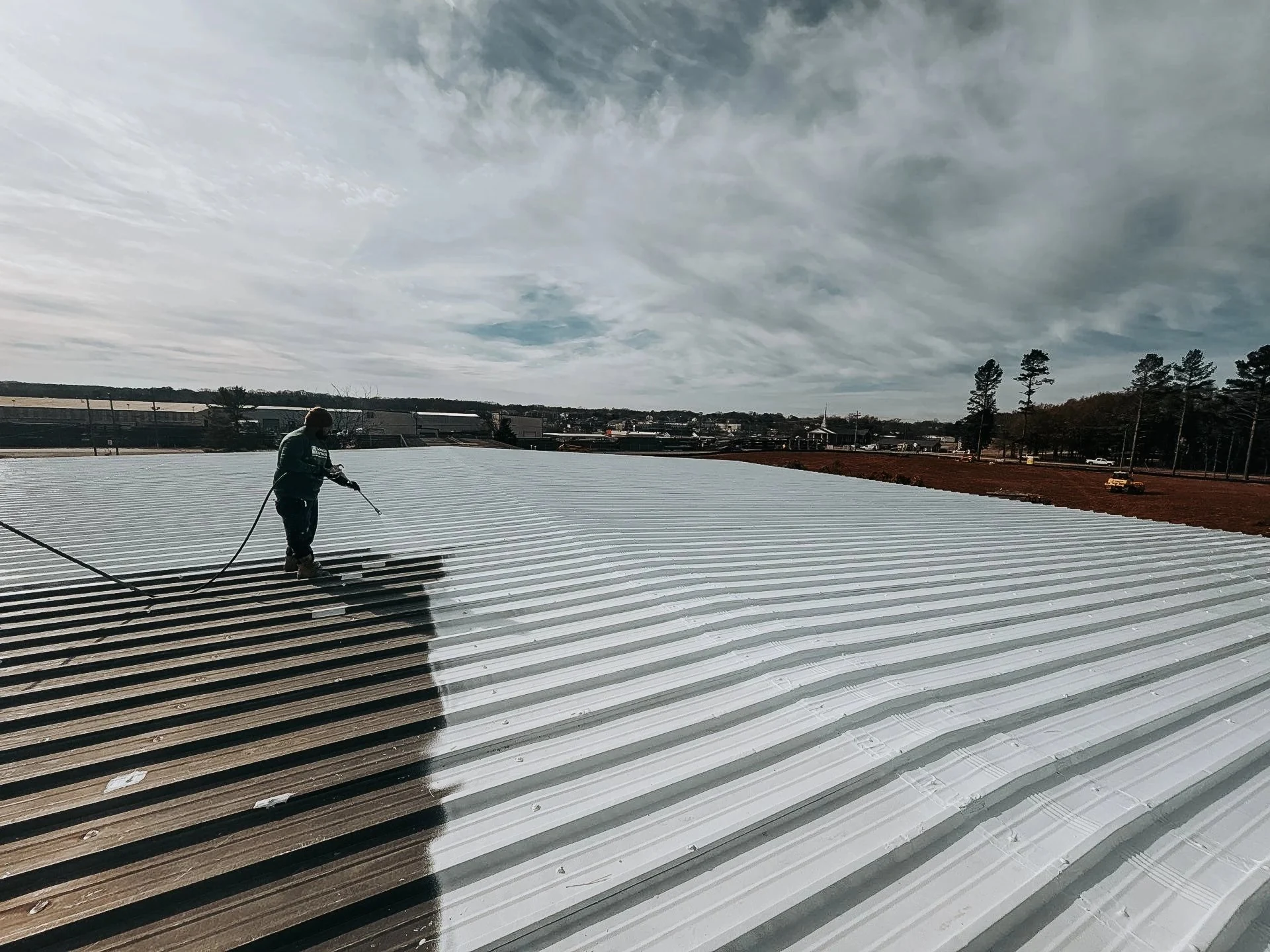
Recover is the question behind almost every roofing conversation we have with an owner facing a capital budget decision - can the new system go over what is already up there, or does the whole roof have to come off first. On this coast, where deferred roofing decisions carry real hurricane risk, getting that answer right matters more than almost anywhere else.
What Actually Determines Whether Recover Is an Option
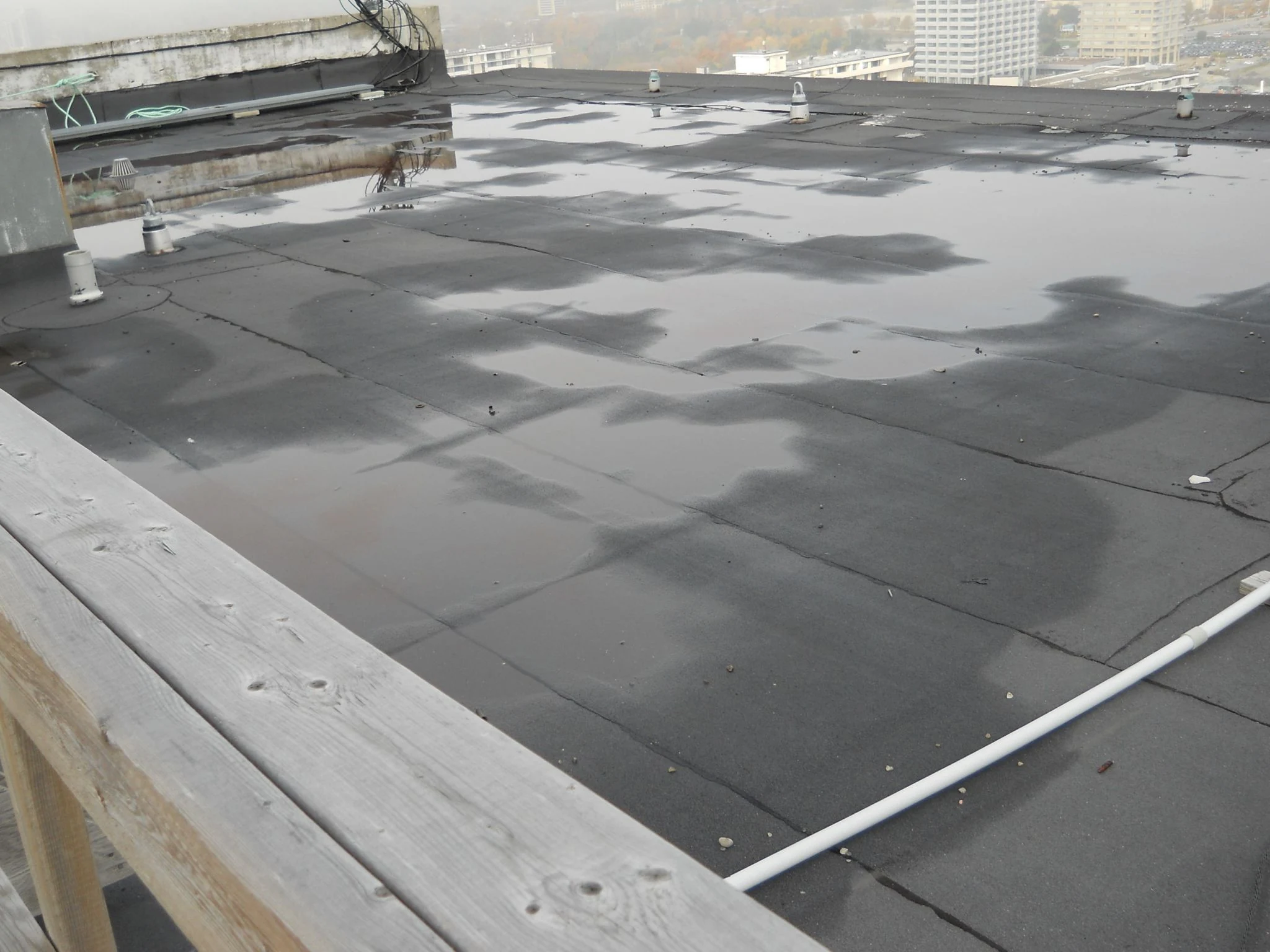
Deck moisture is the deciding factor before code, cost, or anything else gets discussed. If moisture has worked into the insulation or deck through years of small unaddressed leaks, installing a new membrane over that saturated substrate traps the problem rather than solving it, and the new roof fails from underneath within a few years regardless of how well it was installed on top. We run infrared or capacitance moisture scans before quoting a recover, not after, so an owner is not paying for a system installed over a problem that guarantees its own failure.
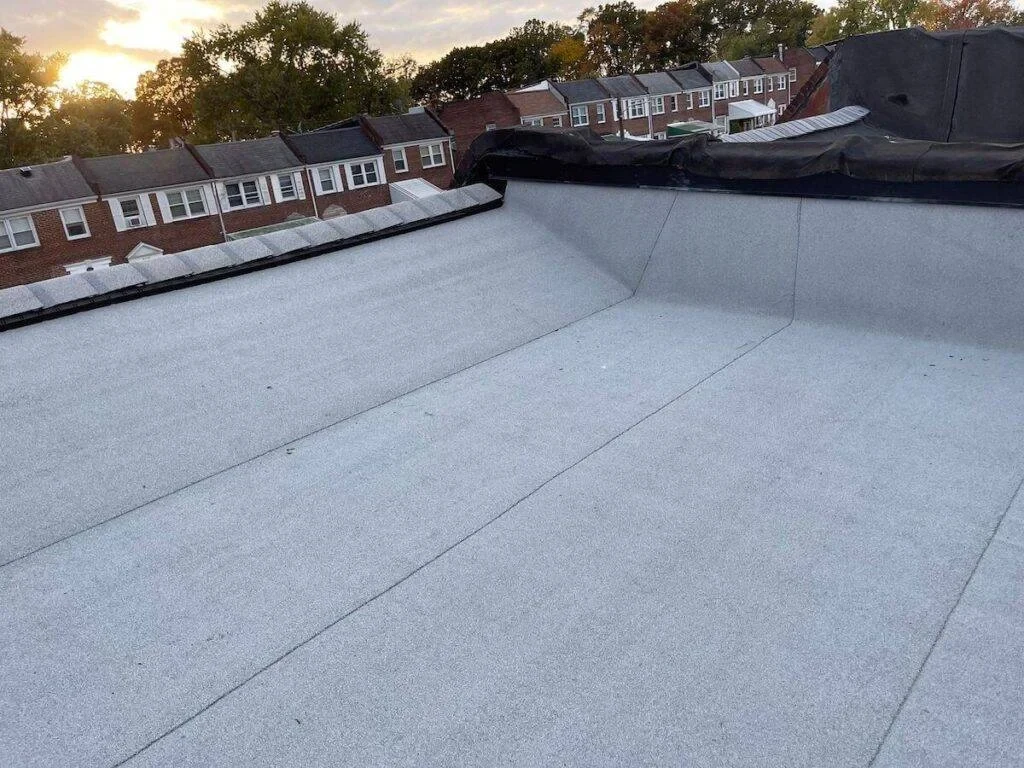
Assuming the deck tests dry, code layer limits come next. Most jurisdictions along the coast limit roofs to two membrane layers before a full tear-off is required, so a building that has already been recovered once may not have that option available a second time. We check the roof's history and existing layer count as part of the initial evaluation, since it changes the entire scope conversation before a number ever gets discussed.
The Financial Case for Recover
A recover typically costs a fraction of full tear-off and replacement, since it eliminates disposal costs, reduces labor time, and often avoids the deck and structural work a full replacement can uncover. For an owner managing a multi-property portfolio, or a school district or municipality working within a fixed capital budget, that difference can mean the choice between fixing one roof properly this year or spreading a thinner repair budget across three roofs that all need attention.
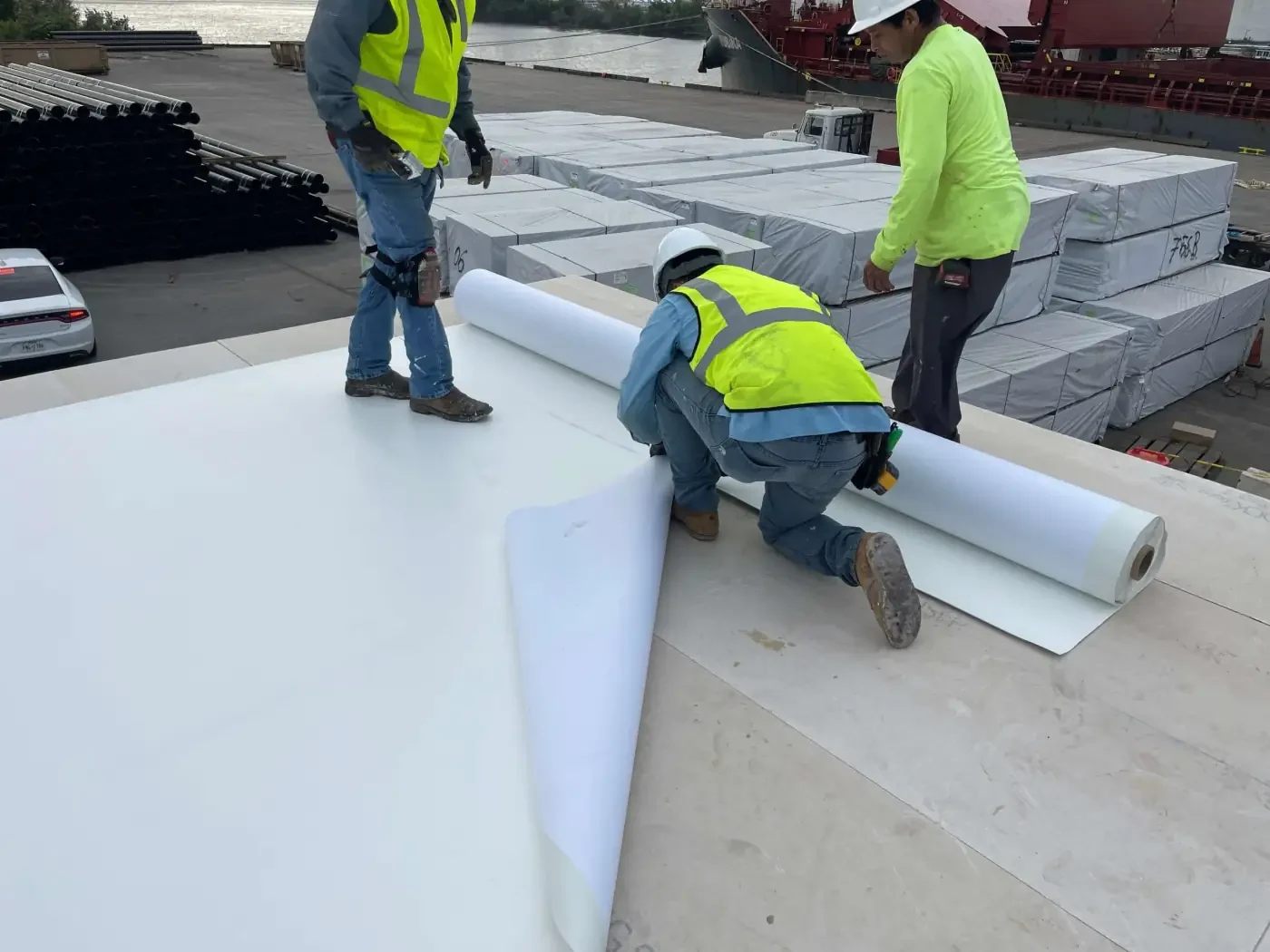
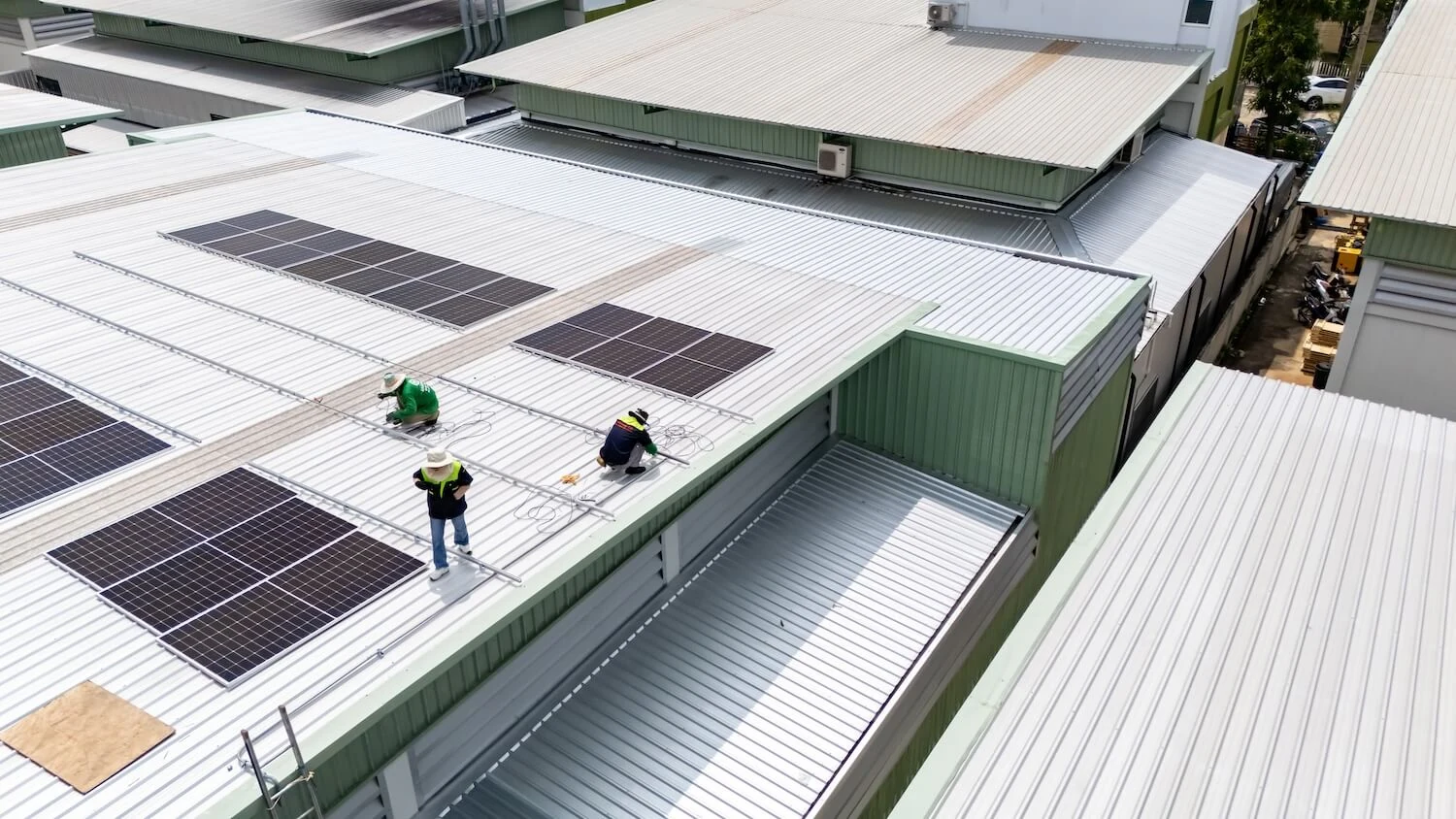
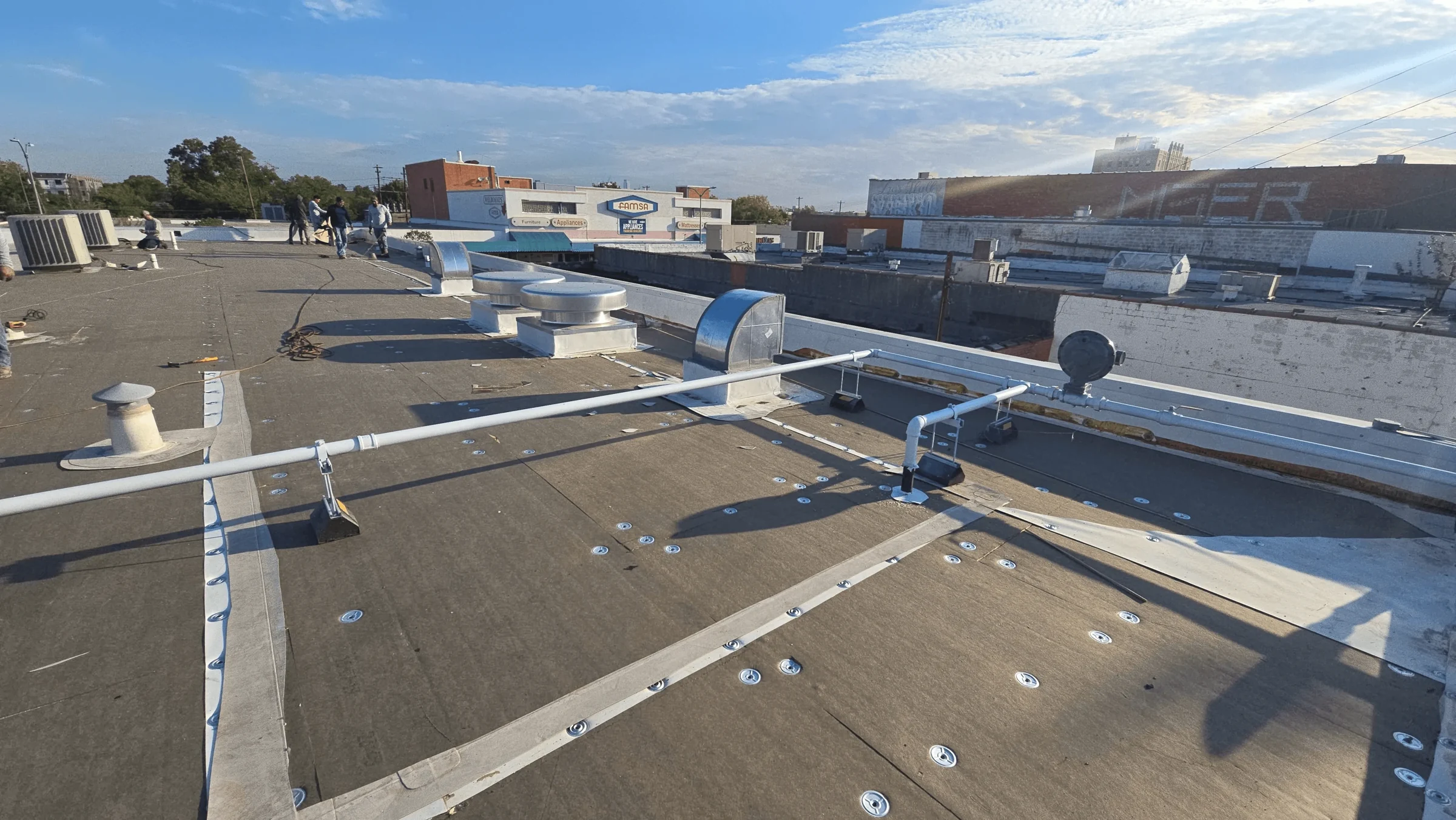
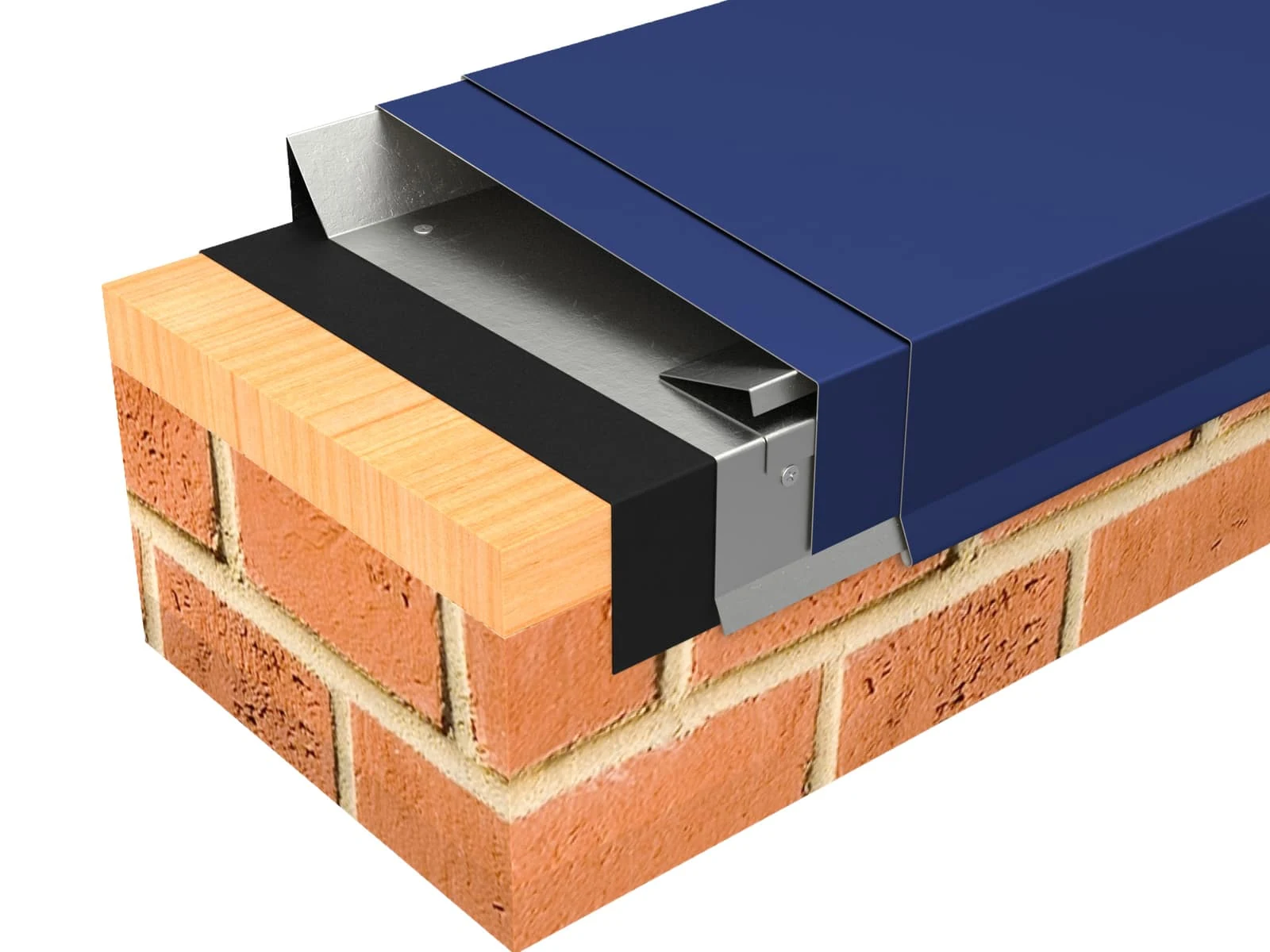
Recover also adds a layer of insulation in most cases, which improves the roof's wind uplift performance and can improve energy performance at the same time - a real advantage on this coast, where both hurricane wind resistance and cooling load are constant considerations for an owner.
When Recover Is the Wrong Call
We turn down recover jobs when the numbers do not support them, even when an owner is hoping to avoid the bigger tear-off expense. Wet insulation, a deck that has already reached maximum code layers, or storm damage significant enough to have compromised the deck structurally all point toward tear-off as the only durable answer. Recovering over a genuinely compromised roof does not save money in the long run - it just delays a larger expense while adding the cost of the recover itself on top.
Post-hurricane damage assessment is its own category. A roof that took wind or debris damage during a named storm needs a structural evaluation before recover gets discussed at all, since surface damage from a storm can mask deeper deck or fastening issues that a quick visual inspection would miss entirely.
How We Evaluate a Recover Candidate
Every recover evaluation follows the same sequence, regardless of the building type or existing membrane, because skipping a step is how an owner ends up with a new roof installed over a problem that should have been caught first.
- Moisture scan of the existing deck and insulation across the full roof
- Layer count review against current code maximums for the jurisdiction
- Structural load check for the added weight of a new membrane and insulation
- Drainage assessment to confirm slope will still function after the recover
- Wind uplift calculation for the completed recover assembly, not only the new top layer
Recover on Buildings That Cannot Go Offline
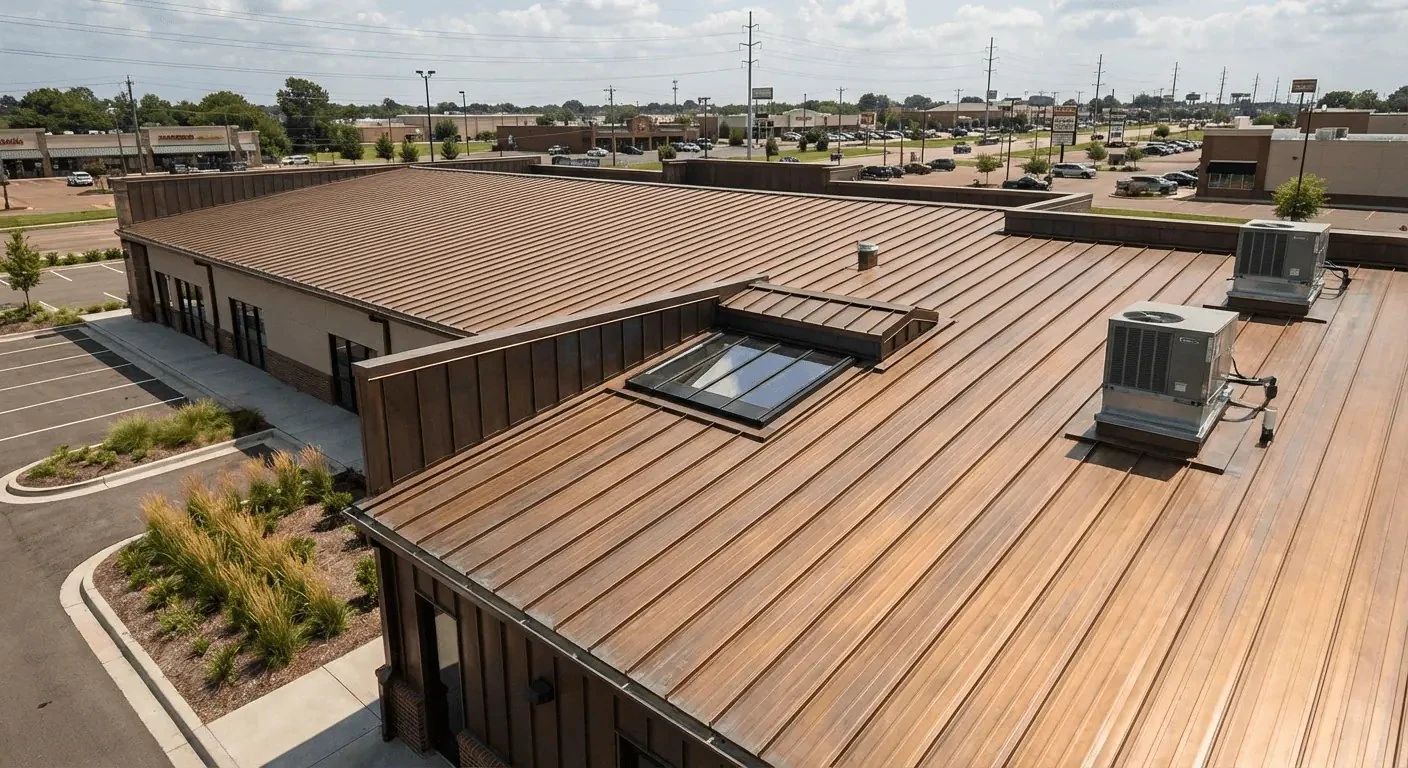
Casino, hotel, and hospital properties along this coast rarely have the option to fully vacate a building for roofing work, and recover is often the more practical path for exactly that reason - it generates less debris, less noise, and less disruption than a full tear-off. We sequence recover work in sections on occupied buildings so the roof is never fully exposed to weather at once, which matters during hurricane season when an incomplete tear-off left open overnight is its own liability.
Questions We Get About Roof Recover and Overlay
How do I know if my roof already has too many layers for another recover?
We review roofing permit history where available and confirm layer count with a core sample, since building records do not always reflect every recover performed over a roof's history.
Does a recover roof perform as well in hurricane wind as a full tear-off replacement?
When properly engineered, yes - the fastening and insulation attachment for the completed recover assembly gets calculated for current wind uplift requirements, not only the new top layer in isolation.
Can a roof be recovered right after storm damage?
Only after a structural evaluation confirms the deck was not compromised. Storm damage sometimes requires tear-off even on a roof that would otherwise have been a good recover candidate.
Is recover always cheaper than tear-off and replacement?
Almost always in direct project cost, though that advantage disappears if wet insulation or deck damage is discovered mid-project and forces a switch to tear-off after work has already started - which is why we test moisture before quoting, not after.
Does a recover extend the life of the whole roof system or just the surface?
A properly executed recover, over a dry deck within code layer limits, extends the functional life of the entire assembly, not merely a cosmetic surface refresh.