Repairing What a Gulf Storm Actually Does to a Commercial Roof
Wind damage on a low-slope commercial roof doesn't always look dramatic from the ground. A section of lifted membrane at a parapet or a piece of edge metal peeled back at the corner can look minor and still be letting water into the building every time it rains after the storm.
How Wind Actually Damages a Low-Slope Roof
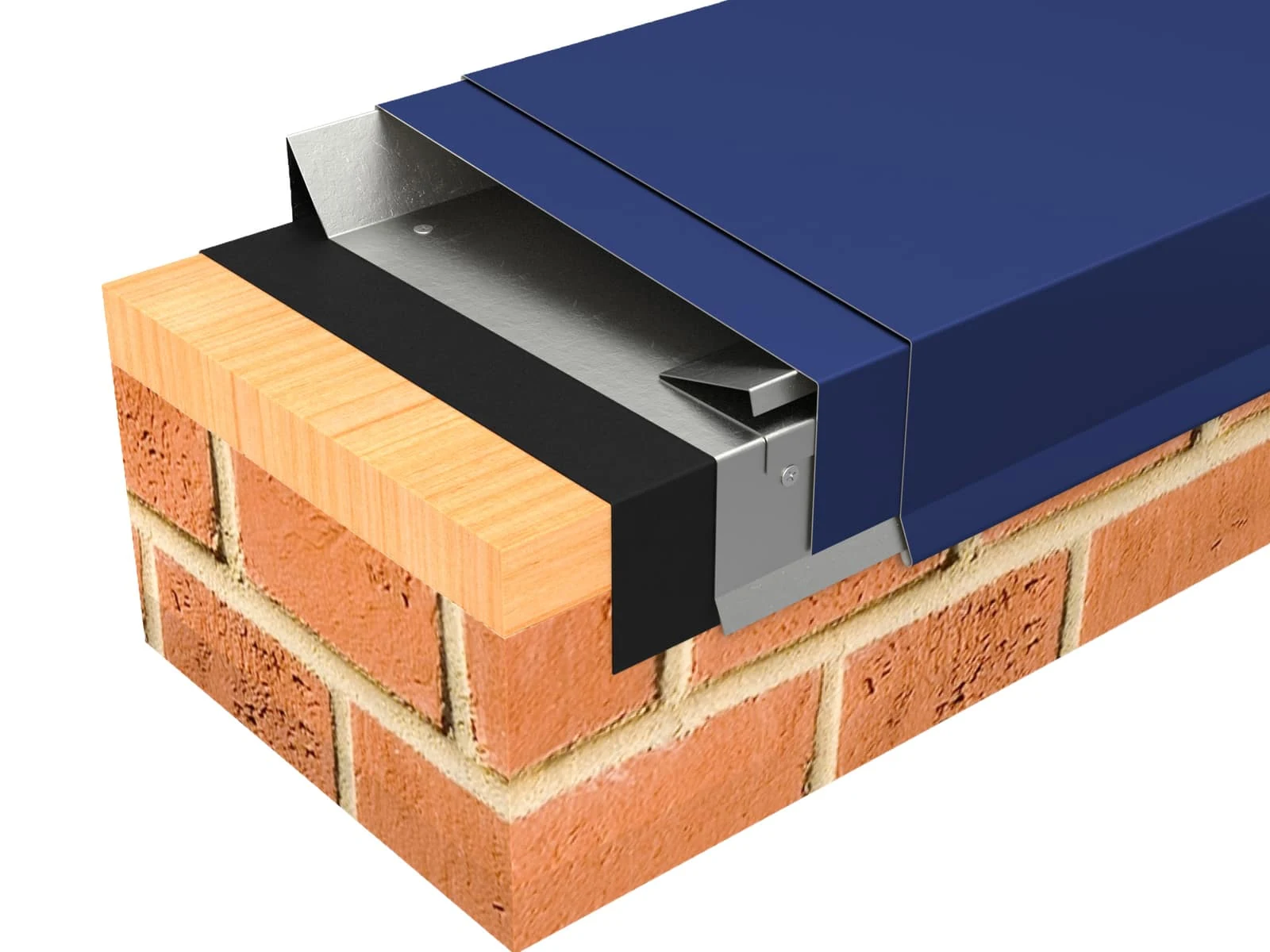
Uplift pressure concentrates at corners and edges first, which is why edge metal and perimeter fastening fail before the field of the membrane does in most wind events here. Once wind gets under a lifted edge, it can peel membrane back faster than the storm itself, turning a small perimeter failure into a much larger tear before the event even passes.
Windborne debris adds a second layer of damage, gravel, tree limbs, and loose material from neighboring properties puncturing membrane or denting edge metal. On a coast where nearly every storm brings some debris load, we check for both types of damage on every storm-related repair call.
Wind-driven rain is its own category of damage separate from structural wind loading. Water forced sideways under flashing or through a marginal seam during a storm with sustained high wind can soak insulation over a much wider area than the visible membrane damage suggests, which is part of why we always check well beyond the obvious tear or lifted section before calling an assessment complete.
What We Assess First
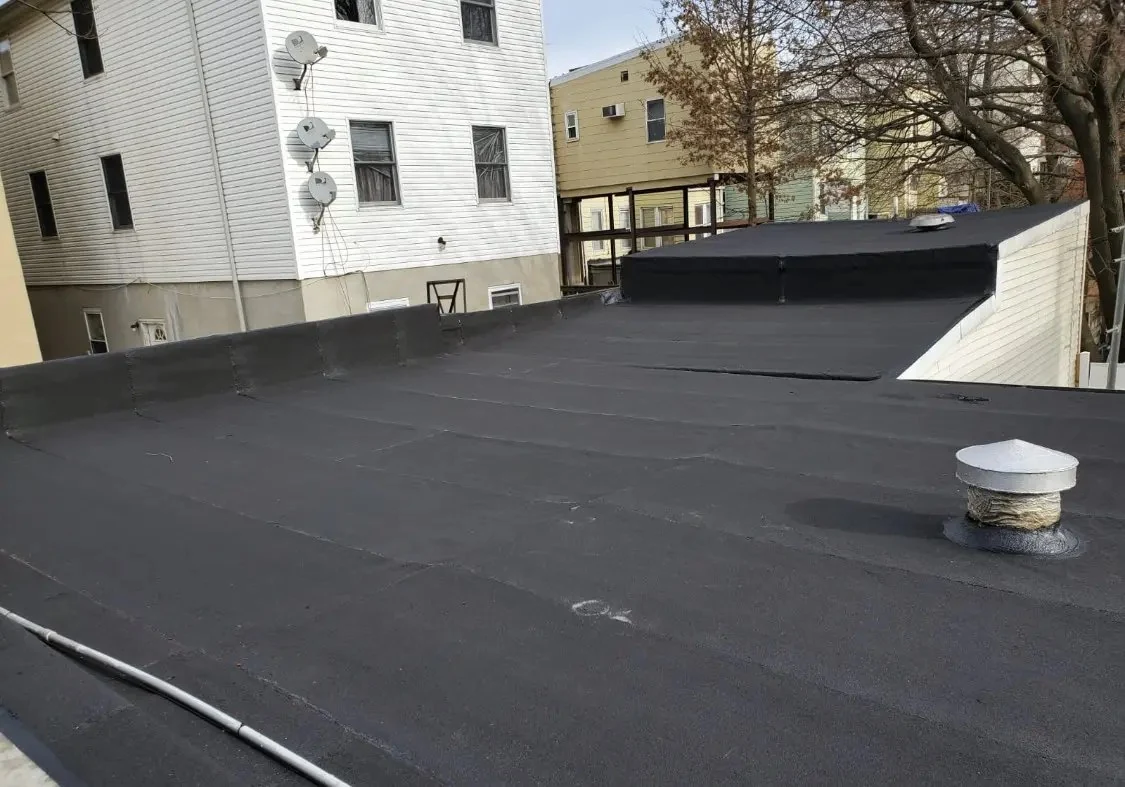
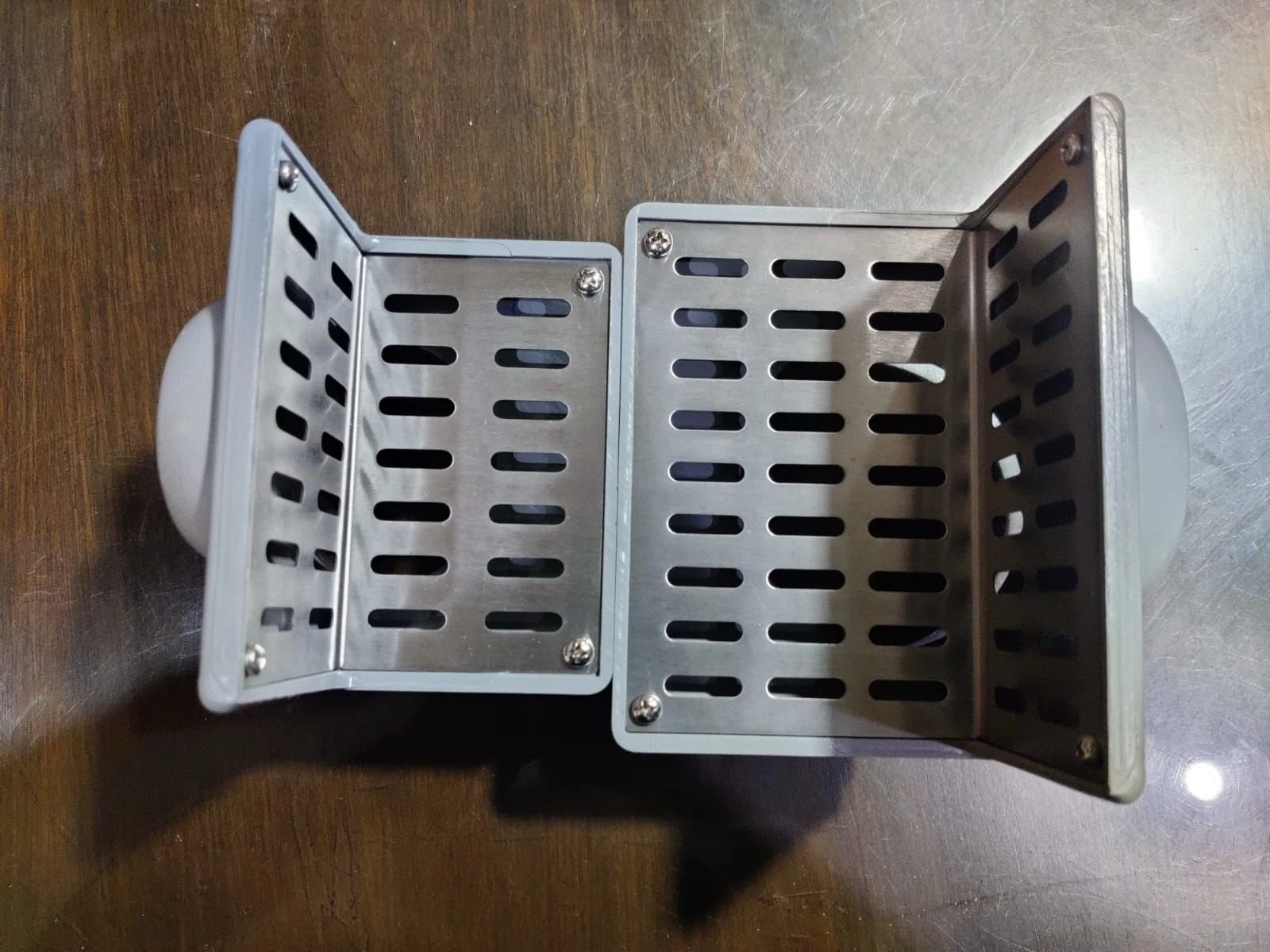
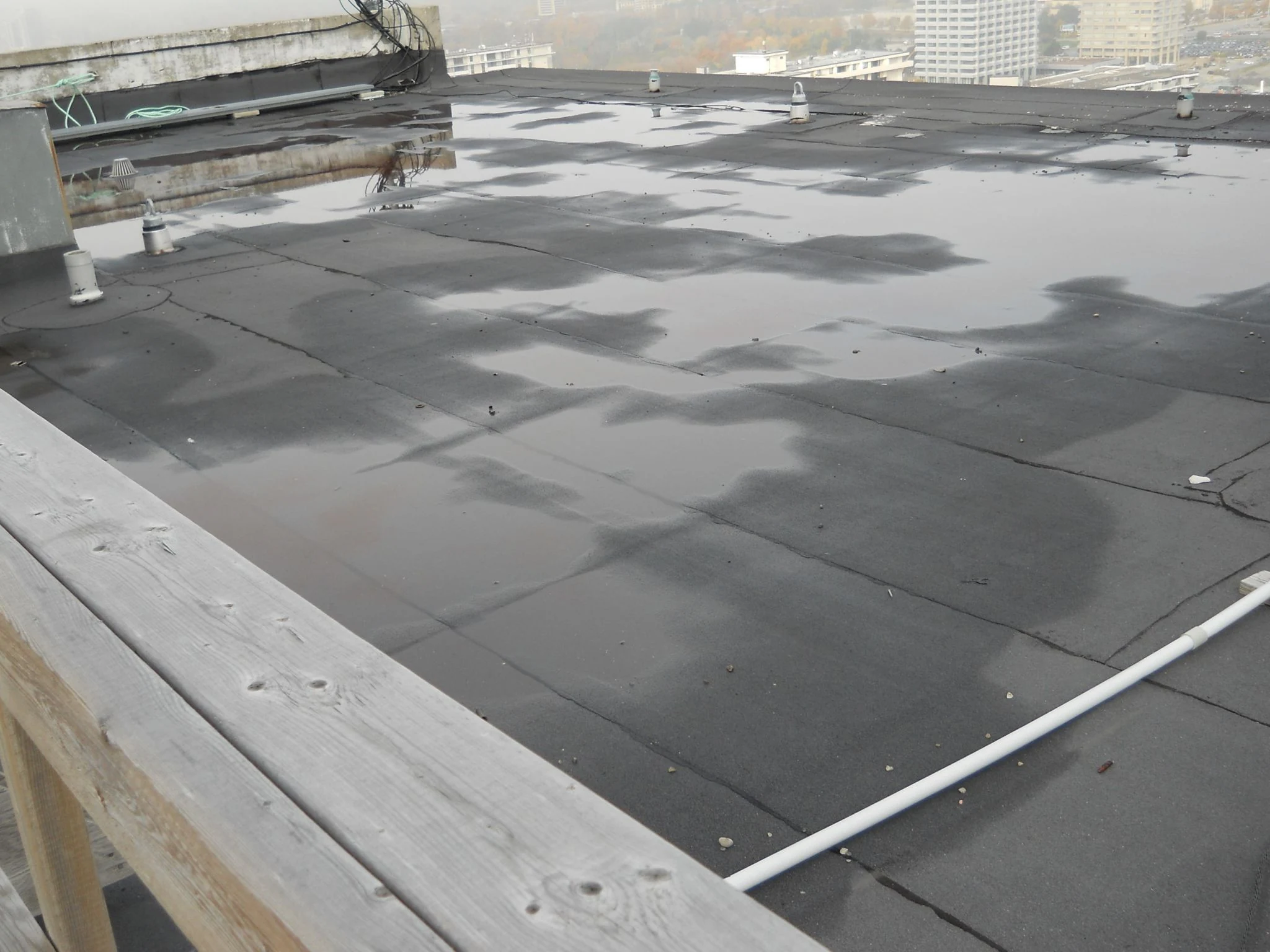
Perimeter and corner zones get checked before the field of the roof, since that's where uplift failure starts. We also check drains and scuppers for debris blockage, since a roof that survived the wind fine can still take on standing water if drainage clogged during the storm and nobody caught it in time.
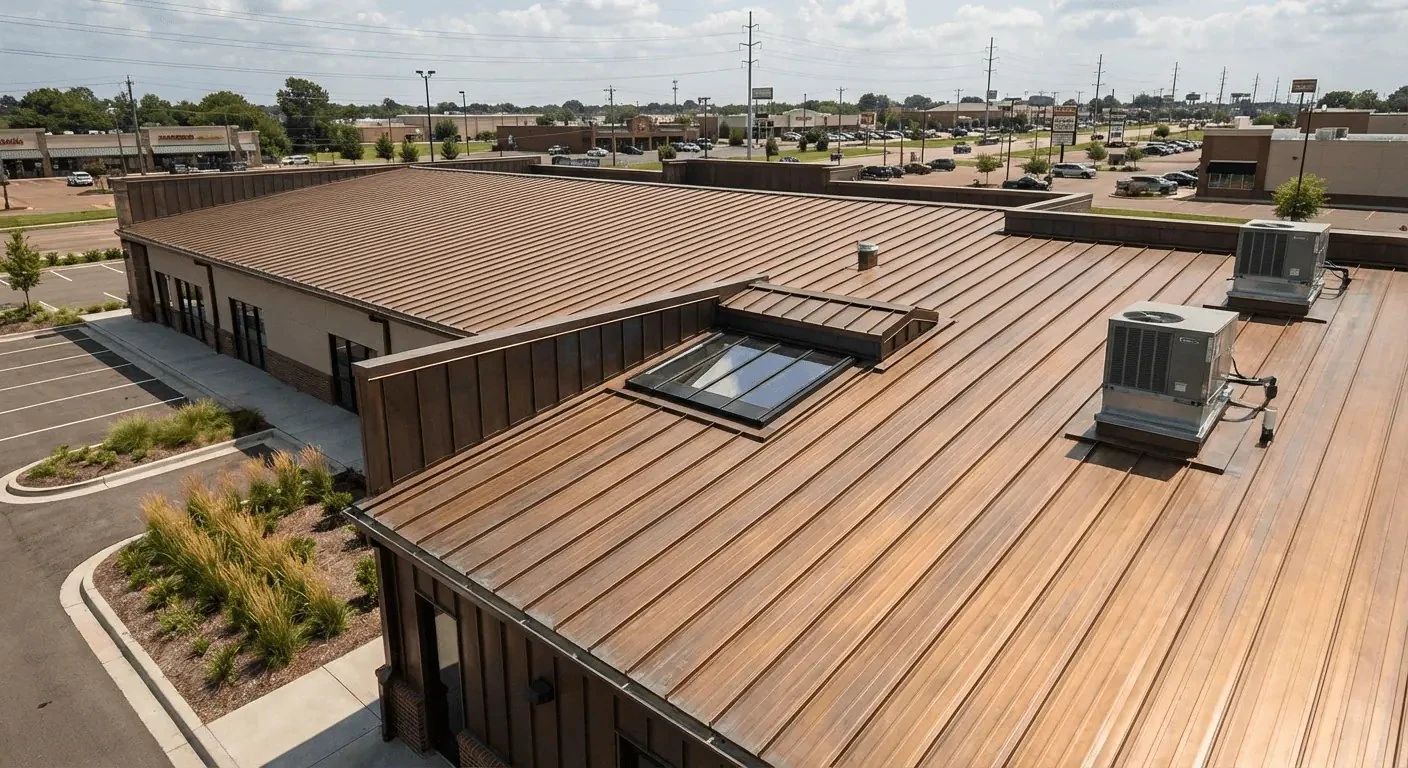
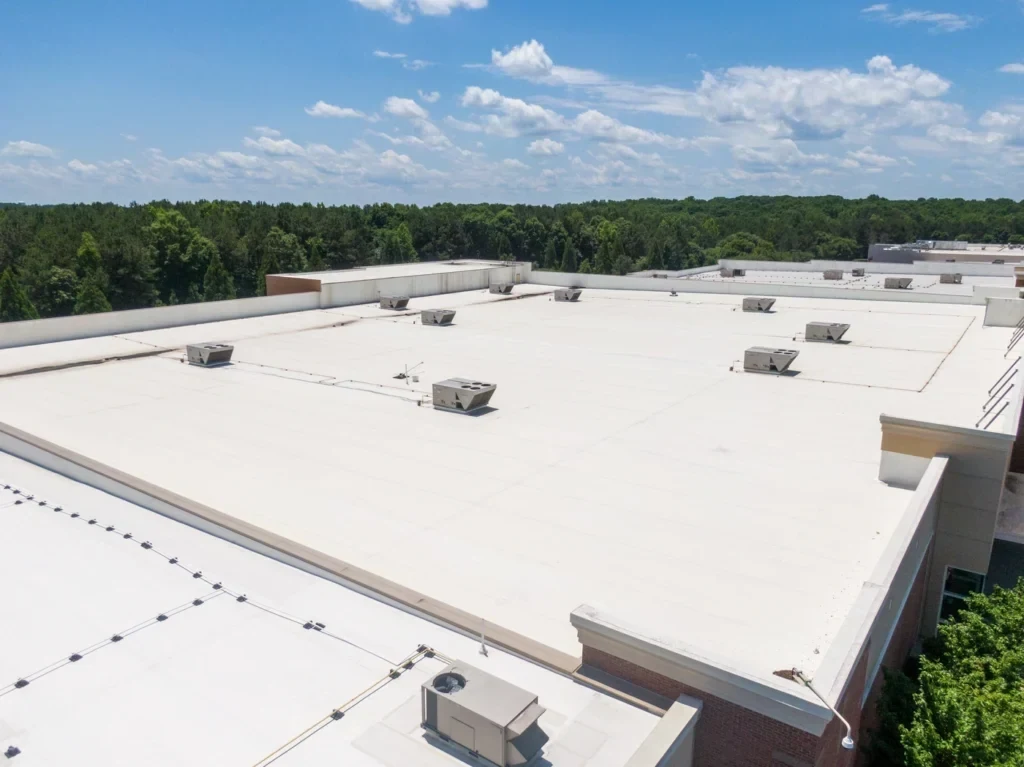
Rooftop equipment gets a structural check too, units that shifted on their curbs or lost anchoring during high wind are a repair item even if the membrane around them looks intact.
Repair Priorities After a Storm
- Stop active water intrusion first, with emergency dry-in if needed
- Re-secure or replace damaged edge metal and perimeter flashing
- Repair or replace torn or punctured membrane sections
- Clear debris from drains, scuppers, and gutters
- Re-anchor or reset shifted rooftop equipment
- Full photo documentation tied to each repair for the owner's records
Repair Versus Replacement After Significant Damage
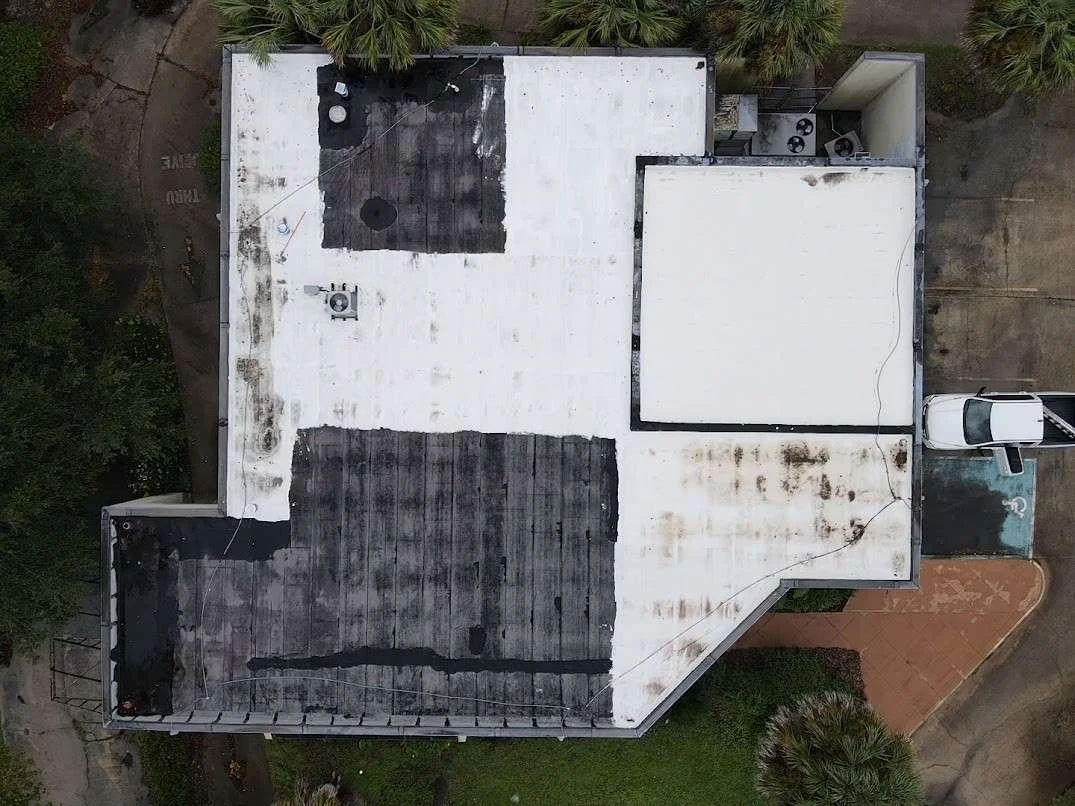
Localized wind damage on an otherwise sound roof is a repair. Widespread membrane loss, deck exposure across large areas, or damage layered on top of a roof that was already near the end of its life is a different conversation, and we tell owners directly when a storm has pushed a marginal roof past the point where repair makes sense.
We scope the actual extent of damage before recommending either path, since guessing at scope from the ground or from a partial roof walk leads to underestimating what a storm did.
Documentation for Storm-Related Repairs
Every storm repair gets photographed and logged by roof zone, with damage type and repair performed noted for each area. That record supports the owner's insurance file and gives a clear before-and-after account that holds up better than memory alone months later.
Repeated Storm Exposure Across a Single Season
Some seasons bring one significant system past the coast. Others bring two or three in a matter of weeks, and a roof that took cosmetic damage from the first storm can be genuinely compromised by the second if repairs haven't caught up in between. We track cumulative condition through an active season rather than treating each storm as an isolated event, because the roof itself doesn't reset between systems.
That's part of why we push owners toward getting repairs completed promptly after each event rather than waiting to bundle several storms' worth of damage into one visit. A gap in edge metal or a torn membrane section left open through a second storm rarely stays the same size it started at, and it usually gets worse faster than the first event alone would suggest.
Storm Damage Repair Questions
How soon after a storm should a roof be checked for damage?
As soon as conditions are safe. Damage that looks minor right after a storm can worsen quickly if water is getting under lifted membrane or edge metal with every subsequent rain.
Can wind damage be hidden even if the roof looks fine from the ground?
Yes. Perimeter and corner damage, lifted seams, and shifted equipment are often invisible from ground level. A roof-level inspection is the only reliable way to know the full extent.
Do you coordinate with insurance adjusters on storm damage claims?
We provide factual documentation of what we find, photos, damage descriptions, repair scope, that an owner or their agent can use with the adjuster. We don't represent the claim or negotiate on the owner's behalf.
What's the difference between storm damage repair and general roof repair?
Storm damage repair specifically addresses wind uplift, debris impact, and water intrusion tied to a weather event, with documentation tied directly to that event. General repair covers wear and failures unrelated to a specific storm.
Can a roof be repaired multiple times after successive storms in one season?
Yes, and it's common in an active season. We track cumulative damage across the season so repeated repairs to the same area get flagged as a sign the system may need a bigger fix rather than another patch.