Building the Documentation File Before You Need It
An insurance claim on a wind-damaged roof is decided on documentation as much as on the damage itself. We build a factual, dated record of roof condition and storm damage so owners walk into that process with real evidence, rather than a description pulled from memory.
The Evidence File We Build Before and After a Storm
We photograph damage by roof zone, note what we observe about cause where it's determinable, and keep dated records that establish a timeline, what condition the roof was in before a storm, and what changed after. On the Mississippi coast, where the Windstorm Underwriting Association and private wind carriers both weigh documentation heavily in claim review, a thin or undated record puts an owner at a real disadvantage.
We're careful about the line between documentation and advocacy. We report what we see factually. We don't estimate claim value, don't promise a claim will be approved, and don't represent an owner in negotiations with an adjuster or carrier, because that's not our role and any contractor who tells you otherwise is overpromising.
That distinction matters to us as much as it should to the owner. A contractor motivated to inflate damage findings to win a bigger repair contract isn't giving an honest account, and an honest account is what actually holds up when a claim file gets scrutinized.
Pre-Storm Documentation: The Record Owners Skip
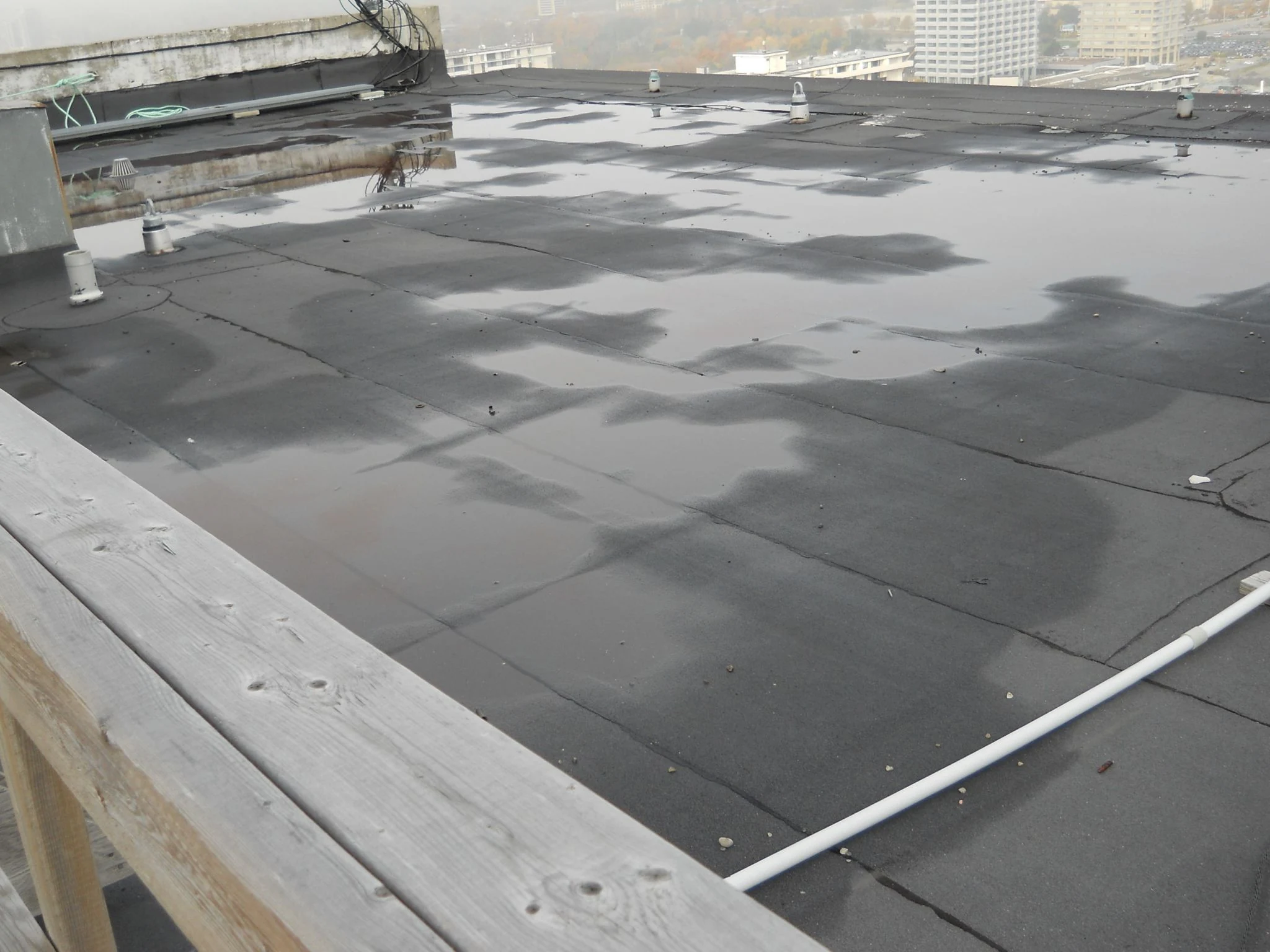
The most valuable documentation is the kind most owners don't have because they never thought to get it before a storm hit, a baseline condition record from before any damage occurred. Without that, it's much harder to separate storm-caused damage from pre-existing wear when a claim gets reviewed.
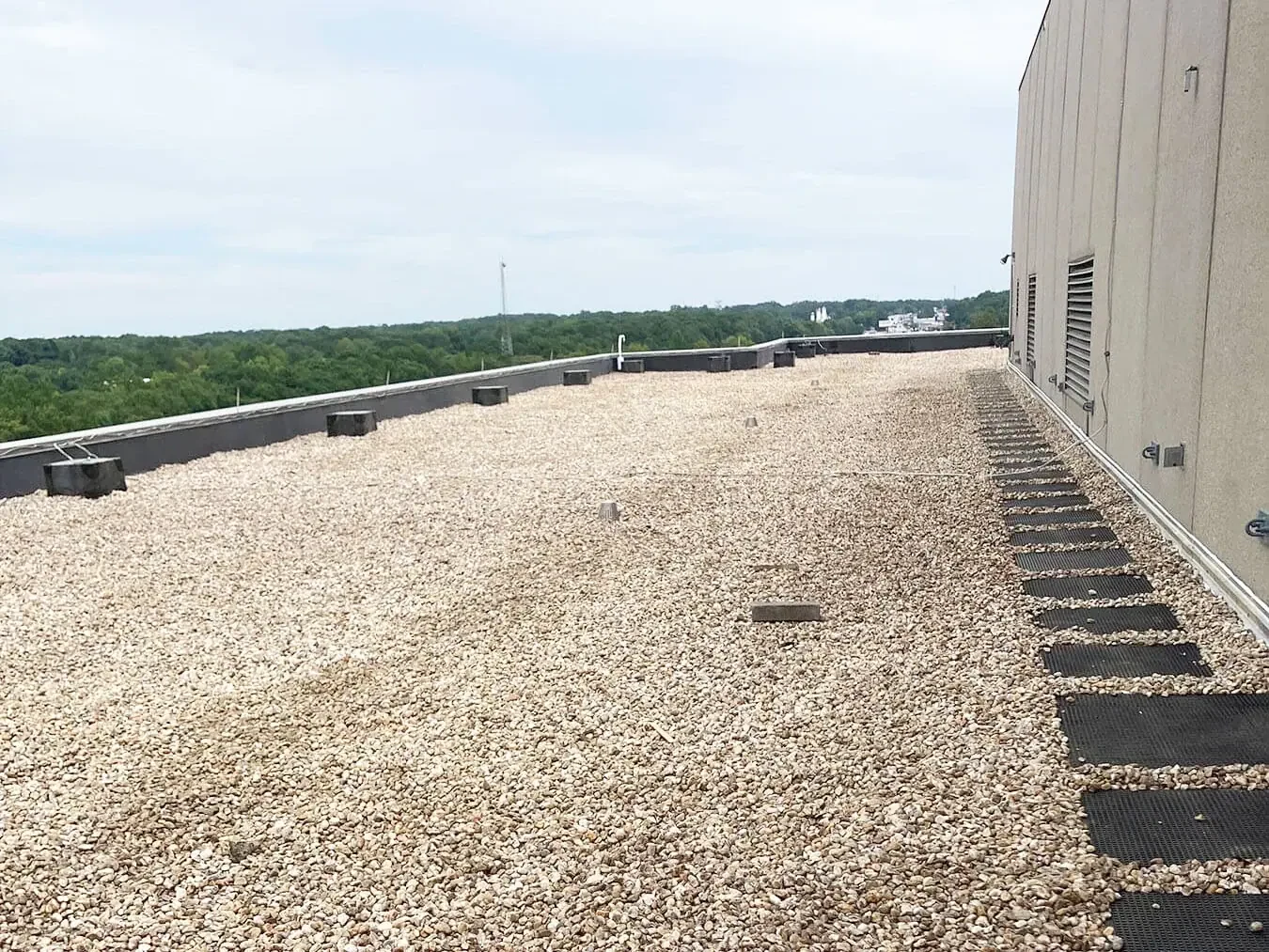
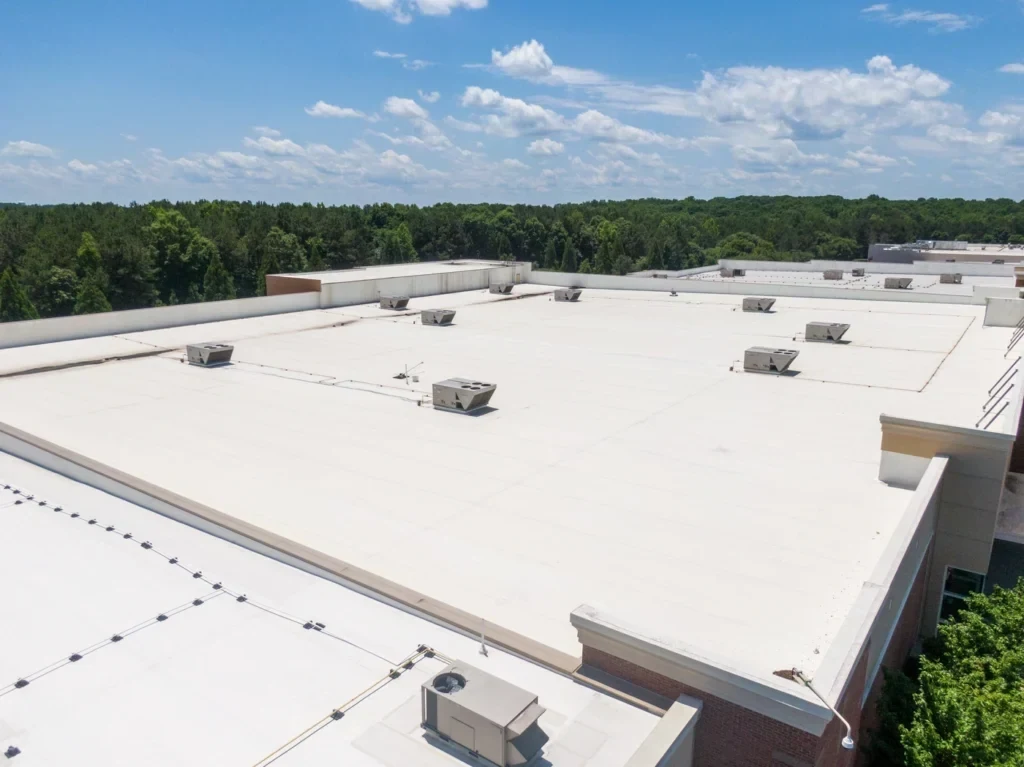
We recommend a documented pre-season inspection specifically so owners have that baseline on file, dated and photographed, well before hurricane season's first named storm even forms in the Gulf.
Owners who've been through a contested claim once tend to never skip this step again. The cost of a baseline inspection is small next to the difference it makes in a claim review when the roof's prior condition ends up in dispute after a storm.
Post-Storm Documentation That Holds Up
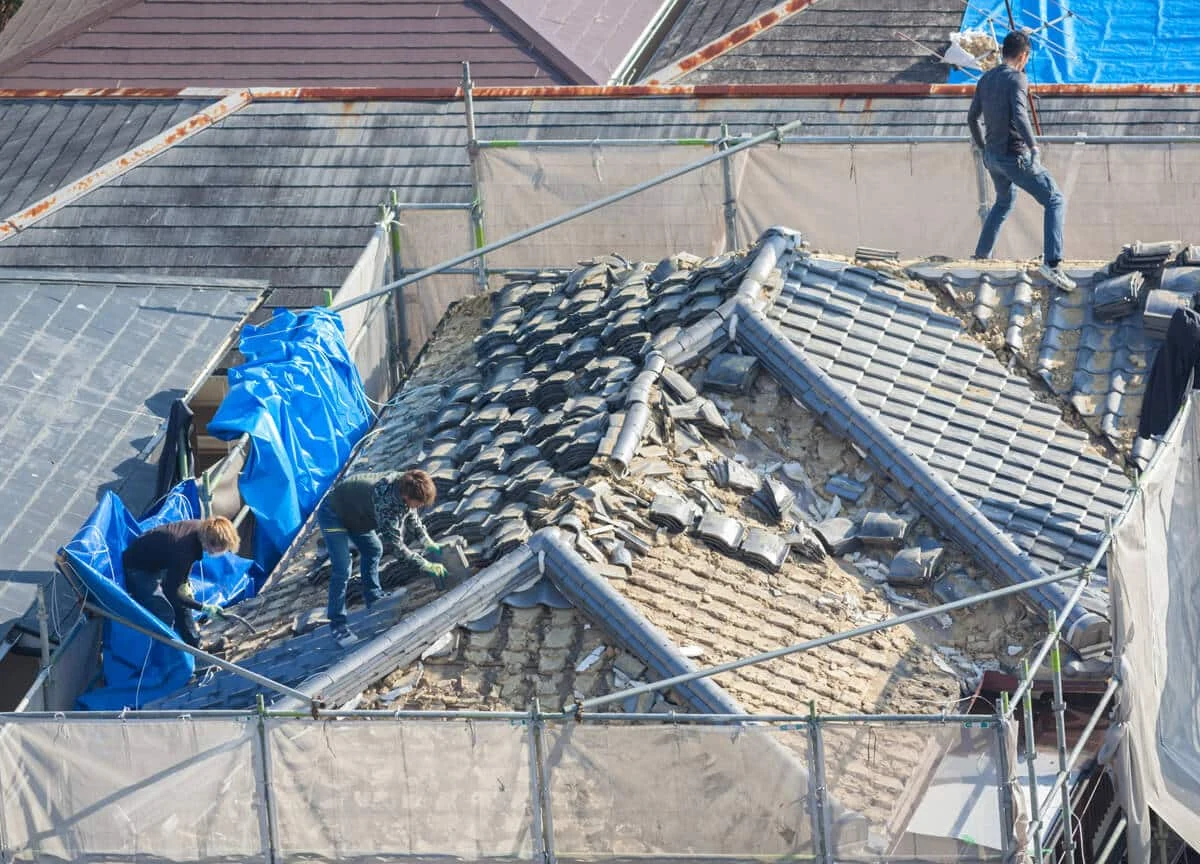
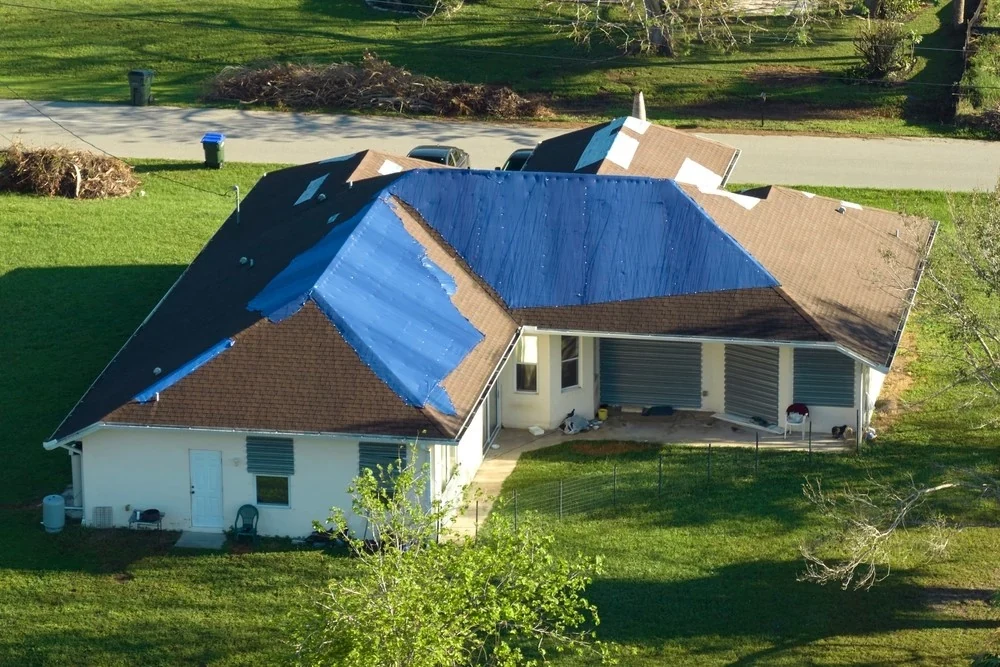
Timing matters. Damage documented within days of a storm is a stronger record than damage documented weeks later, after additional weather has moved through and altered the site. We prioritize storm-damaged buildings for prompt post-storm inspection specifically to get that window while it's still clean.
- Dated, photo-documented pre-storm baseline inspection
- Post-storm inspection scheduled as soon as safely possible
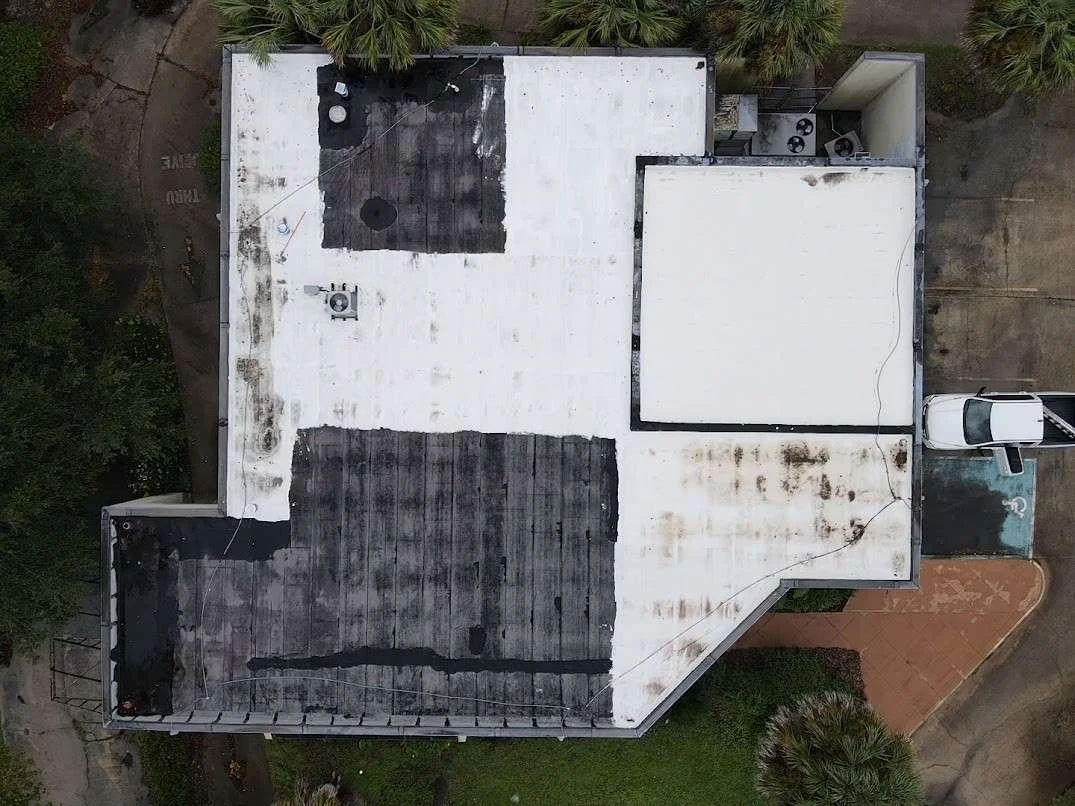
- Damage documented by roof zone with descriptive notes
- Emergency mitigation work (tarping, dry-in) documented separately as it occurs
- Organized file an owner can hand directly to their agent or adjuster
- Consistent documentation format across every visit for a clean, comparable record
Working Alongside Owners, Agents, and Adjusters
We provide our documentation directly to whoever the owner designates, their agent, a public adjuster, or the carrier's adjuster, and we're available to answer factual questions about what we observed and when. What happens after that, including how a claim is evaluated and settled, is between the owner and their insurer.
For buildings that end up needing repair or replacement regardless of claim outcome, our documentation and scope of work doubles as the basis for that repair, so the same visit serves both purposes.
The Mississippi Wind Pool Context Owners Should Understand
Coastal Mississippi properties often carry wind coverage through the Mississippi Windstorm Underwriting Association or a private wind carrier operating under similar coastal underwriting standards, separate from a standard property policy. That structure means wind and water damage from a named storm can involve more than one policy and more than one adjuster reviewing the same roof, and consistent, well-organized documentation matters even more when multiple parties are looking at the same file.
We're not insurance professionals and don't advise on coverage or policy structure. What we can do is make sure the roof-condition side of that file, the part within our expertise, is thorough enough to hold up under whatever review process the owner's specific coverage and carrier ultimately require.
Hurricane Claim Paperwork Questions
Can you guarantee our claim will be approved if we use your documentation?
No, and any contractor who tells you that isn't being straight with you. We document roof condition and storm damage factually. Claim decisions are made by the carrier based on the full file, not by us.
Do you work with public adjusters?
Yes, we provide our inspection documentation to public adjusters or any party the owner designates, and we're available to answer factual questions about our findings.
How soon after a storm should documentation begin?
As soon as it's safe to access the roof. Documentation gathered within the first few days after a storm is generally the strongest, before additional weather or repair activity changes the site.
Is pre-storm documentation worth the cost if we've never needed it before?
It's the single most useful record an owner can have going into hurricane season, precisely because you don't know in advance which storm will be the one that causes damage. A baseline inspection is far cheaper than trying to reconstruct roof condition after the fact.
What if damage is found that isn't storm-related?
We note that distinction clearly. Pre-existing wear and deterioration get documented separately from storm-caused damage, since conflating the two doesn't serve the owner well in a claim review or in planning repairs.